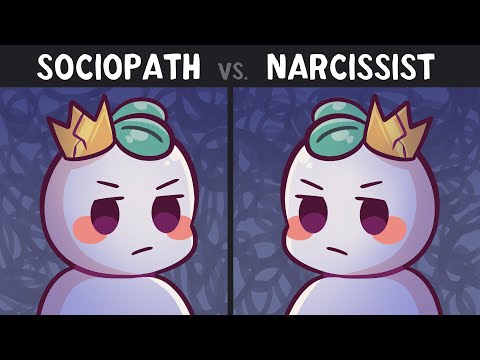
You know those people who seem charming at first but leave you feeling drained? Yeah, that’s a red flag.
Narcissistic sociopathy is a term that gets tossed around a lot. But what does it really mean?
Imagine someone who craves attention and admiration but has zero empathy for anyone else. That’s the vibe.
It can be super confusing dealing with someone like this. One minute, they’re charismatic, and the next, they’re cold as ice.
Let’s break it down together and see what really goes on in their heads. You might be surprised by what you find out!
Understanding Sociopathy: The Psychological Term You Need to Know
Understanding sociopathy can feel a bit like navigating a maze. It’s complex and often confusing, but let’s break it down, shall we?
Sociopathy, often used interchangeably with **antisocial personality disorder (ASPD)**, describes a pattern of behavior where someone consistently disregards the rights and feelings of others. Imagine someone who lies easily and feels no guilt about it. That’s a classic example. But let’s dig deeper into what this really means.
Emotional Connection is kind of absent in sociopaths. They might smile or laugh at what others find sad or distressing. Picture a friend who seems to have no empathy when you share something personal. It can feel incredibly isolating when there’s no emotional response from them.
Manipulation is another big deal with sociopaths. They can charm their way into your life, making you feel special or valued—until you realize it was all an act for their gain. Think of it as being in a movie where the main character is all smiles but has ulterior motives.
Now, let’s get into sociopathic narcissism. This blends classic narcissistic traits—like an inflated sense of self-importance—with the disregard characteristic of sociopathy. So imagine someone who believes they’re superior and goes out of their way to use people to maintain that perception—it’s like a toxic cocktail.
Here are some common traits that may help you identify these behaviors:
- Lack of empathy: Not just like not caring, but really not getting why someone else would feel hurt.
- Impulsivity: They act without thinking about the consequences; maybe they jump from job to job or relationship to relationship.
- Deceitfulness: Lying comes naturally; they often create elaborate stories to get what they want.
- Aggressive behavior: This doesn’t always mean physical violence—sometimes it’s verbal manipulation or emotional abuse.
An example might be someone who seems to thrive on conflict within friendships, always stirring the pot for entertainment while showing no remorse after things blow up.
Being around someone with these traits can be draining. You might feel manipulated or even start questioning your own reality—a phenomenon called **gaslighting** where they distort your perception until you’re second-guessing yourself.
That said, it’s essential to keep in mind that not everyone who displays some traits is a full-blown sociopath! Sometimes it’s just part of their personality mix without crossing any lines into harmful behavior.
In short, understanding sociopathy involves recognizing those patterns and knowing how they impact relationships. Living with or dealing directly with someone exhibiting these behaviors can be challenging and emotionally taxing; that’s why keeping healthy boundaries is crucial!
So if you ever find yourself in such situations, trust your instincts and don’t hesitate to seek support! After all, mental health matters, and it’s okay to prioritize yours.
Understanding Narcissistic Personality Disorder: Key Insights from the DSM Definition
Narcissistic Personality Disorder, often thrown around in casual conversations, is actually a pretty complex mental health condition. It’s listed in the DSM-5, which is like the go-to manual for mental health professionals when it comes to diagnosing different disorders. So, let’s break this down into what it really means.
First off, the DSM lays out some specific traits that help identify someone with Narcissistic Personality Disorder. You might notice these signs:
- Grandiosity: This isn’t just a healthy dose of self-esteem. People with this disorder often have an inflated sense of self-importance.
- Need for Admiration: They crave constant attention and validation from others. If they don’t get it? Well, you can imagine how that goes.
- Lack of Empathy: They struggle to understand or care about how others feel. It’s like their emotional radar is broken.
- Sensitivity to Criticism: Even the slightest negative feedback can send them into a tailspin of anger or feelings of shame.
- Exploitation of Others: They might take advantage of people to get what they want without much regard for those folks’ feelings or needs.
Now, here’s where it gets a bit heavy. Imagine growing up in an environment where love was only given based on achievement. Maybe your parents praised you for getting good grades but ignored you when you felt sad or anxious. You start to think your worth is tied to how much you accomplish or how others see you, which can kickstart those narcissistic tendencies.
It’s important to note that having a narcissistic personality isn’t as black-and-white as it sounds. Sure, people with this disorder may exhibit these traits consistently, but underlying issues like insecurity or past trauma often play a huge role too.
But hey, let’s not forget that just because someone has narcissistic traits doesn’t mean they have the disorder. The DSM emphasizes that these behaviors must be pervasive and cause significant distress in various aspects of life — work, relationships — basically everywhere.
So why does any of this matter? Understanding Narcissistic Personality Disorder can help you recognize patterns in behavior that’s harmful not just to others but also to the person themselves. Getting help through therapy can be super beneficial for breaking those cycles and moving toward healthier ways of relating to oneself and others.
In short, Narcissistic Personality Disorder isn’t just about being self-centered; it’s about deep-seated emotional struggles wrapped up in grandiosity and exploitation. And recognizing that complexity can really open doors for better understanding and healing for everyone involved.
Exploring the Connection: Can You Be a Sociopath and a Narcissist Simultaneously?
So, let’s get into it. The whole idea of being a sociopath and a narcissist at the same time is pretty interesting. First off, both terms come from the world of psychology and describe certain personality traits or disorders.
Sociopathy generally refers to Antisocial Personality Disorder (ASPD). People with ASPD often show a lack of empathy, disregard for societal norms, and sometimes engage in manipulative or impulsive behaviors. It’s like they’re playing a game where the rules just don’t apply to them.
On the flip side, narcissism, particularly in its more extreme form—Narcissistic Personality Disorder (NPD)—is all about inflated self-importance and a need for admiration. Those with NPD can be really self-centered, often lacking genuine empathy for others too. So right away, you see some overlap: both can struggle with empathy.
Now to answer your question: yes, you can totally be both a sociopath and a narcissist at once. When those two worlds collide, it creates what some might call narcissistic sociopathy. Basically, someone with this combo would not only lack understanding or concern for others but also crave attention and validation on steroids.
Here’s the thing: think about how they interact socially. A person who is both might use people to get what they want without ever feeling bad about it. Let’s say you have someone who manipulates their friends just to be seen as successful or powerful while also breaking laws without caring if it hurts anyone else.
There are some key points worth considering:
- Shared Traits: Both disorders share low empathy levels.
- Manipulative Behaviors: Both may exploit or manipulate others but for different reasons.
- Attention-Seeking: Narcissists crave admiration; sociopaths might look for control or thrill.
If you have someone who is both narcissistic and sociopathic, they can be particularly dangerous in relationships and social structures because they’ll lack emotional depth but still know how folks tick well enough to use that knowledge against them.
It’s worth noting that diagnosing these conditions should only fall on mental health professionals who can assess everything over time rather than jumping to conclusions after just one meeting over coffee.
And while it’s tempting to label people we know as «sociopaths» or «narcissists» based on their actions, remember that everyone has their own story and struggles that shape their behavior—even if those struggles seem pretty toxic from where we stand.
In short, blending sociopathy with narcissism creates a unique cocktail of traits where manipulation meets grandiosity. So yeah, this combo isn’t great news for anyone involved. Just something to keep in mind when thinking about these complex personalities!
Alright, let’s chat about something that can be super tricky to wrap your head around: narcissistic sociopathy. It sounds pretty intense, huh? So, when you hear those terms, it kinda makes you think about people who are really self-centered and lack empathy. But there’s more to it.
Narcissism on its own means someone has an inflated sense of self-importance. They’re often focused on their own needs and feelings, which can make them come off as arrogant or entitled. Now throw in sociopathy—this is where things get a bit darker. Sociopathy refers to behaviors like lying, manipulating others, and having little-to-no regard for social norms or the feelings of others.
So when these two come together, you might picture someone who not only craves admiration but also doesn’t care how they get it—like using or hurting others without batting an eye. Think of it this way: imagine a person who charms everyone at a party (narcissistic traits) but leaves behind a trail of broken relationships because they just don’t get how their actions affect anyone else (sociopathic tendencies). It’s like having the worst mix of showmanship and disregard for human connection.
I remember this one friend I had back in college. He was smart, charismatic—you know the type? Everybody loved him at first. But over time, I saw him twist situations to make himself look better while stepping on others’ feelings. At first, I thought it was just a rough edge or arrogance. But as things went further, I realized he didn’t just lack empathy; he seemed genuinely unconcerned about how his actions affected all of us. There’s really nothing fun about realizing someone you trusted operates in that grey area between charm and cruelty.
In psychological terms, this kind of behavior isn’t just annoying; it can be harmful both for the person displaying these traits and the people around them. Relationships can become toxic very quickly when manipulation becomes part of the equation.
So yeah, narcissistic sociopathy is complex but pretty important to understand—we all deserve healthy relationships with people who actually care about us!