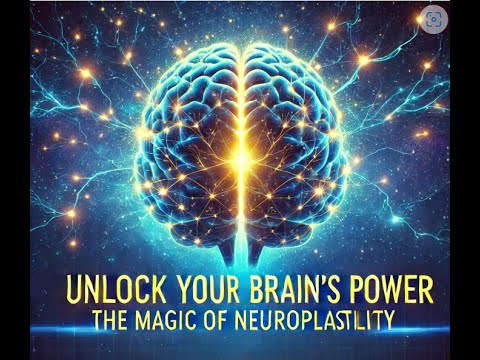
Hey, have you ever thought about how your brain works? It’s kind of wild, right? Like this squishy organ in your head that can actually change and adapt? That’s what neuroplasticity is all about.
Picture this: you’re learning a new skill or trying to break a bad habit. Your brain’s wiring is literally adjusting to help you out. It’s like giving your old habits an upgrade!
And honestly, it’s super empowering to know that we’re not stuck with the brains we have. We can reshape them! So, grab a comfy spot and let’s dig into this whole neuroplasticity thing. It might just blow your mind!
Understanding Neuroplasticity: How the Brain Adapts and Transforms
Neuroplasticity, huh? It’s like the brain’s superpower. Basically, neuroplasticity refers to the brain’s ability to change and adapt throughout your life. This means your brain isn’t just this fixed structure; it can actually reorganize itself in response to new experiences, learning, and even injuries.
So how does this work? Well, when you learn something new or practice a skill, your brain creates and strengthens connections between neurons—those are the tiny nerve cells that send messages throughout your body. Think of it like building new roads or highways in a city. The more you use those roads (or neurons), the stronger they get.
It’s not just about learning a language or playing an instrument either. Neuroplasticity plays a huge role in recovery from injury or trauma as well. For instance, if someone has a stroke and loses some motor functions, their brain can sometimes create new pathways to help regain those abilities over time. It’s pretty remarkable when you think about it!
Here are some key points about neuroplasticity:
- Experience Shapes Your Brain: Every time you try something new—like cooking a different recipe or mastering a new hobby—you’re literally reshaping your neural connections.
- Age Doesn’t Matter: Sure, younger brains tend to be more adaptable, but that doesn’t mean older adults can’t learn! Neuroplasticity occurs at all ages.
- Mental Health Benefits: Engaging in mindfulness practices and cognitive therapy can promote positive changes in brain structure and function.
Now picture someone who struggles with anxiety. Therapy is often used to help them rewire their thoughts and responses to stressors. This way, over time, they might develop healthier patterns of thinking and reacting.
Also worth mentioning is the impact of repetition. The more you repeat an action or thought pattern, the more efficient those neural pathways become. That’s why athletes train for hours: they’re literally enhancing their brain’s ability to perform better by creating stronger connections linked to their physical skills.
The thing is: neuroplasticity shows us that we have a bit of control over our minds and how we respond to life’s challenges. You see? Your brain can actually adapt based on what you do—or don’t do!
So remember this: every small change you make—whether it’s learning something new or practicing self-care—can lead to significant transformations in your mental landscape over time. How cool is that?
Unlocking the Mind: The 4 Key Principles of Neuroplasticity Explained
Neuroplasticity is like the brain’s superpower. It’s all about how your brain can change and adapt based on what you do, think, and experience. Seriously, it’s pretty wild how flexible our brains are! There are some key principles that explain how this whole process works. Here’s a closer look.
1. Experience Shapes the Brain
Your brain is shaped by your experiences. Every time you learn something new or face a challenge, your neural connections get stronger or weaker. Imagine picking up a new skill, like playing guitar. At first, it feels clumsy—your fingers fumble around those strings. But over time, with practice, your brain rewires itself to make it easier to play those notes smoothly.
2. Neurons That Fire Together, Wire Together
This principle means that when neurons are activated together repeatedly, they form strong connections. Think of it like building a path in a forest: the more you walk down that path, the clearer and easier it is to navigate next time. If you’re constantly practicing mindfulness or meditation, those neurons associated with calmness and focus become well-connected over time.
3. The Brain’s Capacity for Change
Your brain can adapt at any age! While we often think that kids have the biggest plasticity because they’re learning so much all the time, adults can also make significant changes in their brains—sometimes even after major injuries or trauma. For example, let’s say someone suffers a stroke; they may regain lost skills through physical therapy because their brains can create new pathways to compensate for damaged areas.
4. The Importance of Repetition and Practice
Repetition is key in reinforcing those newly formed connections. Just like working out your muscles—doing one push-up isn’t going to build strength—you need consistent practice to strengthen those neural pathways effectively. So if you want to learn Spanish or improve your cooking skills? Keep at it! Your brain will adapt and improve over time.
Basically, neuroplasticity is about growth and adaptation throughout our lives; it’s empowering to know that we have this ability within us! Whether you’re trying to conquer an anxiety disorder or just want to pick up a new hobby, remember that your brain has got your back—it’s ready to change with you!
Understanding Neuroplasticity: How the Brain Adapts and Changes Over Time
Neuroplasticity is, like, one of the coolest things about our brains. Basically, it’s the brain’s ability to change and adapt throughout your life. Imagine this: your brain isn’t some static machine that just gets old and rusty; it’s more like a flexible rubber band that can stretch and reshape itself based on experiences.
So, what does neuroplasticity really mean for you? Well, it means that every time you learn something new or have a new experience, your brain is actually reconfiguring itself. That can sound a bit science-y, but it’s real! Your neurons (those little cells in your brain) are constantly forming new connections. And if you think about it, that’s pretty amazing.
Types of Neuroplasticity
When I was learning to play guitar back in high school, I struggled at first. My fingers felt clumsy on the strings, and my brain seemed to betray me with some crazy coordination issues! But after weeks—okay maybe months—of practice, I could feel my fingers getting faster and more precise. It was all about those neural pathways growing stronger through repetition.
You know how when you start working out at the gym, at first it feels impossible? But then after a while, your body adjusts? It’s kind of similar with our brains! They thrive on challenges. The more you push them with new skills or knowledge—like learning a language or mastering new software—the more they adapt.
Why Neuroplasticity is Important
This flexibility doesn’t just matter for learning; it also plays a huge role in recovery from injuries or coping with mental health conditions like depression and anxiety. For instance:
There was this guy I read about who suffered head trauma from an accident. The doctors were pretty concerned he might not regain full function of his arm again. But through therapy—and yes lots of hard work—he managed to retrain his neurons until he could move his arm again! Mind-blowing stuff!
How To Harness Neuroplasticity
You might be thinking: «Okay cool, but how do I actually use this magic?» Well, here are some ways:
So yeah—you’ve got this incredible power within you thanks to neuroplasticity. Whether you’re trying to learn something new or recover from an injury—the potential for growth is super real! And remember—it’s not just about what happens today; it’s about how those changes build up over time into something really special.
So, let’s chat about neuroplasticity. It’s this pretty amazing thing where our brains can actually change and adapt over time. I mean, like, think about it: your brain is not just some rigid, hardwired machine. It’s more like a big squishy sponge that can soak up new experiences and learn new stuff.
I remember a time when my buddy Sam decided to pick up guitar after years of saying he’d never be able to play it. At first, he struggled like crazy—fingers fumbling, chords sounding all wrong. But slowly but surely, he stuck with it. And guess what? His brain was rewiring itself to help him play better. It was wild to see him go from major frustration to jamming out some sweet tunes.
That’s how neuroplasticity works! When you learn something new or practice a skill, your brain builds new connections between neurons—basically the brain cells that send messages to each other. It’s like forming new paths in a forest; the more you walk those paths, the clearer they become.
It isn’t just about learning skills either; neuroplasticity plays a huge role when people are recovering from injuries or dealing with mental health issues. For example, someone who has had a stroke can often regain abilities by re-learning them because their brain finds alternative routes for processing info.
But here’s the kicker: not all brain changes are positive. Stress and trauma can also reshape how our brains function—sometimes in unhealthy ways. That’s why focusing on building positive habits is important; they reinforce those good pathways we want in our lives.
Sometimes life throws us curveballs that make things feel overwhelming or impossible to change. But knowing that our brains are capable of adapting gives a glimmer of hope! Whether it’s tackling anxiety or picking up a new hobby, your brain is ready and willing to change along with you—that is if you give it the chance!