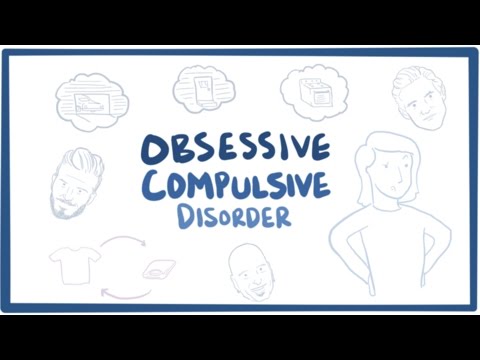
You know those thoughts that just loop in your mind? The ones you can’t shake off, no matter how hard you try? Yeah, those are obsessive thoughts.
They can feel overwhelming, like a song stuck on repeat. And let me tell you, they don’t just pop up for fun. They’re often part of something bigger.
So, why do they happen? What do they even mean in the mental health world? Well, let’s chat about it. There’s a lot to unpack here!
Understanding Obsessive Thoughts: Causes, Symptoms, and Coping Strategies
Obsessive thoughts can be really challenging to deal with, you know? They’re those pesky ideas that just won’t leave your mind. It’s like that annoying song stuck in your head, but way more intense. Let’s break down what these thoughts are all about, including their causes, symptoms, and how you might cope with them.
What are Obsessive Thoughts?
In mental health terms, obsessive thoughts are recurring and persistent ideas or impulses that often cause significant anxiety. Imagine a heavy weight sitting on your chest, making it hard to breathe or focus on anything else. You might find yourself fixating on fears—like worrying if you left the stove on or feeling dirty after touching something.
Causes of Obsessive Thoughts
So why do these thoughts happen? Well, there’s no one-size-fits-all answer. A few common causes include:
- Genetics: Sometimes it’s in your DNA. If someone in your family has struggled with obsessive-compulsive disorder (OCD), you might be at higher risk.
- Chemistry: Imbalances in brain chemicals like serotonin can contribute to those racing thoughts.
- Trauma: Experiencing traumatic events might lead to obsessive thinking as a way of coping.
- Anxiety Disorders: Often, people with anxiety disorders may find themselves battling these relentless thoughts.
It’s important to remember that everyone’s experience is different. What triggers one person may not bother another at all.
Symptoms You Might Notice
Recognizing obsessive thoughts can sometimes feel tricky. Here are some symptoms you might notice:
- Persistent Worry: You can’t shake off the nagging feeling that something bad will happen.
- Avoidance Behavior: You start dodging situations or things that trigger those intrusive thoughts.
- Irrational Fear: Fearing something catastrophic without any real evidence to support it.
- Nervous Rituals: Performing certain actions or routines repeatedly because it feels necessary to ward off anxiety.
Think about a friend who constantly checks their locks when they leave home; their mind is racing with fears of a break-in.
Coping Strategies
Now for the good part—how can you deal with these annoying thoughts? Here are some strategies:
- Meditation and Mindfulness: Taking time to sit quietly can help ground you and lessen anxiety.
- Talk it Out: Sharing what you’re experiencing with a friend or therapist can lighten the load. Seriously, don’t underestimate the power of a good chat!
- Cognitive Behavioral Therapy (CBT): This approach helps challenge irrational beliefs and reframe negative thinking patterns.
- Scheduling “Worry Time:” Instead of letting worries take over your day, set aside specific times to think about them—and then move on!
You know, there was this one time I had a friend who would get obsessed about whether she locked her car. She started giving herself five minutes each day just for those worries—after that time was up, she’d push them aside and focus on her life instead!
So there you have it! Understanding obsessive thoughts is all about recognizing what they are and how they affect you—or someone close to you. The journey might not be easy, but knowing you’re not alone and that there are ways to cope makes a world of difference!
Understanding Obsessions: Insights into Mental Health and Their Impact
Obsessive thoughts can be tricky stuff. They pop into your mind uninvited and, more often than not, they’re like that one annoying friend who just won’t take the hint. They stick around, right? So let’s break it down a bit.
What exactly are obsessive thoughts? Well, they’re persistent ideas or worries that keep circling in your head. You might try to push them away, but they have this knack for coming back. It’s like trying to stop a song from playing when it’s stuck on repeat. Seriously frustrating, huh?
Now, these thoughts are often part of a larger condition called Obsessive-Compulsive Disorder (OCD). But not all obsessions lead to compulsions; some people just experience the thoughts without the need to act on them. For instance, you might obsessively worry about leaving the stove on even if you checked it multiple times. That worry just lingers.
How do these thoughts affect you? They can seriously mess with your life. You might find yourself spending hours dwelling on these ideas instead of enjoying time with friends or getting work done. Eventually, it can lead to anxiety or stress—like feeling a tight knot in your stomach that just won’t go away.
It’s also important to understand why these thoughts happen in the first place. Sometimes they stem from underlying anxiety or stressors in your life—like relationship issues or work pressures. Other times, they can be tied to past experiences that made a big impression on you.
So what’s the good news? You aren’t alone. Many people struggle with obsessive thoughts at some point in their lives. It’s totally okay to seek help if it gets overwhelming! Therapy approaches like Cognitive-Behavioral Therapy (CBT) can really help you challenge and change those pesky thought patterns that seem impossible to shake off.
Okay, but what about medication? Some folks find that medications like SSRIs—think of them as mood helpers—can ease the burden of those obsessive thoughts too. Just keep in mind that this isn’t a one-size-fits-all thing; what works for one person might not work for another.
In short, understanding obsessional thoughts is super important for mental health. They can impact daily life more than we realize and can be tackled effectively with the right support and strategies in place. So if you’re feeling overwhelmed by those relentless ideas swirling around your brain, reach out! There’s help out there waiting for you—it doesn’t have to be a solo battle!
Understanding the DSM-5 Definition of Obsessive-Compulsive Disorder: Key Insights and Implications
Obsessive-Compulsive Disorder, or OCD, is more than just being a neat freak or wanting things to be “just right.” According to the DSM-5, which is like the handbook for mental health professionals, OCD is a mental health condition that centers around the presence of obsessions and compulsions. So, let’s break that down and understand what it really means.
Obsessions are these unwanted and intrusive thoughts. They can come out of nowhere, popping into your mind and making you feel anxious or distressed. Imagine you’re constantly worried about harming someone accidentally. Even if it’s a random thought, it can feel super real and overwhelming.
Then we’ve got compulsions. These are the behaviors that people feel driven to perform in response to those obsessive thoughts. It’s like trying to get rid of the anxiety those obsessions cause. For example, someone might wash their hands repeatedly because they’re terrified of germs. It’s not just about being clean; it’s about managing that intense worry.
According to the DSM-5 criteria, for someone to be diagnosed with OCD, their obsessions or compulsions need to take up a significant amount of time—often more than an hour each day—and they should interfere with daily functioning. You might find it hard to go to work or school because you’re stuck in a cycle of checking locks or organizing things in a certain way.
Let’s highlight some key insights:
- Severity: The severity can vary widely among individuals. Some people have mild symptoms that don’t greatly impact their lives, while others may struggle deeply.
- Age of Onset: OCD can start at different times in life—childhood, adolescence, or adulthood. It’s not limited to any specific age group.
- Cultural Factors: Cultural backgrounds can play a role in how OCD manifests and is perceived. What seems compulsive in one culture might be viewed as normal behavior in another.
It’s also interesting to note that many folks with OCD know their obsessions aren’t true—they get that these thoughts are irrational—but that doesn’t make them go away! This understanding can lead to feelings of guilt or shame.
Now think about what this means for mental health treatment: addressing both components—obsessions and compulsions—is crucial! Therapy options like cognitive-behavioral therapy (CBT) specifically focus on altering those pesky thoughts while supporting healthier coping mechanisms. Medications may also help balance brain chemistry, making it easier for individuals working through their symptoms.
So basically, understanding OCD through the DSM-5 isn’t just about labeling someone; it’s about recognizing the distressing experience behind those thoughts and behaviors—helping shape supportive strategies and paths toward healing.
Obsessive thoughts can really mess with your head, right? You know, it’s like having a song stuck on repeat that you just can’t shake. Sometimes, they pop up outta nowhere and take over your brain. You find yourself thinking about the same thing over and over again, and it can feel so exhausting.
I remember a friend of mine who constantly worried about locking her doors. She’d check them like five times before leaving the house. It was never just a quick glance; it was this whole ritual. And even after she locked them, she’d still drive away feeling anxious, wondering if she’d left something unlocked. That feeling can be so frustrating! Because on some level, she knew she had locked the door. But the thought of “What if?” would haunt her for hours.
Obsessive thoughts often pop up in conditions like OCD (Obsessive-Compulsive Disorder), but that doesn’t mean everyone who has them has OCD. The thing is, these thoughts are usually intrusive and unwanted—like an uninvited guest you can’t seem to get rid of. They might involve fears about harm coming to yourself or others, or maybe it’s doubts about whether you’re doing something right.
It’s interesting how our brains work, really. Those obsessive thoughts aren’t just annoying; they could be linked to deeper feelings or insecurities we carry around—kind of like shadows that follow us without us even realizing it sometimes.
You might think it’s all in your head—but these thought patterns can affect your daily life big time! Sometimes they lead to compulsive behaviors as a way to try to manage the anxiety those thoughts create—like washing your hands repeatedly or checking if things are safe.
So when we talk about obsessive thoughts in mental health contexts, it’s important to remember that everyone experiences some form of obsessive thinking at times—even if it’s not clinically significant. But when these thoughts become overwhelming and interfere with life? That’s where reaching out for help becomes essential.
If you find yourself stuck in that cycle of obsessive thinking, know you’re not alone—and there are ways to break free from it! Talking with a therapist can help you understand those patterns better and find healthier ways to cope with whatever’s going on in your mind. It’s all part of figuring out how to take back control—not letting those pesky thoughts control you!