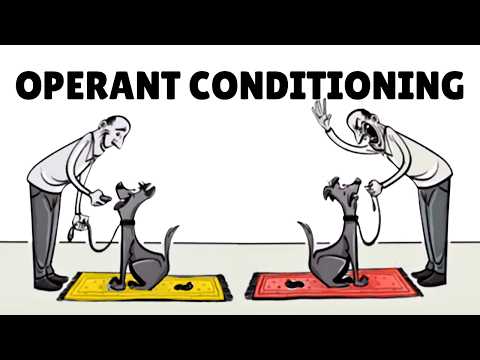
So, have you ever wondered why you do the things you do? Like, why you might reach for that second slice of pizza even when you know you shouldn’t? Or why getting a compliment makes your day? That’s kinda where operant conditioning comes in.
It’s one of those fancy psychology terms, but don’t let that scare you off. Basically, it’s all about how we learn from the stuff that happens around us. Good things happen? You do it again. Bad stuff? Well, not so much.
Think about it—every time your friend praises your cooking, you’re more likely to whip up another dish. It’s all about those little rewards and consequences shaping our choices. Cool, right?
Let’s dig into this idea a bit more and see how it works in real life and mental health!
Understanding the 5 Principles of Operant Conditioning in Psychology
Operant conditioning is kind of a big deal in psychology. It’s all about how we learn from our actions and the consequences that follow. So, if you’ve ever wondered why you keep doing certain things or avoid others, this is totally relevant to you.
1. Positive Reinforcement: This is when you get something good after a behavior, which makes you want to do that thing again. Think about a kid getting a cookie for finishing their homework. The cookie is the reward, and it encourages the kid to keep working hard.
2. Negative Reinforcement: Sounds tricky, right? But it’s really just about removing something unpleasant after a behavior. Like if you take painkillers after a headache goes away. You’re more likely to take painkillers again in the future because they helped relieve your discomfort.
3. Punishment: This is where things get a bit harsh. Punishment aims to decrease unwanted behaviors by adding an unpleasant consequence or taking away something pleasant. For example, if a teenager loses phone privileges for staying out late, they might think twice before breaking curfew next time.
4. Extinction: This happens when a behavior that was once reinforced stops being rewarded over time until it just fades away completely. Imagine if that kid who got cookies for homework suddenly stops getting them—eventually, they might stop doing their homework altogether because there’s no longer any incentive.
5. Schedules of Reinforcement: How often you get the rewards or punishments matters too! There are different ways this can happen, like fixed (a reward after every five times) or variable (like playing slot machines). Variable reinforcement often keeps people hooked because they never know when they’ll get that next payoff!
So there you have it! Operant conditioning really shapes our behaviors in so many ways—from parenting strategies to even how we approach mental health treatment therapies today! It’s pretty fascinating stuff when you peek behind the curtain of your own actions and habits.
Understanding Operant Conditioning: Key Definitions and Concepts Explained
Operant conditioning is one of those fancy terms in psychology that, at its core, is pretty straightforward. Basically, it’s all about how behaviors change based on their consequences. When you think about it, it’s kinda like life’s little rewards and punishments shaping us.
So here’s the thing: operant conditioning was popularized by B.F. Skinner, a psychologist who really wanted to understand how behavior can be influenced. He showed that if you follow a behavior with a reward, you’re more likely to see that behavior again. If there’s a punishment involved? Well, chances are that behavior will fade away.
Key Concepts:
- Reinforcement: This is when something good happens after a behavior, making it more likely to happen again. For example, if your dog gets a treat for sitting, they’ll sit more often!
- Positive Reinforcement: Adding something desirable after the behavior. It’s like giving high-fives for kids who clean their rooms.
- Negative Reinforcement: Taking away something unpleasant to encourage a behavior. Imagine your alarm clock; when you get up and turn it off, the annoying sound stops!
- Punishment: This is where things get tricky! It’s designed to decrease a behavior. If you touch a hot stove and get burned, you’re probably not gonna do that again.
- Positive Punishment: Adding something unpleasant after the behavior occurs. Think of getting extra chores for not doing your homework.
- Negative Punishment: Taking away something desirable following the bad behavior—like losing game time because of misbehavior.
Now picture this: let’s say you’re trying to teach your friend to put their phone down during dinner (which can feel like an uphill battle sometimes!). You might start rewarding them with compliments or snacks when they join in the conversation instead of scrolling through their feed. Over time, they might actually put the phone down more often! That’s positive reinforcement in play.
Operant conditioning isn’t just about training pets or changing someone’s habits; it’s super relevant in mental health too. Therapists often use these ideas in cognitive-behavioral therapy (CBT) to help folks manage unwanted behaviors or reinforce good ones.
For instance, if someone is trying to overcome social anxiety by attending parties—something that seems hard—they might reward themselves afterward for going even if it was just for an hour! Y’know? The idea is that by reinforcing those brave steps—even tiny ones—they become more comfortable over time.
In everyday life too, we use operant conditioning without even noticing sometimes! Ever tell yourself you’ll treat yourself with dessert after hitting the gym? That little deal you make with yourself? Totally operant conditioning!
In short, this concept boils down to understanding how our actions are shaped by what happens next—rewards and consequences guiding our choices every day. The beauty lies in realizing we have some control over our habits and behaviors; it’s all about tweaking those rewards and consequences just right!
Understanding Operant Conditioning in Humans: Real-Life Examples and Applications
Operant conditioning is, like, a super interesting concept in psychology that explains how we learn through consequences. It’s all about the idea that our behavior can be shaped by rewards and punishments. If you do something that gets you a good outcome, you’re more likely to do it again. But if something bad happens when you act a certain way, you’ll probably steer clear of that behavior next time.
So what’s the deal with operant conditioning? Basically, it was introduced by B.F. Skinner in the 1930s. He used rats and pigeons to demonstrate how behavior changes when you mess with the conditions around them. He’d give them food as a reward for pressing levers and would find that they learned pretty quickly what behaviors got them food.
You see this kind of stuff everywhere in real life—especially with kids! Let’s say your little brother does his homework without being asked and your parents praise him for it. That praise is like a big ol’ reward, right? He’ll probably start doing his homework on his own more often because he wants to feel that same praise again.
Here are some key ideas about operant conditioning:
Now imagine someone who’s struggling with anxiety and starts going out socially instead of isolating themselves. If their friends respond positively—giving compliments or inviting them out more often—they’re likely to keep going out since they get those warm fuzzies from being accepted.
You know what’s super cool? Operant conditioning isn’t just limited to animals or kids—it plays out in adult life too! Think about work environments where bosses might offer bonuses (positive reinforcement) for meeting sales goals or issue reprimands (positive punishment) for missing deadlines. Over time, employees tend to adapt their behaviors based on these experiences.
In mental health treatment, professionals sometimes use operant conditioning techniques as well—like reinforcing good habits in therapy sessions or helping someone adjust negative behaviors through consequences and rewards. The goal is always about shaping healthier choices over time.
So yeah, understanding operant conditioning can really help us figure out why we do what we do—and how we can change behaviors when needed! It’s all around us; it’s kinda neat once you start spotting those patterns in daily life.
Operant conditioning is one of those concepts in psychology that’s a bit like a magic trick when you first see it. It’s all about how our behaviors are shaped by the things we experience and the consequences that follow. The basic idea? When you do something that gets rewarded, you’re likely to do it again. If something bad happens afterward, well, you’re probably going to steer clear of that behavior.
You know, I remember a time when my friend Jake was trying to quit smoking. He decided to reward himself with little treats every week he stayed smoke-free. At first, he was really motivated—every time he resisted the urge for a cigarette, he’d go out and grab a fancy coffee or a new book. But then life got busy; the treats didn’t feel special anymore. Eventually, his resolve started slipping because the rewards weren’t hitting home like they used to. It’s fascinating how something as simple as a little reward can shape our actions, right?
In mental health settings, operant conditioning has some real applications too. Therapists might use it in behavioral therapies where they help folks learn new skills or change harmful behaviors by adding rewards for positive actions or removing consequences for negative ones. For instance, if someone struggles with anxiety and starts approaching situations that usually freak them out—like speaking in public—a therapist might celebrate those small victories with praise or incentives. It’s like building up confidence one step at a time.
But there’s another side too; punishment can be part of operant conditioning as well. If someone keeps engaging in unhealthy habits and faces serious consequences—say losing friends due to toxic behavior—they might start changing their ways just to avoid that pain. Yet here’s the catch: fear-based approaches can sometimes backfire and lead to resentment or even more avoidance.
So yeah, at its core, operant conditioning is just about learning from what happens after your actions—kind of like life’s own feedback loop! It illustrates how interconnected our experiences are with our mental health, showing us that our minds adapt based on the world around us and even on tiny shifts in our behaviors or thought patterns over time. Life’s all about learning and growing from each moment—good or bad!