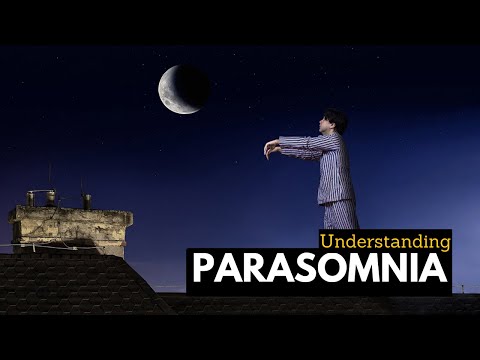
You know those nights when you wake up and it feels like something weird just happened? Like maybe you were talking in your sleep or doing some strange dance? That’s basically parasomnia.
It’s not just a funny story, either. This stuff can really mess with how well you sleep and, believe it or not, affect your mental health too. Imagine waking up tired every single day because of something going on while you’re snoozing.
Crazy, right? Let’s dig into what parasomnia really is and why it matters for both your sleep and your mind. You’re gonna want to stick around for this!
Effective Parasomnia Treatment Strategies: Overcoming Sleep Disorders for Better Rest
So, let’s talk about parasomnias. You know, those weird things that happen while you’re snoozing? They’re not just about snoring or talking in your sleep—there’s a whole world of strange behaviors that can happen when you drift off. They can range from sleepwalking and night terrors to more subtle issues like acting out dreams. It can be pretty unsettling for both the person experiencing it and anyone sharing a bed with them.
Understanding Parasomnia is key before we jump into treatment strategies. These disorders can be linked to various factors like stress, mental health conditions, medications, or even sleep deprivation. It’s like your brain is playing a trick on you while you’re in dreamland!
Now, here’s where it gets tricky. Treatment isn’t one-size-fits-all; it really depends on what’s going on around the parasomnia itself. And trust me, there are some effective strategies out there to help manage these pesky sleep disruptions.
- Sleep Hygiene: This is basically making your sleep environment as cozy and distraction-free as possible. Think cool room temperature, comfortable bedding, and no screens before bed. Seriously! All this helps signal your brain that it’s time to take a break.
- Cognitive Behavioral Therapy (CBT): If anxiety or stress is triggering your parasomnias, CBT could be super helpful. You work with a therapist to identify thought patterns that might be keeping you up at night—or causing chaos during sleep—and learn healthier ways to cope.
- Medication: Sometimes doctors may suggest medications for short-term relief or if other treatments aren’t helping much. It doesn’t mean popping pills every night but rather finding something that helps regulate your sleep cycle temporarily.
- Avoid Stimulants: You gotta watch what you put in your body before bed! Caffeine and nicotine can mess with your ability to get solid rest and might worsen parasomnia symptoms.
I remember talking to a friend who struggled with sleepwalking for years—it freaked her out! She’d wake up in odd places or find herself doing random stuff like packing her bags at 3 AM! We worked on her sleep routine together: calming down before bed, cutting caffeine after lunchtime, and even keeping a journal of her dreams and experiences. Over time, she noticed fewer incidents.
In some cases, addressing the underlying issues can help tremendously too. If someone has anxiety or depression contributing to their parasomnia episodes, tackling those through therapy or support groups can lead to improvement in overall quality of life—and yes—even better sleep!
Lifestyle Changes matter too! Regular exercise during the day (but not right before bedtime) can help promote deeper rest at night. Plus, managing stress through mindfulness practices or meditation helps calm that busy mind of yours—super useful for getting a handle on those uninvited nighttime adventures!
The thing is: if you think you might be dealing with a parasomnia disorder yourself—or are waking up feeling more exhausted than when you went to bed—it could be worth chatting with a healthcare professional who understands these issues well.
Sometimes simply sharing what you’re experiencing can really lift some weight off your shoulders!
Understanding Parasomnia Symptoms: Signs, Causes, and Treatment Options
Understanding Parasomnia Symptoms
So, let’s talk about parasomnias. These are sleep disorders that can really mess with your rest. They involve abnormal behaviors, movements, emotions, perceptions, or dreams while you’re either falling asleep or waking up. Yeah, it sounds a bit wild, doesn’t it? You might not even realize it’s happening until someone tells you.
Signs of Parasomnia
You might be wondering what the signs are. Well, here are some common ones:
- Sleepwalking: Imagine getting up and wandering around while still asleep. Totally puts a twist on “walking in your sleep,” right?
- Night Terrors: This isn’t just bad dreams. It’s an intense feeling of fear while you’re asleep. People often wake up screaming and confused.
- Sleep talking: Some folks chatter away in their sleep without any clue the next day.
- Teeth grinding (Bruxism): This can happen during sleep and can lead to some serious dental issues if it goes on too long.
- REM Sleep Behavior Disorder: Usually during REM sleep, your muscles are relaxed. But in this case, they’re not. You might act out dreams violently—yikes!
Causes of Parasomnia
What causes these strange behaviors? Well, there’s a mix of things at play:
- Stress and Anxiety: High stress levels can mess with your sleep cycle big time.
- Lack of Sleep: Not catching enough Zs can create all sorts of sleep issues.
- Certain Medications: Some drugs can stir up night terrors or other parasomnias as side effects.
- Your Genes: Yep, genetics play a role too! If family members have had these issues, chances are you might experience them as well.
Now here’s where my friend Sarah comes in; she used to freak out about the night terrors she experienced. One night she told me that her heart was racing like crazy when she woke up screaming after dreaming about being chased by a giant cat! That wasn’t her only episode though—it happened more than once before she figured out stress was playing a major role.
Treatment Options
The good news is there are options for treatment! Here’s what you might consider:
- Lifestyle Changes: Reducing stress through relaxation techniques like yoga or meditation might help calm those nighttime episodes.
- Cognitive Behavioral Therapy (CBT): This type of therapy can help fix unhelpful thought patterns that affect your sleep.
- Sleep Hygiene Practices: Keeping a regular bedtime and creating a calming space for sleep—think comfy pillows and dim lights—can go a long way.
- Medications: In certain cases where other treatments don’t work, doctors may prescribe medication to help manage symptoms.
So yeah, if you notice any odd behavior during your snoozing hours—yours or someone else’s—you should definitely consider having a chat with a professional about it. Recognizing parasomnias means moving toward better sleep and who doesn’t want that? Good luck getting those sweet dreams!
Understanding Parasomnia: Is It a Mental Illness or Just a Sleep Disorder?
You know, when we talk about parasomnia, it can get a bit confusing. Is it just another sleep disorder, or does it actually tap into the world of mental health? Well, let’s break it down together.
First things first, parasomnia refers to those weird behaviors and experiences that happen while you’re sleeping. Think of sleepwalking or night terrors. They’re not just random things; they can actually disrupt your nightly rest. Not cool, right? So, if you’ve ever woken up in the middle of the night with no idea why you were yelling or wandering around your house, that could be a form of parasomnia.
Now, here’s the kicker: some experts classify parasomnias as sleep disorders because they primarily occur during sleep. But others think they might have links to mental health conditions like anxiety or stress. When you’re super stressed out during the day, your brain might play tricks on you while you snooze. Pretty wild!
There are a few key types you’re likely to hear about:
- Sleepwalking: This happens when someone walks or performs other complex actions while still asleep.
- Night terrors: These are intense episodes of fear during sleep that can cause screaming or thrashing around.
- REM Sleep Behavior Disorder: This is when you act out your dreams—sometimes violently—because your brain isn’t paralyzed like it normally should be during REM sleep.
So yeah, if we think about how these behaviors might relate to mental health: stress and anxiety can definitely trigger them for some people. One friend I know started sleepwalking after going through a tough breakup—it was her brain’s way of dealing with all that emotional stuff.
But here’s where it gets tricky: just because there’s a connection doesn’t mean one causes the other directly. Sometimes it’s simply about disruptions in sleep patterns combining with emotional challenges. You follow me?
If you’re experiencing any kind of parasomnia, it’s worth speaking to a healthcare professional who knows their stuff regarding both sleep disorders and mental health. They’ll help sort through what’s causing your sleepless nights—whether it’s psychological issues or purely biological factors.
So, is parasomnia a mental illness? Well, it’s more accurate to think of it as a bridge between being asleep and awake—a place where our minds might reflect what’s happening in our lives emotionally but not necessarily fit into one box neatly labeled «mental illness.» It’s all about context and understanding what’s going on beneath those restless nights.
In short: parasomnias are super interesting but multi-layered too! It makes sense to see them as part of the larger conversation around both sleep health and mental well-being.
You know, sleep is this weird, magical thing that we all need, but it can also be a total rollercoaster. I mean, think about it. You lay down, you close your eyes, and you dive into a world that feels so real. But sometimes, things go sideways in the most bizarre ways. That’s where parasomnia comes into play.
So here’s the scoop: parasomnia is basically an umbrella term for those strange behaviors or experiences that happen while you’re asleep. Like, ever heard of sleepwalking? Or maybe someone has told you stories about talking in their sleep? Yeah, those count as parasomnias. They can get even weirder too—some folks might act out their dreams or have night terrors that leave them feeling totally rattled when they wake up.
The thing is, our mental health can really shake hands with our sleep patterns. If you’re stressed or anxious during the day, it sometimes spills over into your nighttime routine. I remember one friend who started sleepwalking after going through a rough patch at work. One night she woke up in her kitchen trying to make a sandwich—totally clueless! We laughed about it later, but she was super freaked out at first because she had no idea how she ended up there.
Now here’s where it gets interesting: some research suggests there’s a link between certain mental health conditions and parasomnia. Like people dealing with anxiety or depression might find themselves facing these odd sleep issues more often than others do. So if you’re juggling stress or emotional stuff while trying to get your beauty sleep, your brain might just decide to throw a party while you’re snoozing.
But hey, don’t panic if this sounds like something you’ve dealt with! There are ways to manage these nocturnal hiccups—talking to a therapist could be a game-changer if emotional clouds are hanging over your head.
In the end, acknowledging how these two worlds connect—sleep and mental health—can really help us understand ourselves better and improve our quality of life. It’s all about finding balance and realizing that we’re not alone in this whole wild ride of dreams and nightmares!