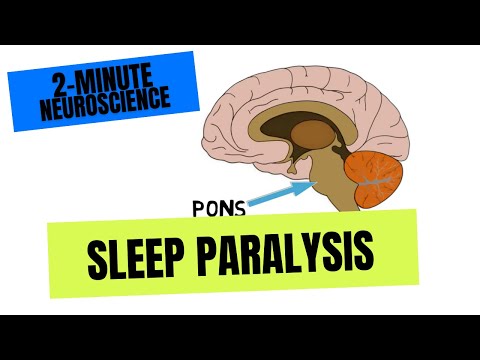
Ever wake up and feel like you can’t move? Like, you’re wide awake, but your body just won’t cooperate? Yup, that’s sleep paralysis, and it’s way more common than you might think.
It can be super freaky. I mean, one minute you’re dreaming, and the next you’re staring at the ceiling, feeling trapped in your own body. Talk about a horror movie moment!
But it’s not just about the spooky vibes. There are some serious psychological effects that come with it. That pressure on your chest? It’s real. And let me tell you—it can mess with your head big time.
So, grab a comfy spot because we’re delving into what sleep paralysis really means for our minds and emotions. You ready?
Understanding the Mental Impact of Sleep Paralysis: Insights and Coping Strategies
Sleep paralysis can be a seriously unsettling experience. Imagine lying in bed, aware of your surroundings, but totally unable to move. It’s like being stuck in a weird, twisted dream where you can’t wake up. Many people report feelings of **panic**, **fear**, or even the feeling that there’s something sinister in the room with them. This can last just a few seconds or, for some, it feels like an eternity.
So what’s going on here? Basically, sleep paralysis happens when you’re caught between wakefulness and sleep. Your brain wakes up, but your body doesn’t follow suit. This disconnect leads to that heavy feeling and immobility. It’s most common during transitions from REM (that’s when we dream) to waking states or from waking back into sleep.
The psychological impacts can be significant. People often feel terrified after an episode; some might avoid sleep altogether out of fear of experiencing it again. It’s not uncommon to feel anxious during bedtime routines or even develop a fear of sleeping alone. You follow me? That anxiety can spiral into more serious sleep problems, like insomnia.
Coping with sleep paralysis isn’t just about enduring the episodes; it’s also about managing your mental state around them. Here are some strategies:
- Recognize it: Understand that what you’re experiencing isn’t dangerous—it’s just a temporary phase your body is going through.
- Regular sleep schedule: Try to go to bed and wake up at the same time every day. This helps regulate your body clock.
- Relaxation techniques: Mindfulness or meditation before sleeping may help calm your mind and reduce anxiety.
- Avoid heavy meals and caffeine: These can disrupt your sleep patterns and make you more prone to episodes.
- Create a comfortable environment: Make sure your bedroom is cool, dark, and quiet—this promotes better sleep quality overall.
It’s also worth mentioning that sometimes just talking about these experiences can help. For instance, I had a friend who went through this sort of thing often—she felt so isolated until she started discussing it openly with others who had shared similar experiences. Just finding out she’s not alone made a huge difference for her.
If these episodes keep happening and really mess with your head or daily life, consider chatting with a mental health professional as they can offer tailored support and strategies.
Sleep paralysis might sound freaky, but remembering you’re not alone in this makes all the difference!
Understanding Sleep Paralysis: The Physiological Mechanisms Behind This Sleep Disorder
Sleep paralysis can be one of those experiences that freak you out. You’re half-asleep, maybe dreaming a bit, when suddenly you can’t move. It’s like being stuck in your own body! The sensation itself is strange and often frightening. But what’s really going on? Let’s break down the physiology behind this sleep disorder.
First off, sleep paralysis occurs during the transition between waking and sleeping. Basically, your brain wakes up, but your body doesn’t get the memo. During sleep, especially during the REM (Rapid Eye Movement) stage, your brain is super active while your muscles are essentially turned off to prevent us from acting out our dreams. This protective mechanism usually works great! But sometimes, if you wake up during REM sleep, you’re caught in this weird limbo where you’re conscious but can’t move.
The physiological mechanisms behind it involve neurotransmitters like glycine and GABA. These guys play a huge role in inhibiting muscle activity. When you’re in REM sleep, they flood your brain and keep your muscles relaxed—think of it as a safety feature. If this inhibition hangs around too long after you wake up, that’s when the paralysis kicks in.
Another aspect to consider is how many people experience this phenomenon. Research suggests about 8% of the population encounters sleep paralysis at least once in their lifetime—pretty common! But remember: it doesn’t just feel weird; it can come with hallucinations, which might make things even scarier.
So let’s talk triggers. Stress and anxiety are big culprits here. If you’re low on sleep or dealing with emotional ups and downs—a breakup or work pressure—your body might respond by sending you into more intense REM cycles or disrupting them altogether. It’s like a domino effect; stressed-out minds lead to disrupted sleep patterns, making episodes of sleep paralysis more likely.
Some folks report feeling an overwhelming sense of dread during an episode or even seeing shadows lurking nearby—definitely not what you want at 3 AM! These hallucinations happen because while you’re awake mentally, parts of your sleeping mind are still active, creating dream-like visuals that can be downright terrifying.
Lastly, if you’re someone who sleeps on their back frequently—that could also increase your chances for experiencing sleep paralysis. Funny enough, sleeping positions affect how our brain decides to handle muscle control during these transitions.
In sum: when we break down the science behind sleep paralysis it’s all about that connection between our brain and body during those peculiar states between wakefulness and dreams. Understanding these physiological mechanisms helps demystify what can often feel like a nightmare playing out in real time! If you’ve been through it yourself or know someone who has, then having this insight might just help make sense of those harrowing moments in the dark.
Understanding Sleep Paralysis: Exploring Its Causes and Effects on Mental Health
Sleep paralysis can be a pretty unsettling experience. Imagine waking up but feeling like you’re stuck in your own body. You can’t move or speak, and sometimes people even see or feel strange things while it’s happening. Sounds creepy, right? Well, let’s dig into what causes this phenomenon and its effects on mental health.
First off, sleep paralysis usually happens as you’re transitioning between wakefulness and sleep. It can occur when you’re falling asleep or waking up, because your brain is awake but your body is still in a sleep state. It might feel like you’re in this weird space where dreams and reality blur together. For some folks, it’s just a one-off thing, while others experience it often.
A lot of the time, stress plays a big role here. When life hits hard—work stress, school pressures, relationship issues—it can mess with your sleep patterns. If you’ve ever pulled an all-nighter or stayed up way too late binge-watching shows, that can also throw a wrench into your sleep cycle. Basically, if your schedule is whacked out or you’re super stressed, you’re more likely to experience sleep paralysis.
But that’s not all! Lack of sleep is another factor that ties into this. When you don’t get enough z’s, you might find yourself feeling groggy during the day and at night when you finally crash; BAM! Sleep paralysis might kick in. It’s like your body saying, “Hey! You really need to rest!”
The experience itself can be pretty scary too. Some people report feelings of pressure on their chest or seeing shadowy figures looming over them. This fright can lead to anxiety about going to bed at night because they fear experiencing it again. Over time, this dread could develop into more serious conditions like anxiety disorders. Imagine not wanting to lay down because you’re worried about being trapped—in bed! That’s no way to live.
You see the connection? The fear of sleep paralysis can create a cycle of stress and poor sleep habits that worsen mental health over time. It’s like a vicious loop; lack of rest fuels anxiety which leads to more chaotic sleeping patterns.
Another thing worth mentioning is how common this really is among different folks—it doesn’t discriminate! It affects people from all walks of life: students burning the midnight oil before exams, professionals juggling work-life balance struggles… anyone really!
If you find yourself dealing with sleep paralysis regularly or if it’s impacting your mental health negatively—don’t hesitate to reach out for help! Speaking with someone knowledgeable about these experiences can make a huge difference.
In short: Sleep paralysis might sound wild (and honestly kind of terrifying), but understanding its causes—like stress and lack of sleep—can help you break that cycle and reclaim those restful nights again! Isn’t it wild how something so scary has such straightforward links back to our everyday lives?
You know, sleep paralysis can be seriously unsettling. Imagine waking up, but you can’t move a muscle. Your eyes are wide open, and you’re fully aware of your surroundings, but your body feels like it’s stuck in molasses. It’s a real trip, and it can be downright terrifying.
So here’s the thing: when people experience sleep paralysis, they often report these vivid hallucinations. You might see shadows moving around or feel a weight pressing down on your chest. It’s like being caught between dreams and reality—and let me tell you, that can mess with your head.
I remember my friend once shared her experience with me. She woke up one night feeling this strange heaviness on her chest. She couldn’t move or scream; she just lay there in panic as she thought someone was watching her from the corner of her room. When she finally broke free, the relief was huge, but it haunted her for weeks after that. She started fearing going to bed; it really impacted her mood and made her anxious during nighttime.
The psychological effects of sleep paralysis are more than just fear—there’s anxiety and even shame involved for some folks. They might think they’re going crazy or question their sanity because what they experienced felt so real. This is where it gets tricky: those anxieties can lead to insomnia or fear of sleeping altogether. It’s this weird cycle where the fear of an experience makes the experience happen even more.
And let’s not forget about how culture plays into this! In some places, sleep paralysis is linked to folklore—like spirits sitting on your chest while you sleep. That adds another layer of complexity to how people perceive these experiences and how they cope with them.
The cool thing is there are ways to manage it—like practicing good sleep hygiene or reducing stress during the day can help reduce episodes over time. But it does take time and patience.
In short, sleep paralysis isn’t just a creepy story to share at a campfire; it’s a real phenomenon that impacts people’s emotional well-being in profound ways. If you’ve ever experienced it—or know someone who has—you’re not alone in navigating those scary waters!