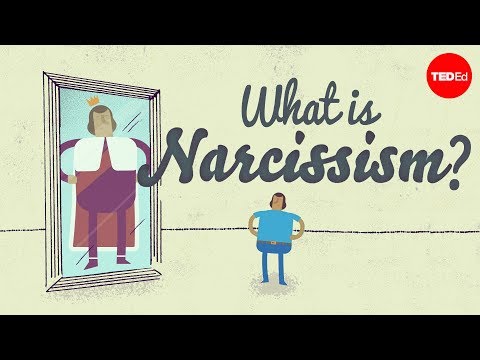
You know that one person who seems to be all about themselves? Yeah, that’s narcissism. It’s not just an annoying trait—it can really mess with relationships and mental health.
I mean, think about it. Ever had a friend who only talks about their achievements but never asks how you’re doing? Frustrating, right?
Narcissism is more than just ego. It’s a complicated thing that affects how people see themselves and interact with others. So let’s break it down.
We’ll chat about what drives this behavior and why understanding it matters for all of us. Seriously, it’s like peeling back the layers of a really weird onion!
Understanding the 3 C’s of Narcissism: Key Insights into Narcissistic Behavior
The 3 C’s of narcissism—**character**, **cognition**, and **culture**—are like a roadmap to understand this complex personality style. You might have met someone who just seems to draw all the attention, right? Let’s break it down.
Character really looks at the traits and behaviors. Narcissists often show a strong sense of self-importance. They’re usually charming but can be manipulative too. Imagine you’re chatting with someone who constantly steers the conversation back to themselves. It’s like they’re on a stage, and you’re just there to applaud them.
Then there’s cognition. This involves how narcissists think about themselves and others. They tend to have an inflated self-image, thinking they deserve special treatment. Picture this: they might cut in line because they genuinely believe their time is more valuable than yours. Not exactly the best party guest, huh?
Lastly, we have culture. This reflects how society shapes narcissistic traits. In a world that often glorifies fame and success, it’s easy for narcissistic behaviors to seem normal or even aspirational. Social media plays into this big time! Everyone’s posting their “perfect” lives, which can feed into that need for admiration.
So you see, understanding these 3 C’s helps shine a light on why some folks act the way they do. It gives you insight into their mindset, which can be pretty helpful in navigating relationships with them!
Understanding the 9 Criteria for Narcissistic Personality Disorder: A Comprehensive Guide
Narcissistic Personality Disorder (NPD) can be a tough nut to crack, but understanding its criteria might help you navigate the complexities of this condition. The Diagnostic and Statistical Manual of Mental Disorders (DSM-5) lays out nine criteria for diagnosing NPD, and you only need to meet five of them for a diagnosis. Let’s break it down.
First off, folks with NPD usually have an inflated sense of self-importance. They often exaggerate achievements and talents. You might hear them claiming they’re the best at what they do, even when the evidence doesn’t back it up.
Then there’s that need for constant admiration. People with narcissism really crave validation from others. It’s like they can’t function without it. They might go out of their way to fish for compliments or become upset if they don’t get enough attention.
Another biggie is a lack of empathy. Seriously, empathy is kind of nonexistent here. They may struggle to recognize or care about other people’s feelings. For example, if a friend is having a hard time, a person with NPD might brush it off or turn the conversation back to themselves.
You’ll also notice that narcissists think they’re special and unique—like nobody else can possibly understand them or what they’re going through. This belief can lead to feeling superior over others and often involves looking down on people perceived as «less than.»
They often have this tendency to exploit others as well. It’s not always obvious at first; sometimes, it’s subtle manipulation or deceit for personal gain without any concern about how it affects the other person.
Envy is also part of the package deal. People with NPD may feel envious of others’ successes while simultaneously believing that those around them are envious of them too! It’s like an endless cycle of jealousy.
The seventh criterion revolves around arrogant behaviors or attitudes. You might notice them acting haughty or putting others down, maybe even in casual conversations—but they truly believe they’re above everyone else.
Also important? Their reactions can be intense when faced with criticism—think anger or humiliation kicking in at the slightest hint that someone doesn’t admire them enough.
Lastly, there’s that persistent pattern where these characteristics cause significant problems in their own lives and the lives around them, affecting relationships and work life.
Understanding these criteria doesn’t mean labeling someone as “narcissistic” right away; lots of people might show some traits without having NPD itself. But if you see multiple signs playing out over time in someone’s life—and they’re causing serious issues—it could point toward something more serious needing attention.
Getting into therapy can help those dealing with narcissism face their issues head-on and start making some positive changes! So remember: no one is just their diagnosis—there’s always room for growth!
Understanding Narcissistic Behavior: Signs, Causes, and Strategies for Coping
Narcissism is one of those terms that gets thrown around a lot, but it actually means something pretty specific in psychology. Basically, it’s characterized by an excessive need for admiration, a lack of empathy for others, and, sometimes, a sense of entitlement. So, when you hear someone say they’re “narcissistic,” it often means they’re displaying some pretty intense traits that can affect relationships.
So what are the signs? Well, you might notice:
- Exaggerated sense of self-importance: They talk a lot about their achievements or talents—like they just won an Olympic gold medal in their own mind.
- Constant need for admiration: They thrive on compliments and praise. If they don’t get them? Well, let’s just say it can lead to some major mood swings.
- Lack of empathy: They struggle to recognize or care about other people’s feelings. It’s like they have blinders on when it comes to other perspectives.
- Sensitivity to criticism: Even the slightest bit of feedback can set them off. Seriously, saying “Hey, maybe try this instead” can lead to dramatic reactions.
- Exploiting relationships: They might use people to get ahead without much regard for how others feel—kind of like stepping stones along their path.
Now let’s chat about the causes. It’s not just one thing that makes someone develop narcissistic behavior. Here are some influences that can play a role:
- Genetics: There may be a hereditary component involved. If narcissism runs in the family, that could leave certain individuals more prone.
- Childhood experiences: An over-praising parent or one who was overly critical might lead to this kind of behavior as a coping mechanism—a way to shield their self-esteem.
- Cultural factors: Living in an environment that celebrates individualism and success at all costs can also nurture narcissistic traits.
Now onto the tricky part: if you’re dealing with someone who shows these signs—whether it’s a friend or even family member—it can feel overwhelming. Here are some strategies for coping:
- Set boundaries: Be clear about what you will and won’t accept in your relationship with them. Boundaries are like shields; they protect your space!
- Avoid taking their behavior personally: Remember, their actions reflect them—not you! Developing this mindset helps maintain your sanity.
- Encourage professional help if possible: Sometimes they might actually listen if you suggest talking to someone trained in dealing with these issues.
And hey, if you’re feeling drained by all this? That’s totally normal! Being around narcissistic behaviors can be exhausting and emotionally taxing.
When I think about my friend Sarah who used to date someone really high on the narcissism scale—it was tough for her. She’d share stories where he’d only ever talk about his latest promotion while ignoring her great accomplishments at work. It felt like walking on eggshells around him because any mention of her perspective could turn into a big fight.
Understanding narcissism isn’t just about identifying bad behavior—it’s about protecting yourself too. Keeping an eye out for those traits and knowing how to cope is really valuable knowledge!
Narcissism can feel like it’s all over social media these days. You know, those people who seem totally into themselves? It’s easy to dismiss them as just being self-absorbed, but there’s a little more to it. Understanding the psychology behind narcissism is super important for grasping not just how these folks behave but also how it affects their relationships and mental health overall.
First off, narcissism isn’t just about someone who poses all the time or talks about themselves non-stop. There’s this whole range of it, going from someone who’s a bit too into their own reflection to a more serious personality disorder. Like, people with Narcissistic Personality Disorder (NPD) show traits like needing constant admiration or lacking empathy. So when you see someone flaunting their achievements on Instagram like it’s their job, that might be surface-level narcissism. But if they’re constantly feeling empty inside and using others to boost their self-esteem? It gets deeper than that.
I remember chatting with my friend Max once. He was dating someone who always needed attention and praise—a real center-of-the-universe person. At first, it was exciting! But over time, Max felt drained because his partner couldn’t really connect emotionally or show genuine compassion. It made him question his worth when he wasn’t getting that same spotlight back. That sense of being used can take a toll on someone’s mental health.
The thing is, narcissism often hides deeper insecurities and fears—the kind of stuff that can make anyone feel vulnerable at times. For someone grappling with NPD, there might be this underlying fear of being rejected or not being good enough. That need for validation? Well, it’s like a band-aid over deeper wounds that never quite heal.
But here’s where understanding comes in—you start seeing the patterns and the pain behind the behavior. When you recognize that a narcissist is often walking around with emotional armor on, it can change how you approach them. Instead of feeling hurt by their actions or dismissing them completely, you might find space for empathy while still protecting your own boundaries.
And look, while it’s important to understand why someone behaves this way, it’s also crucial to remember that healthy relationships require reciprocity—and that’s where things get tricky sometimes with narcissists! Setting boundaries becomes key if you’re dealing with someone in your life who tends toward narcissistic behaviors; otherwise, you risk losing your own sense of self.
So yeah, digging into the psychology of narcissism helps us understand not just those we find frustrating but also ourselves in relation to them. We’re all navigating life together—so knowing what makes some folks tick can help us communicate better and build healthier connections along the way. It doesn’t mean we have to tolerate toxic behavior; rather we just learn how to deal with it in a smarter way—one conversation at a time!