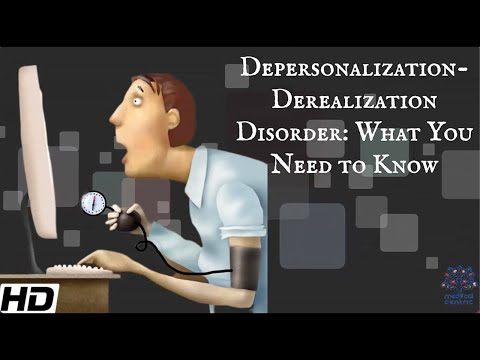
You know that feeling when everything seems kind of… unreal? Like you’re watching your life from the outside. That’s depersonalization. It’s a wild experience that can leave you feeling, well, a bit lost.
Imagine sitting in a café, sipping coffee, and suddenly thinking, “Wait, is this really happening?” It can be super disorienting.
In psychology, depersonalization’s more common than you might think. Many people grapple with it at some point. It’s not exactly fun and can really mess with how you connect with yourself and others.
So let’s chat about what it actually means—and maybe even why it happens. Sound good?
Understanding Depersonalization: A Comprehensive Psychological Definition and Insights
Depersonalization is one of those things that sounds pretty intense, right? It’s when you start feeling disconnected from yourself or, like, your surroundings. Imagine walking through a fog and not really experiencing the world like you usually do. Some people describe it as being in a movie or watching their own life unfold from outside their body. Wild, huh?
So, what’s actually going on here? Well, depersonalization is often tied to stress or trauma. Basically, when your brain faces overwhelming situations—like a really bad breakup or a car accident—it might hit the pause button on your emotions to help protect you. It’s like your brain’s way of saying, “Whoa there! This is too much!”
Here are some key points about depersonalization:
- It’s a defense mechanism: Your mind might detach to shield itself from emotional distress.
- It often occurs alongside other disorders: Many folks who experience depersonalization also struggle with anxiety or depression.
- Not everyone fully understands it: Even people who have been through it can find it hard to explain.
One time I was chatting with a friend who went through something pretty tough—she lost her dad suddenly. For months after that, she felt like she was just floating through life. She’d look in the mirror and not recognize herself; everything felt unreal. It was painful for her and isolating too.
Now, let’s talk about how common this experience really is. You might be surprised! Many people will experience at least some moments of depersonalization in their lives, especially during stressful times. But when it becomes chronic—like lasting weeks or even longer—it can get tricky.
If someone finds themselves stuck in this feeling frequently and it’s affecting their life—like work relationships or overall happiness—they might want to seek help from a mental health professional. Therapy can be helpful! Therapists often use talk therapy techniques or grounding strategies to help reconnect individuals with themselves.
And don’t forget about awareness! Sometimes just knowing what you’re experiencing can create some relief. Understanding that depersonalization isn’t «crazy» but rather a response can be comforting.
Basically, while depersonalization feels strange and unsettling, it’s important to remember you’re not alone if you experience it. A lot of folks go through similar feelings at different points in their lives. So if you ever feel detached or different from yourself, know that there are ways to navigate those feelings and reconnect with reality again!
Understanding Depersonalization: A Comprehensive Guide to Explaining This Common Mental Health Experience
Depersonalization can feel like you’re watching your life from the outside, like a movie. You feel disconnected from your thoughts, feelings, or even body. It’s not uncommon, and yet it can be super confusing and scary when it happens.
What is Depersonalization? Well, it’s a dissociative symptom that makes you feel detached from yourself. Imagine looking in a mirror but not recognizing the person staring back at you. That’s sort of what it can feel like.
People often experience depersonalization during moments of extreme stress or anxiety. It’s like your mind’s way of shielding you when things get too intense. For instance, someone going through a traumatic event might suddenly feel unreal. One moment they are engulfed in emotions, and the next they’re watching everything unfold without truly feeling present.
What Triggers It? There are several common triggers for depersonalization:
- High-stress situations.
- Anxiety disorders.
- Trauma or abuse.
- Substance use or withdrawal.
Let’s talk about anxiety for a second. You know those panic attacks where everything feels overwhelming? Sometimes, as an attempt to cope with that overload, your brain just hits the pause button on intimacy with your own thoughts and feelings.
The Experience Itself can vary widely among individuals. Some people describe it as feeling foggy or spaced out, while others might say they just don’t quite connect with their emotions anymore. Like being on autopilot—you go through daily tasks, but nothing feels real.
It’s important to mention that depersonalization isn’t inherently harmful; it’s your mind trying to protect itself! But if it becomes frequent or lasts for an extended period, that could signal something deeper needing attention.
Treatment Options, if needed at all (since some folks work through this without professional help), often include therapy approaches like cognitive-behavioral therapy (CBT). CBT helps you reframe negative thought patterns and ultimately leads you back toward feeling more connected again.
If things really start to get out of hand, medications can sometimes help manage underlying conditions that lead to these dissociative experiences. But remember: medication isn’t a magic bullet—it works best alongside therapy.
In any case, remember it’s okay to reach out for help if you’re feeling this way consistently. You deserve support! And breaking the silence around what you’re experiencing can bring huge relief.
So yeah, depersonalization may sound scary when you first hear about it—but understanding what it is helps take away some of that fear! You’re definitely not alone in this experience; many people go through similar feelings at different points in life.
Understanding Depersonalization: What It Is and How It Affects Mental Health
Depersonalization can be a bit tricky to grasp, but it’s super interesting once you get the hang of it. So, let’s break it down in a way that makes sense, alright?
What is Depersonalization? It’s basically when you feel disconnected from yourself. Like, imagine looking at yourself in a movie instead of actually living your life. It can feel like you’re floating outside your body or that everything around you is hazy and unreal. That kinda “out of body” experience? Yeah, that’s what this is about.
Now, how does this relate to mental health? Well, depersonalization can be a response to stress or trauma. Think about the last time you were super overwhelmed or scared. Maybe you felt like you were watching things happen rather than experiencing them firsthand. For some people, this feeling sticks around and pops up when they’re least expecting it.
There are a few things that can cause these feelings:
- Anxiety: High levels of anxiety can lead to moments where reality feels blurred.
- Trauma: Past traumatic events might trigger depersonalization as a defense mechanism.
- Stressful situations: Major life changes or stressors can also bring on these feelings.
Picture someone who just went through something really tough—like losing a loved one or facing a serious illness. They might suddenly feel like they’re not really there anymore, as if their emotions are being viewed from afar rather than felt directly.
How common is this? You might be surprised! A lot more people experience episodes of depersonalization than you’d think. In fact, studies suggest that anywhere from 30% to 50% of folks have dealt with at least one episode in their lives. But for some individuals, it turns into something chronic—that’s when it crosses over into Depersonalization/Derealization Disorder (DPDR).
So what happens next? Well, dealing with these feelings can lead to some challenges:
- Difficulty connecting with others: You might find it hard to interact socially because everything feels… off.
- Anxiety and depression: These feelings often pair up with depersonalization, making things harder.
- Avoidance behaviors: You might start avoiding places or situations where you feel these sensations more intensely.
For those dealing with DPDR over the long haul, therapy could be super helpful. Talking to someone who gets it—like a therapist—can make all the difference. They help sort through the feelings and give support so it’s easier to cope with those detachment experiences.
You know how talking about your problems sometimes eases the burden? That’s exactly what going through therapy can do for someone struggling with depersonalization too!
In summary: depersonalization is all about feeling distanced from yourself and your surroundings—it’s common and often linked to anxiety and trauma. While those moments can be jarring and confusing, there are ways to navigate them with support and understanding. Just remember—you’re definitely not alone in this!
Okay, so let’s chat about depersonalization. It’s a term that can sound pretty heavy, but really, it’s about feeling disconnected from yourself or your surroundings. You know that feeling when you’re like, “Is this real?” or maybe you look in the mirror and don’t quite recognize the person staring back at you? Yeah, that’s part of it.
Imagine a friend telling you about their experience. They might share how in stressful times, everything feels foggy or dreamlike. It’s like being in a movie where everything is happening around them, but they’re not really part of it. That sense can be scary—it can make you feel alone even when there’s people around, which I think is an incredibly tough place to be.
The thing is, depersonalization isn’t just some weird quirk; it’s often tied to anxiety and trauma. If someone has gone through something rough—like losing a loved one or facing a huge life change—they may start experiencing these feelings more often. Sometimes it’s your mind’s way of trying to protect itself from pain or overwhelming emotions. Seriously, it’s like your brain is trying to hit pause on the chaos.
Now, there are levels to this experience. For some folks, it’s occasional and passes with time; for others, it can become chronic and interfere with daily life. You know how annoying it is when you’re trying to focus on something important but keep drifting off? That’s kind of what chronic depersonalization feels like.
In therapy settings—like cognitive behavioral therapy—people might explore how their past experiences shape these moments of disconnection. It helps to ground themselves again in reality and re-establish that connection between mind and body. It sounds pretty daunting at first glance, but many find relief through these conversations.
So if you’re ever feeling like everything’s surreal or you’re not fully here—first off, you’re not alone; many go through this—and second, reaching out for support can really help shift those clouded perceptions back into focus.