So, let’s chat about something that’s kinda sneaky but super important in mental health: somatization. You ever feel like you’ve got a headache or an upset stomach, but there’s no real reason for it? Yeah, that can happen.
Basically, your mind and body are like best friends. They talk to each other all the time. Sometimes, when stuff gets too heavy up there, your body might chime in with some weird symptoms. It’s like your brain saying, “Hey! Listen up!” But getting into those feelings? Well, that’s the tricky part.
You know how life throws curveballs? Whether it’s stress from work or just feeling overwhelmed by everything around you, sometimes those emotions don’t just sit quietly. They can manifest physically too. So let’s dig into what somatization really means and why it matters for our mental well-being.
Understanding Somatization: Exploring the Connection Between Mind and Body
So, let’s talk about somatization. It’s one of those terms that can sound complicated, but really, it’s about how our minds and bodies are connected. Like, think about a time when you felt super anxious before a big presentation. You might have had butterflies in your stomach or maybe even a headache. That’s somatization in action.
What is Somatization? It basically means that psychological distress shows up as physical symptoms. Instead of just feeling sad or stressed out mentally, you might experience things like chronic pain, fatigue, or digestive issues without any clear medical reason for them. Your body is like, «Hey! Something’s wrong!» even if your doctor can’t find anything physically wrong.
Now, it’s not just about being a hypochondriac. Many people who experience somatization are genuinely feeling real pain or discomfort, but the root cause often lies in emotional turmoil or unresolved psychological conflicts. And that can be really frustrating because if doctors can’t find anything wrong physically, it makes you feel like it’s all in your head—which can be dismissive and kinda invalidating.
Why Does This Happen? There are several reasons why somatization occurs:
The Connection Between Mind and Body. It’s pretty fascinating how they’re interconnected! Your brain has this amazing ability to send signals throughout your body based on what you’re feeling emotionally. So when you’re feeling stressed or anxious? Boom! Those emotions trigger responses in your body—like increased heart rate or muscle tension.
Let’s say you’re constantly worrying about money problems; eventually, those worries might turn into something more tangible—like stomach cramps or backaches. It happens more often than we think!
Treatment Options. Dealing with somatization involves treating both the mind and body since they influence each other so much:
But keep in mind: working through this stuff takes time! Just as our bodies can develop habits over years—like slouching at our desks—our brains also build patterns of thinking that don’t change overnight.
Lastly, remember that if you’re dealing with symptoms related to somatization? You’re not alone—and it’s totally okay to seek help! Understanding this connection between your mind and body could really change how you navigate your mental health journey. So embrace it; it’s all part of being human!
Understanding Somatic Disorders: The Five Key Types You Need to Know
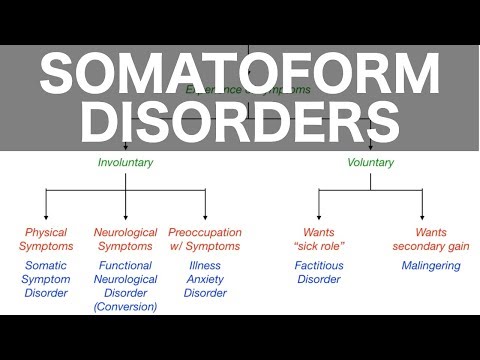
Somatic disorders can feel like a mystery sometimes, right? You might be going through all the usual motions of life, but your body starts acting up in ways that don’t seem to add up. Like, you know, maybe you’re feeling intense pain or fatigue but there’s no clear medical reason for it. That’s where somatic disorders come into play.
Somatic symptoms disorder is one of the big ones. This is when you have distressing physical symptoms—like pain or tiredness—that don’t have a medical explanation. Imagine someone who constantly feels aches and pains throughout their body, even after doctors tell them there’s nothing physically wrong. It can be super frustrating and exhausting.
Then there’s illness anxiety disorder. Picture someone who’s overly worried about their health, fearing they might have a serious condition based on minor symptoms. Even a little headache could spiral into a full-blown panic about brain tumors or other scary diseases. It’s not just worrying; it can interfere with daily life pretty significantly.
Another type is conversion disorder. This one’s kind of wild because it involves neurological symptoms—like paralysis or seizures—but there’s no underlying medical reason for them. For instance, someone might suddenly go blind after experiencing trauma or stress, but all tests come back normal. The brain basically converts emotional distress into physical symptoms.
Then we have factitious disorder, which is different from the rest. Here, someone intentionally produces or exaggerates symptoms to assume the role of being sick. It could be someone pretending to have diabetes by injecting insulin when they’re perfectly healthy—just to get attention or care from others.
Lastly, there’s psychological factors affecting other medical conditions. This type means that psychological issues play a major role in worsening an existing physical problem. For example, stress and anxiety could elevate blood pressure in someone who already has hypertension.
What ties these together? The fact that emotional and psychological stress manifests as physical symptoms—this is basically the core of somatization in mental health. Your mind and body are more connected than you think! It’s important to recognize that because dealing with these disorders often requires understanding both mental health and physical health together.
And here’s something to keep in mind: if you feel like your body is giving you mixed signals, talking to a healthcare professional could help clear things up—and make sure you’re addressing both sides of the coin!
Understanding Somatization Disorder: Symptoms, Causes, and Effective Treatments
Understanding Somatization Disorder can feel a bit confusing, right? So let’s break it down together. This disorder is all about how emotional distress shows up as physical symptoms. You know, sometimes when you’re feeling super anxious or stressed, it might manifest as headaches or stomach pain instead of just in your head?
Symptoms of somatization disorder aren’t just minor complaints. They can really disrupt your life. Here’s what to look out for:
- Persistent pain that doesn’t seem to have a clear medical cause.
- Recurring gastrointestinal issues like nausea or diarrhea.
- Fatigue that sticks around even with rest.
- Numbness or weakness in different parts of the body.
You might wonder why this happens. Well, the underlying causes of somatization disorder are often rooted in emotional factors. Stress, anxiety, and depression can ramp up your body’s alarm system. It’s like when you experience something intense emotionally, your body just responds physically.
For instance, imagine you’ve got a big presentation coming up at work. You’re super stressed and instead of feeling just mental pressure, your stomach starts acting up too! That’s classic somatization.
Now, let’s chat about effective treatments for this disorder. It’s important to tackle both the physical and emotional sides of things:
- Therapy: Cognitive Behavioral Therapy (CBT) helps you change those negative thought patterns that might lead to those physical symptoms.
- Medication: Sometimes doctors suggest antidepressants to help manage anxiety and depression which could ease those pesky physical symptoms.
- Mindfulness practices: Techniques like meditation or yoga can help reduce stress and improve overall well-being.
Also, getting regular exercise is key! Physical activity releases endorphins which can improve mood and may lessen some of those uncomfortable physical feelings.
It’s worth noting that while somatization disorder might be tricky to navigate, you’re not alone in this journey. Connecting with a healthcare professional who understands both the psychological and physical aspects is essential.
So if you or someone close is dealing with unexplained pains that seem tied to emotions, remember: understanding this connection is a big part of finding relief! Just take it one step at a time—you got this!
You know how sometimes you feel a headache coming on right before a big presentation? Or maybe your stomach’s in knots when you’re stressed about work? Yeah, that’s kind of what somatization is all about. It’s when your body throws a fit in response to what you’re feeling inside, even if those feelings are buried deep.
So, think about it: we often overlook how interconnected our minds and bodies really are. Somatization is this fascinating phenomenon where emotional distress manifests as physical symptoms. It’s like your brain saying, “Hey! Pay attention to me!” but it does it through your body instead of using words. Crazy, huh?
Imagine someone you care about who’s been feeling overwhelmed. Maybe they start having unexplained pains or fatigue that seems to come out of nowhere. They might just brush it off as being tired or getting old, but the truth can be way deeper than that. It probably comes from anxiety or stress they haven’t confronted yet. When I think back to my friend Sarah, she was going through a tough breakup and suddenly developed these awful migraines. She didn’t realize her heart was hurting so much that her body decided to speak up for her.
But here’s where things get tricky—without understanding somatization, people can end up feeling frustrated with their physical symptoms and stuck in this loop of doctor visits without finding the real issue. They might even feel ashamed for not being able to “just get over it.” And honestly? That can make things worse.
The thing is, recognizing somatization can lead to some powerful healing opportunities not just for individuals but also for relationships. When we start to connect the dots between our emotions and physical issues, it’s like opening a door we didn’t even know existed! Therapy can be huge in this process because it helps folks explore those feelings and understand what’s really going on beneath the surface.
In short, somatization is more than just some fancy jargon; it’s a reminder that being human isn’t always neat and tidy. Our minds and bodies are in constant conversation—sometimes loud enough for us to hear very clearly! And who knows? By listening closely enough, you might find peace waiting on the other side.