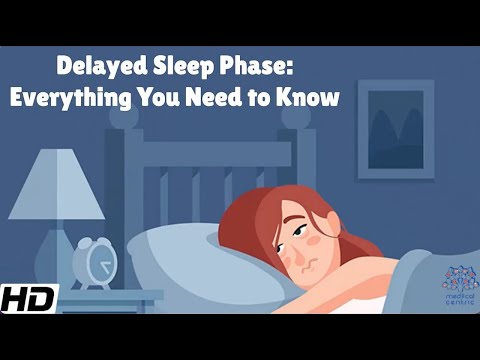
Hey! So, let’s talk about sleep. Or, more specifically, the kind of sleep that feels like it’s totally out to get you. You know?
If you’ve ever found yourself wide awake at 2 AM, scrolling through TikTok while the rest of the world is snoozing away, you might be on a delayed sleep phase schedule. It’s not just annoying; it can mess with your life in a bunch of ways.
Late-night vibes can seriously throw off your mood and make everything feel harder. And trust me, I’ve been there. You wake up groggy and wonder why coffee isn’t doing its magic anymore.
So yeah, let’s chat about what this all means for your mental health and how to tackle it—because keeping those late-night snacks company shouldn’t be your only option!
Understanding Delayed Sleep Phase Syndrome: Causes, Symptoms, and Treatment Options
Delayed Sleep Phase Syndrome (DSPS) is a sleep condition where your internal clock is out of sync with the regular world schedule. You know how some folks can fall asleep as soon as their head hits the pillow at, like, 10 PM? Well, if you’ve got DSPS, you might not even start feeling sleepy until 2 AM, or later. This can mess up your life big time.
Causes
The reasons for having DSPS can be varied. One major factor is genetics; if someone in your family has it, there’s a chance you might, too. Also, environmental factors can play a role. For instance:
If you’ve ever had one of those nights where you’re wide awake while everyone else is snoozing peacefully, that’s a bit what it feels like living with DSPS.
Symptoms
You might be wondering how to tell if you have DSPS. Well, the symptoms are pretty distinct:
Imagine trying to fit into a work schedule when your internal clock thinks it should be resting—total nightmare!
Mental Health Effects
Living with this syndrome could lead to frustrating consequences for your mental health. Feeling out of sync means more than just being tired; it can lead to social isolation and mood swings. You could end up feeling more anxious or depressed because of the lack of sleep.
So picture this: Jessica loves going out with friends but finds herself fading long before everyone else heads home. It starts bothering her; she feels less included and gets more anxious about missing out on fun.
Treatment Options
Now let’s talk solutions! Managing DSPS involves lifestyle changes and sometimes medical interventions:
Sometimes it takes a combo of these approaches to find what works best for you, so don’t get discouraged!
In wrapping this up, dealing with Delayed Sleep Phase Syndrome isn’t just about adjusting when you hit the hay; it’s about finding balance in life and keeping our mental health in check too! If any of this rings true for you or someone close to you, don’t hesitate to reach out for help—sleep plays such an essential role in our overall well-being!
Understanding Delayed Sleep Phase Syndrome in ADHD: Causes, Symptoms, and Effective Strategies
Alright, so let’s chat about Delayed Sleep Phase Syndrome (DSPS), especially how it can link up with ADHD. If you or someone you know has ADHD, chances are you’ve heard about sleep issues, right? Delayed Sleep Phase Syndrome is one of those tricky problems that can pop up.
Basically, DSPS is when your body’s internal clock—like that little timer telling you when it’s time to sleep—gets all messed up. Instead of feeling sleepy at a normal time (like 10 or 11 PM), people with DSPS might only start feeling tired after midnight or even later. This means they end up going to bed super late and then struggle to wake up in the morning. Imagine trying to get out of bed while your brain is saying, “Nope, not happening!” It can be frustrating.
So what causes this? Well, there are a few factors:
- Circadian Rhythm Disruption: Your body naturally has rhythms—day and night cycles—and if they’re off, sleep gets wacky.
- Genetics: Sometimes it runs in families. If your mom or dad had similar issues, it’s possible you inherited that misalignment.
- Environmental Factors: Exposure to too much light in the evening (like screens!) can totally mess things up.
- Neurodevelopmental Disorders: Here’s where ADHD comes into play. Studies show that folks with ADHD often have more trouble with their sleep patterns.
The symptoms? Oh man, they can really impact daily life. Here are some signs to watch for:
- Difficulties Falling Asleep: You lie there wide awake while everyone else is snoozing.
- Mornings Are Painful: Getting out of bed feels like climbing Mount Everest!
- Irritability and Mood Swings: Lack of sleep messes with your emotions; one minute you’re fine, the next you’re ready to explode over something small.
- Poor Concentration: Your brain feels foggy during the day, and focusing on tasks becomes a chore.
The thing is, managing DSPS isn’t impossible. Here are some effective strategies that could help out:
- Create a Sleep Schedule: Try going to bed and waking up at the same time every day—even on weekends! Consistency is key here.
- Avoid Screens Before Bedtime: Yeah, I know it’s hard, but try cutting down screen time an hour before you want to sleep. The blue light from phones and TVs isn’t doing you any favors.
- Create a Relaxing Night Routine: Find activities that help calm your mind—think reading a book or taking a warm bath.
- If Possible, Adjust Light Exposure: In the morning, get plenty of bright light! It helps reset that internal clock. Then reduce light exposure as bedtime approaches.
Your brain works differently when you’ve got ADHD, which can intensify these kinds of issues. Dealing with delayed sleep phase syndrome may feel overwhelming sometimes—but there are options out there!
If all else fails and these strategies don’t work for you or someone near-and-dear who struggles with this stuff, don’t hesitate to reach out for professional help! A mental health professional might have additional tools or therapies that make a difference. Remember: getting enough quality sleep isn’t just important for feeling refreshed; it’s crucial for mental health overall!
You see? Managing delayed sleep phase syndrome doesn’t have to be just another stressor in life—it can truly improve how you feel day-to-day. And honestly? That makes all the difference in the world!
Effective Treatment Strategies for Delayed Sleep Phase Syndrome: A Comprehensive Guide
Delayed Sleep Phase Syndrome (DSPS) can really throw a wrench in your daily life. If you’re dealing with this condition, you probably struggle to fall asleep until the early hours of the morning and then have a hard time waking up for, you know, normal daytime activities. This can mess with your mental health too. You might feel more anxious, stressed, or just plain tired. So, what’s the deal with treating it? Let’s break down some effective strategies.
Cognitive Behavioral Therapy for Insomnia (CBT-I) is often a solid first step. It focuses on changing negative thoughts and behaviors around sleep. You might work with a therapist to identify patterns that keep you awake and develop healthier ones. For instance, instead of tossing and turning when you can’t sleep, CBT-I encourages you to get out of bed and do something relaxing until you feel sleepy again.
Another approach is light therapy. This involves using a special light box that mimics natural sunlight to help reset your internal clock. You’d usually sit in front of it for about 20-30 minutes each morning. This can be especially helpful if you’re struggling to wake up early enough for responsibilities or social events.
Chronotherapy, which is adjusting your sleep schedule gradually over time, can also help manage DSPS. For example, if you’re going to bed at 3 AM now, you’d start by moving your bedtime back by just 15-30 minutes earlier every few days until you’ve reached your desired bedtime. It takes patience, but many find success with this method.
And let’s not forget about sleep hygiene. Creating an optimal sleep environment plays a key role too! Think about things like keeping your bedroom dark and cool or avoiding screens before bed (seriously! Those blue lights are sneaky). Establishing a calming bedtime routine—like reading or meditating—can also signal your brain that it’s time to wind down.
It might feel difficult sometimes when you’re dealing with DSPS; I remember a friend who struggled for years with her sleep schedule—feeling exhausted during the day while wanting to stay up late at night just made everything harder. But finding the right treatment strategy helped her regain control over her sleep patterns and boost her mood dramatically.
If medication seems necessary for you or someone you know, consult with a healthcare professional who knows about this stuff inside out. Sometimes certain medications can help adjust sleep patterns better in combination with other approaches we talked about.
In summary, managing Delayed Sleep Phase Syndrome isn’t impossible—it takes some work and commitment but there are definitely ways to improve it! By combining techniques like CBT-I and light therapy alongside good sleep habits, many people find they can make strides towards better rest—and better mental health too!
You know, getting a good night’s sleep should be as easy as counting sheep. But for a lot of folks, especially those with Delayed Sleep Phase Disorder (DSPD), it’s not quite that simple. Imagine tossing and turning while the clock ticks past midnight, and then staring at your ceiling feeling totally wired when you should’ve been snug in dreamland hours ago. That’s basically the daily grind for someone dealing with this condition.
Living with DSPD can be frustrating. I remember a friend who’d stay up till 3 a.m., eyes glued to his screen, convinced he’d get more done if he just pushed through the night. But come morning? He’d feel like he’d been hit by a truck. The struggle wasn’t just about getting the right amount of zzzs; it seeped into his mood and made everything heavier—like walking around with an emotional backpack full of bricks.
The thing is, sleep isn’t just for recharging our batteries. It’s when our brains process emotions and memories; we all need that time to unwind and reset. When you’re stuck in that late-night routine, your mood takes a dive, and you might feel more anxious or depressed during the day. It’s like trying to swim upstream without any help—the current just pulls you back down again.
And then there are the social impacts. You miss out on brunches or Saturday hikes because while everyone else is rallying at 10 a.m., you’re barely waking up after six hours of restless sleep. You might find yourself feeling isolated or even misunderstood because people don’t get why you can’t just “go to bed earlier.” Their advice often feels like empty words when you’re dreaming about sleep instead of actually catching those necessary hours.
So what can you do if this resonates? It starts with understanding what your body needs—not everyone operates on the same internal clock! Maybe it’s about setting rituals or slowly adjusting your schedule bit by bit so your brain can shift gears without too much drama.
Finding support is key too—be it friends who understand your struggles or professionals who can offer strategies tailored to your situation. No one should have to face this alone. At its core, managing DSPD involves tuning into yourself and recognizing how crucial that good night’s rest is for not only your physical health but also for keeping your mental balance intact.
In short, grappling with Delayed Sleep Phase isn’t just about late nights; it spills over into every nook and cranny of life—your mood, relationships, everything! And tbh? It’s totally okay to ask for help in making sense of it all.