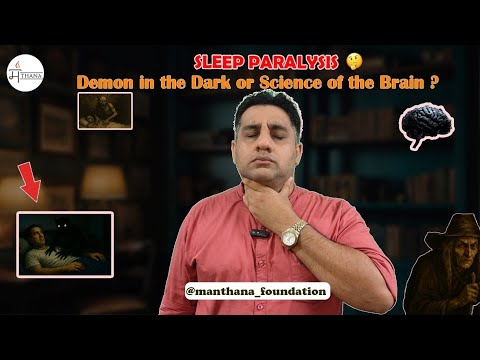
You know that feeling when you wake up and can’t move? Like everything’s frozen, and you’re trapped in your own body? Yeah, that’s called sleep paralysis. But sometimes, people throw in a little extra drama and call it demonic paralysis.
Sounds intense, right? Well, it can really mess with your head. Imagine lying there, scared out of your wits because you feel this presence pressing down on you. It’s wild how something like that could stick around long after the experience is over.
In therapy, navigating those psychological effects can be a bit of a trip. You might think it’s just about the fear of the moment, but there’s so much more going on underneath the surface. There are layers to peel back that can shine a light on some pretty deep stuff about fear, anxiety, and even your beliefs.
So let’s chat about how all this plays out in therapy and why understanding it matters for getting through those eerie moments in life—both literally and figuratively!
Exploring the Connection: How Demonology Influences Mental Health Understanding
The connection between demonology and mental health is, well, pretty fascinating. Many cultures have talked about demonic influences for centuries. People believed that some mental health issues were caused by evil spirits or demons. This idea has, over time, shaped how we understand mental illness today.
When we think about something like demonic paralysis, it’s often described as a feeling of being unable to move or speak due to a supernatural force. Does it sound spooky? It totally can be! But on a more psychological level, this experience can reflect severe anxiety or panic attacks. Just think about those times when you felt trapped in your own body while waiting for that presentation to start. That’s like a mild version of what some people report feeling during these episodes.
People often link demonic paralysis to specific beliefs or cultural backgrounds, which adds another layer to the conversation. If someone believes they are being attacked by a demon, their mind processes the experience through that lens. You know? They might interpret their intense fear or inability to move not as just an anxiety attack but as something much darker and more sinister.
Therapists working with clients who have had experiences related to demonic influences sometimes face tricky situations. They must acknowledge the client’s beliefs while also introducing evidence-based techniques to help them cope with their symptoms. It’s like walking a tightrope! So, they might utilize cognitive-behavioral therapy (CBT) techniques alongside discussions about cultural beliefs concerning demons and evil spirits.
In therapy sessions, addressing these experiences may look like:
- Acknowledging Beliefs: Understanding what a client perceives helps build rapport.
- Normalizing Experiences: Helping clients see they aren’t alone in feeling trapped or paralyzed can be validating.
- Coping Strategies: Introducing methods for managing anxiety can empower them—like grounding techniques or mindfulness practices.
- Education: Offering insights into how anxiety works can demystify those intense experiences.
Doing this allows therapists and clients to work together on healing without disregarding personal beliefs. It’s seriously important because dismissing those feelings could make someone feel even worse.
Let me tell you about Sarah—she once shared her story of waking up unable to move, convinced it was an evil spirit holding her down. That experience kept her from sleeping for weeks; she felt completely vulnerable every night! When she finally went to therapy, her therapist took her feelings seriously but also educated her on sleep paralysis, helping Sarah understand it could be linked to stress and sleep deprivation instead of supernatural happenings.
So yeah, the interaction between demonology and mental health is complex but worth exploring! It highlights how our beliefs shape our experiences and how understanding these connections can help in therapeutic contexts. Whether it’s demons we’re talking about or just plain ol’ anxiety, recognizing these influences can open doors for healing and understanding ourselves better.
Understanding the Demonic Model of Psychology: A Deep Dive into Its Concepts and Implications
So, the demonic model of psychology, huh? It’s a really interesting concept that dives deep into how some cultures and belief systems view mental health issues. You might’ve heard people use the term «demonic possession» to explain certain behaviors or psychological states. Well, this model tries to make sense of those experiences through a psychological lens.
First off, let’s talk about what this model suggests. It basically proposes that some mental health issues may be interpreted as the influence of evil spirits or demonic forces. This isn’t just a quirky idea; it’s shaped how many cultures approach therapy and healing over the years.
Key concepts include:
Now, let me share a little anecdote to give you an idea of how this works in real life. Imagine someone named Sarah who grew up in a community where mental illness was often attributed to demon possession. When she started experiencing severe anxiety and mood swings, her family took her to see both a traditional therapist and a spiritual healer. The blend of modern psychology and traditional beliefs helped Sarah feel validated and supported throughout her journey.
The psychological effects of something like “demonic paralysis” can be quite fascinating too! This term refers to feeling immobilized or unable to act due to overwhelming fear or anxiety believed to stem from demonic influence. You see this sometimes when people describe sleep paralysis experiences combined with terrifying hallucinations.
It can lead to:
What happens is those perceptions affect not just how folks experience these mental health challenges but also how they seek help—or don’t seek help at all! It’s pretty common for some people from these backgrounds to either avoid therapy completely or seek out non-traditional methods for relief instead.
And while we might think psychological issues are purely biological or environmental today, remember: cultural beliefs can shape our understanding in significant ways. When therapists consider the **demonic model**, they’re not endorsing superstition—they’re trying to create meaningful connections with their clients based on what those clients believe brings healing.
So yeah, understanding this perspective opens up discussions about compassion in therapy and emphasizes respecting diverse viewpoints on mental health across different cultures! Whatever side you’re coming from—be it scientific evidence or cultural interpretations—there’s always more at play than meets the eye when it comes to our minds and emotions.
Exploring the Link Between Demonic Possession and Mental Illness: Myths, Realities, and Insights
The connection between demonic possession and mental illness has been a hot topic for ages, seriously. You often hear stories about people claiming they’re possessed, with wild behavior and strange voices. But beneath these spooky tales lies a complex web of psychological issues that are often misinterpreted. It’s all about perception, belief, and how people make sense of their experiences.
So, let’s break this down. When someone experiences symptoms like extreme mood swings or hallucinations, you might think “Whoa, that sounds like possession!” But there’s usually more to it than that. Many mental health conditions can cause similar symptoms. Think schizophrenia or bipolar disorder—these can lead to perceptions that feel very real to the person experiencing them.
A good example comes from the world of therapy. Demonic paralysis is a term some folks use when discussing the feeling of being unable to move or speak during an episode—sounds terrifying, right? In reality, what’s happening is often linked to anxiety disorders or sleep paralysis. This isn’t caused by any supernatural force; it’s our mind doing its weird thing.
Now, let’s talk about myths versus realities.
- Myth: Demonic possession is the only explanation for unusual behaviors.
- Reality: Mental health issues are frequently at play.
- Myth: Exorcisms can cure mental illness.
- Reality: Proper therapy and medication are necessary for treatment.
You might find it fascinating (or a bit unsettling) that cultures around the world interpret mental illness through various lenses—some see it as spiritual warfare while others view it strictly as a medical issue.
And here’s where things get tricky: let’s say someone believes they’re possessed and seeks help from a clergy member instead of a therapist. This can delay their access to effective treatment like medication or therapy which could genuinely help them improve their quality of life.
There’s also this emotional layer we can’t ignore. If you’ve ever felt isolated because others don’t understand your struggles—like someone in a haunted house while everyone else thinks it’s all fun and games—you get why those experiencing these feelings might seek out explanations beyond science. The human experience is colorful; people crave answers even when reality feels too raw.
In therapy settings, acknowledging someone’s beliefs is key—but redirecting them toward understanding their condition in psychological terms is just as critical. What I mean is: if your mind is struggling with something intense—like trauma—it can manifest in ways that seem unexplainable without exploring your emotional history.
At the end of the day, whether you lean toward psychological interpretations or more spiritual beliefs, it’s essential to approach these topics with empathy and an open heart. After all, your feelings are valid—they matter! But always remember: real healing often starts with connecting those emotions to professional support rather than the supernatural label we sometimes want to slap on them.
So, you know that feeling when you wake up from a dream and it’s like your body just won’t cooperate? That kind of eerie, frozen sensation is often referred to as sleep paralysis, but there’s a fascinating twist in certain cultures that ties this experience to demonic or supernatural influences. Let’s unpack this a bit.
Imagine for a second being in therapy, talking about your life, and suddenly the topic shifts to these nocturnal visits from something sinister. Sounds intense, right? For some people, sleep paralysis can be deeply unsettling—like waking up aware but unable to move or speak as they sense a presence nearby. This isn’t just about fear; it’s about how it seeps into your everyday life. You’re worried about falling asleep because who wants another terrifying episode?
And here’s where the psychological effects come into play. When someone relates their experience of paralysis to demonic forces, it can create a heavy emotional load. They might struggle with anxiety or feel trapped in a cycle of fear and dread just thinking about bedtime. The mind creates stories for what it doesn’t understand—so if you believe ghosts or demons are involved, that might shape how you view yourself and the world around you.
I remember listening to a friend share his sleep paralysis story. He said he felt like someone was sitting on his chest, suffocating him slowly. At first glance, I thought he’d watched one too many horror movies. But there was something deeper there—a real sense of helplessness and fear that lingered long after the episode ended. He ended up avoiding sleepovers and staying up late because he couldn’t shake off that fear.
In therapy settings, it’s crucial to validate these experiences without dismissing them as purely “silly” or “unreal.” A therapist might guide someone through these feelings by exploring the anxiety behind them rather than focusing only on the supernatural aspects. That way, clients can develop coping strategies grounded in reality while also respecting their cultural beliefs.
The connection between mind and body is incredibly powerful—in moments of intense anxiety or fear (like during sleep paralysis), our bodies react even if our minds can rationalize what’s happening. Therapy can help navigate those waters by redefining fears based on personal insights instead of external myths.
In short, whether it’s labeled demonic or just an anxious brain misfiring during sleep, understanding these experiences can help bring light into dark places—and hopefully lead to some genuinely restful nights ahead!