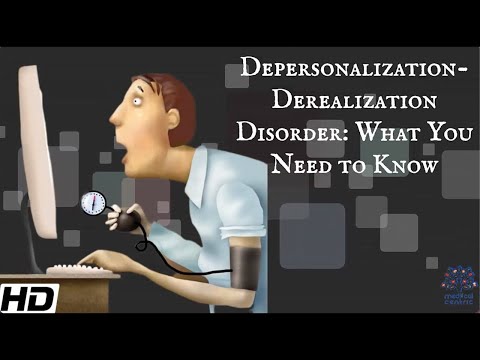
Hey! Have you ever felt, like, really spaced out?
You know, where everything feels kind of unreal? Like you’re watching your life from the outside?
That’s what depersonalization is all about. It’s a weird feeling, and trust me, you’re not alone if you’ve experienced it.
A lot of folks have moments when they feel disconnected from themselves or their surroundings. It can be super unsettling.
So, let’s chat a bit about what depersonalization really means and dive into those feelings. Sound good?
Understanding Depersonalization: A Comprehensive Guide to Its Psychological Definition
So, let’s chat about depersonalization. You might be wondering, what is that, right? Well, depersonalization is this really strange feeling where you sort of feel disconnected from yourself. Like, you might look in the mirror and feel like you’re seeing a stranger instead of yourself. It can be kind of unsettling, to say the least.
Imagine this: you’re at a party with friends, laughing and having a good time, but somewhere in the back of your mind, it feels like you’re watching everything happen from outside your body. It’s not just daydreaming or zoning out; it’s deeper than that.
In psychology terms, depersonalization is often classified as a symptom rather than a standalone disorder. It usually pops up during times of intense stress or anxiety. So understanding it means recognizing when it’s happening and what triggers it.
- Causes: Stress is a biggie! But trauma can also kick this off. Some people experience it after going through something super tough emotionally.
- Symptoms: You might have feelings of unreality or detachment from your thoughts and body. Sometimes people describe their surroundings as foggy or dreamlike.
- Dissociation: Depersonalization is part of a bigger picture called dissociation. This includes losing track of time or feeling disconnected from reality altogether.
This whole thing can last for seconds, hours—or even longer. And while some folks may just have short episodes now and then, others deal with chronic depersonalization which can seriously disrupt daily life.
If you’re dealing with this regularly, reaching out to someone like a therapist could really help make sense of those feelings. Talk therapy often works wonders by giving you tools to cope with those distressing moments.
Treatment-wise, sometimes medications can help if there’s an underlying issue like anxiety or depression magnifying the feelings of depersonalization. But remember: it’s crucial to get guidance from a professional before jumping into any treatments!
The thing to keep in mind? You’re not alone in this—many others experience depersonalization too. Just knowing that can sometimes take the edge off those creeping feelings!
If you ever find yourself drifting into that space where reality feels surreal, it’s important to ground yourself. Focus on what’s around you; maybe touch something solid—feeling textures can help bring you back!
This stuff isn’t easy to deal with but understanding what’s happening is the first step towards feeling more like yourself again.
Understanding Depersonalization: A Guide to Explaining the Experience
Understanding Depersonalization can feel a bit like watching your life through a foggy window. It’s that unsettling sensation where you feel disconnected from your body, thoughts, or even your surroundings. You might feel like you’re observing yourself, almost as if you’re in a movie. This experience can be disorienting and confusing, and it can happen to anyone at some point.
So, what exactly is depersonalization? Well, it’s categorized under dissociative disorders in psychology. When people experience depersonalization, they often describe feelings of detachment or unreality. You know how sometimes you daydream and feel distant from reality? Imagine that feeling cranked up to eleven.
Here are some key points about depersonalization:
- Frequency: It’s actually pretty common! Many folks will experience a moment or two of depersonalization in their lives.
- Triggers: It can be triggered by stress, anxiety, trauma, or even sleep deprivation. Stressful events might throw you into this state.
- Differentiation: Depersonalization is different from derealization. While depersonalization is about feeling detached from yourself, derealization involves feeling disconnected from the world around you.
- Persistence: For some people, it turns into chronic depersonalization-derealization disorder (DPDR). In those cases, the feelings can stick around for longer periods and interfere with daily life.
Imagine this: A friend of yours gets into a rough car accident but walks away with only a few scratches. The next day they’re out shopping but suddenly feels like they’re floating above themselves, watching their actions as if they aren’t really there. It’s freaky! That’s depersonalization in action—an intense emotional response to trauma.
Now look, it’s essential to understand that experiencing depersonalization doesn’t mean you’ve lost your mind or are going crazy. It’s more like your brain is trying to cope with overwhelming emotions or situations by temporarily stepping back from reality. Sometimes people describe it as “checking out” for their own mental safety.
Treatment options do exist if these feelings get too intense or frequent. Therapy plays a significant role here; cognitive-behavioral therapy (CBT) has shown promise in helping people manage symptoms by addressing negative thought patterns and increasing grounding techniques.
So yeah, understanding depersonalization involves recognizing that while it may feel isolating and strange, it’s just one of the ways our minds deal with intense experiences or stressors. By being aware of it and seeking help when needed—maybe talking to someone who gets it—you can start regaining control and reducing its impact on your life!
Understanding Depersonalization: Key Characteristics and Insights
Depersonalization can be a really tricky thing to wrap your head around. It’s like, one moment you’re just living life, and then suddenly you feel… off. You might feel disconnected from your thoughts, body, or surroundings, as if you’re observing yourself from the outside. Sounds strange, right? Let’s break it down.
So, what are the key characteristics of this experience? Here are some things to look out for:
- Unreal Feelings: You may feel like you’re in a dream or that everything around you is surreal. Imagine walking through your neighborhood but feeling like it doesn’t quite belong to you. It’s weird.
- Emotional Numbness: People often report feeling detached from their emotions or not being able to connect with what they’re feeling. Think about a time when something should have made you happy or sad, but it just didn’t hit you the same way.
- Physical Detachment: Sometimes, individuals can’t quite connect with their bodies—like watching yourself move without really feeling it. This can make even simple things feel odd and disconnected.
- Time Distortion: Some folks say that time feels weird; either it speeds up or slows down dramatically. It’s like living in a movie that’s been fast-forwarded.
Now, depersonalization isn’t its own stand-alone disorder; it often tags along with other mental health issues like anxiety and depression. You know how when you’re stressed out or overwhelmed, things can seem muddled? That could trigger feelings of depersonalization too.
Imagine Sarah – she was going through an intense period of stress at work and started feeling detached during conversations with her friends. She knew she was there physically but felt emotionally absent, almost like she was watching herself from afar. This left her confused and frustrated because she couldn’t shake off those feelings.
It’s also important to note that while occasional experiences of depersonalization can happen to pretty much anyone—especially during stressful moments—persistent derpersonalization might need some attention. That’s when it’s more than just a fleeting experience.
Most people experiencing these feelings find comfort in knowing they’re not alone; lots of folks deal with this too! Some strategies include grounding techniques—like focusing on your breath or engaging with your senses—because being present can help pull you back into reality.
Depersonalization is one of those quirky terms you might hear in a psychology class or even from a friend who’s into mental health. But what does it really mean? It’s not just some vague idea; it describes a real experience that can feel super unsettling. Imagine looking at yourself in the mirror and not recognizing the person staring back, or feeling like you’re watching your life unfold from a distance, like it’s all happening in a movie. That’s depersonalization for you.
You know, I have this friend who went through a really tough time after a bad breakup. She described feeling like she was just floating through her days—everything felt muted and unreal. It’s as if she wasn’t fully there, even though her physical body was going through the motions of life. That’s sort of what this condition is about: it’s as if your sense of self gets temporarily disconnected from the world around you.
In psychological terms, depersonalization can be part of something bigger. It often shows up in anxiety disorders, PTSD, or severe stress—like when your brain tries to protect itself by disconnecting from reality. The whole thing can feel pretty disorienting; you’re left questioning who you are and what’s real.
There are plenty of theories behind why depersonalization happens. Some folks think it’s tied to our coping mechanisms—that when life gets too real and overwhelming, our minds hit the brakes and say “Whoa there!” This isn’t some Hollywood script; these feelings affect real lives—yours or someone close to you.
When people experience depersonalization regularly, it might turn into depersonalization-derealization disorder (yeah, that’s a mouthful). It can be hard to navigate life when you’re living outside yourself most of the time. Folks dealing with this often need support to work through it—therapy can be super helpful because it gives them space to explore their experiences without judgment.
It’s important to remember that if you or someone you know is feeling this way, reaching out for help is key. You’re not alone in this! Understanding that these feelings aren’t just “in your head” but rather valid experiences can be incredibly liberating—and I mean that wholeheartedly.
So yeah, depersonalization might seem like one of those oddball terms at first glance but dig deeper, and you’ll realize it’s about something very human: navigating our complex emotions and understanding ourselves as we go through life’s ups and downs.