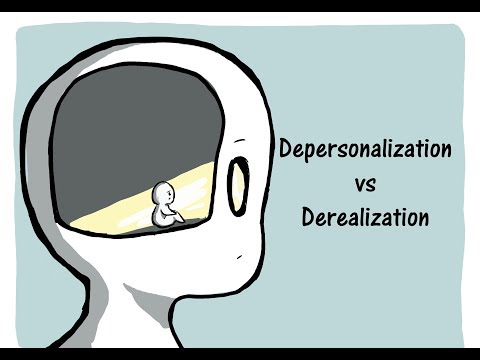
You know that feeling when you’re watching a really intense movie, and for a moment, it feels like you’re not really there? Like, you’re in the room but also kind of outside of it?
Well, that’s sort of what depersonalization feels like—only it’s way less fun. It can pop up during stressful times or, honestly, just hit out of nowhere.
Picture this: You’re at a family gathering. Everyone’s laughing and sharing stories, but inside your head, it’s like you’re floating above the chaos. Sounds weird, right?
But this is real for a lot of people. It can be super unsettling. So let’s chat about what it really is and how it fits into mental health stuff. You with me?
Understanding Depersonalization/Derealization Disorder: Symptoms, Causes, and Treatment Options
Understanding depersonalization and derealization can be a bit tricky. It’s one of those things that many people might experience at some point, but when it becomes frequent or intense, it could signal a disorder. So, let’s break down what’s going on here.
What is Depersonalization/Derealization Disorder?
This disorder basically messes with your sense of self and reality. You might feel disconnected from your own thoughts or body (that’s the depersonalization part) or feel like the world around you isn’t real (that’s derealization). Imagine you’re in a dream-like state where everything seems distant; that’s what folks often describe.
Symptoms:
The symptoms can be pretty unsettling. Here are some key ones:
- Feeling detached: It’s like watching yourself from outside your body.
- Sensations of unreality: The world seems foggy or distorted.
- Emotional numbness: You might not feel much joy, sadness, or anger.
- Memory issues: Sometimes memories feel hazy or hard to access.
You know, it’s kind of like when you’re so absorbed in a movie that you forget where you are for a moment? But imagine feeling that way about your own life—it’s disorienting.
Causes:
So, what brings this on? Well, there isn’t just one answer. Some common triggers include:
- Traumatic experiences: This could be anything from abuse to accidents.
- Anxiety and stress: High levels of anxiety can knock you into this state.
- Substance use: Certain drugs can actually induce these feelings too.
- Mental health conditions: Disorders like PTSD or depression may also play a role.
Think about it like this: if your brain feels overwhelmed by life events or stressors, it might create a protective buffer that ends up looking like depersonalization or derealization.
Treatment Options:
If you’re dealing with this stuff constantly, reaching out for help is super important. There are several approaches that can make things better:
- Cognitive Behavioral Therapy (CBT): This helps change negative thought patterns and encourages healthier ways to cope.
- Therapy options: Talk therapy can give space to explore feelings and bring understanding.
- Avoiding triggers: If certain situations make symptoms worse, finding ways to manage those can help.
- Meditation and grounding techniques: These practices aim to bring you back into the present moment. They can be surprisingly effective!
One friend of mine once shared how mindfulness helped her reconnect with her emotions after feeling detached for months. Just focusing on her breath helped ground her back to reality!
In short, while depersonalization/derealization disorder may feel isolating and confusing at times, support is out there. Whether through therapy or coping strategies—there’s definitely hope for a clearer path ahead!
Understanding Derealization vs. Depersonalization: Key Differences and Insights into Your Mental Health
Derealization and depersonalization are two terms that often get tossed around in conversations about mental health. And honestly? They can be pretty confusing, even for folks who are experiencing them. But they’re actually quite different, even though they share some similarities. Let’s break it down.
Derealization is when the world around you feels unreal or distorted. You might look at your surroundings and think, «This doesn’t feel like real life.» It’s like you’re watching everything through a foggy window. You know things are happening, but it feels as if you’re in a dream or an altered reality. For instance, you could be sitting in your living room, yet it seems like a scene from a movie rather than your own home.
On the other hand, depersonalization is more about how you feel about yourself. Imagine feeling detached from your body or thoughts—like you’re just observing yourself instead of being part of your own life. It’s not uncommon to hear someone say they feel like they’re on autopilot or watching their life play out from a distance. For example, you might be having a conversation with a friend but feeling like you’re not really there—that everything is happening to someone else.
Both experiences can pop up during times of high stress or anxiety. You know when life gets super overwhelming? Yeah, that can trigger derealization and depersonalization. Sometimes people might even experience both at the same time! It’s wild how our minds can separate us from reality in tough moments.
Now, let’s talk about some key differences:
- Focus: Derealization involves feeling disconnected from the world around you; depersonalization is about feeling disconnected from yourself.
- Perception: With derealization, objects may seem strange or distorted; with depersonalization, you might feel as if you’re observing your body and actions.
- Causation: Both can occur due to stress, trauma, or anxiety disorders but typically manifest differently based on individual experiences.
It’s not unusual to confuse them since they often occur together; however, recognizing which one you’re dealing with can help in managing those feelings more effectively.
If you’ve ever felt this way—or know someone who has—it’s important to remember that there’s no shame in seeking help. Many people don’t realize these sensations are part of mental health struggles until someone points it out. Maybe you’ve had that moment where you thought «Is this normal?» Trust me; it is more common than you’d think!
So here’s the thing: understanding the differences between derealization and depersonalization is crucial for addressing what you’re experiencing and finding ways to cope with those feelings while navigating through challenging times. Knowledge gives you power over your mental health journey!
Overcoming Depersonalization: My Journey to Finding Clarity and Connection
Depersonalization can feel like living in a fog. You know, like you’re watching your life unfold from outside your body. It’s unsettling, to say the least. Let’s break it down a bit.
What is depersonalization? It’s a type of dissociative experience where you might feel detached from your thoughts or body, almost like you’re in a dream. You’re there, but not really present. People often describe it as feeling robotic or emotionally numb.
I remember the first time I experienced this. I was sitting in my favorite café, sipping on my coffee, and suddenly I just felt… lost. The world around me seemed unreal. My friends were talking, but their voices felt muted and distant. It was terrifying!
A lot of times, anxiety or trauma triggers depersonalization. Maybe you’ve had a stressful event—like moving to a new city or losing someone close to you—that kicks this feeling into high gear.
How do people cope with it? Well, there’s no one-size-fits-all solution, but many find grounding techniques helpful:
- Mindfulness: Focusing on the present moment can really help pull you back into your body.
- Physical sensations: Touching something textured or cold (like ice) can remind you that you’re here.
- Breathe: Deep breathing exercises can help regulate emotions and bring clarity.
Therapy is another biggie when it comes to dealing with depersonalization. Cognitive-behavioral therapy (CBT) stands out among other approaches because it helps reframe negative thought patterns that may contribute to these feelings.
Sometimes, people also find support groups helpful—talking with others who get what you’re going through can be such a relief! Sharing experiences makes everything feel a little less isolating.
You might wonder if medication helps too. Some find that certain antidepressants or anti-anxiety medications work for them—but everyone’s different! Finding what works for you often takes time and patience.
Overcoming depersonalization is totally possible; many folks have walked that path before you! It’s all about finding tools that resonate with you and being open to exploring new avenues of healing.
Remember: finding clarity and connection takes effort, but each step forward counts! Emotions are complex, and it’s important to honor them as part of your journey back home to yourself.
Depersonalization can be a pretty wild experience. Imagine feeling like you’re watching your life from the outside, like you’re in a movie and not really part of it. It’s kind of unsettling. You might catch yourself thinking, “Is this really me?” or “Am I even here?” It’s no wonder that depersonalization can be alarming when it shows up.
A buddy of mine had a rough patch where he dealt with depersonalization after an intense period of stress. He’d go on with his day, doing normal stuff like grabbing coffee or hanging with friends, but felt strangely disconnected from everything. He told me how it was like standing behind a glass wall, seeing life but not feeling it. Super frustrating, right? He wanted to engage but couldn’t shake that surreal sensation.
In the mental health world, depersonalization is often linked to anxiety or trauma. Basically, it’s your brain’s way of coping with overwhelming emotions by sort of… checking out for a bit. It’s not exactly fun and games; it can be quite distressing. You know how sometimes you zone out during a boring lecture? This is more intense though—like your mind just says “peace out” when things get tough.
You might also hear about something called «depersonalization-derealization disorder.» Sounds all fancy, huh? But it’s really just when those feelings stick around long enough to mess with your daily life. People may find it hard to connect with others or even remember parts of their day since they’re constantly in this state of being unmoored from reality.
Therapy can help tons—especially talking through what triggers these feelings or learning some grounding techniques to bring you back into the moment. It’s like finding your feet again after floating away for too long! And while medications aren’t always the answer for everyone, some folks find they help lessen anxiety and make those depersonalized moments less frequent.
Even if depersonalization feels really isolating or scary at times, you’re definitely not alone in this experience. Just remember: reaching out for support can make all the difference! Your feelings are valid; they matter.
So yeah, if you ever feel detached or weirded out by your own thoughts and experiences, know that there’s help out there and folks who totally get what you’re going through!