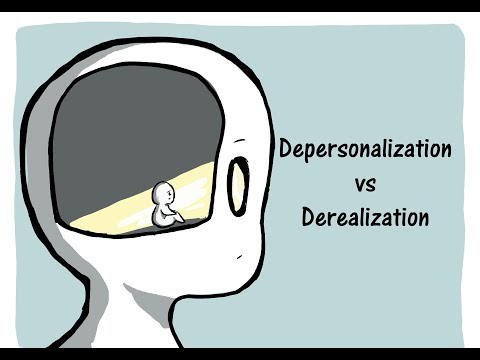
You know those days when you feel like you’re just… not really there? Like you’re watching life from behind a glass wall? That’s kinda what depersonalization feels like.
It can be unsettling, right? You’re present but not really. It’s like your mind is on a different planet while your body’s stuck here.
So, let’s chat about this strange experience. Many might think it’s just a weird quirk of the mind, but there’s more to it—especially when you throw spirituality into the mix.
Ever wonder how our sense of self connects with something bigger? Or the ways these feelings can shift our perspective on life? Stick around, and let’s unravel this together.
Exploring the Spiritual Causes of Depersonalization: Understanding Your Inner Self
Depersonalization can feel like you’re living in a movie, right? You might look in the mirror and not recognize yourself. It’s weird and unsettling. What’s tucked behind this experience often relates to your inner self and, for some, even spiritual matters.
What is Depersonalization?
So, let’s break it down. It’s part of a larger group of experiences known as dissociation. Basically, that means you feel detached from your thoughts, feelings, or sense of identity. While it can happen due to stress or trauma, it might also have spiritual causes.
The Spiritual Angle
Exploring the spiritual aspects of depersonalization can open up new pathways to understanding. People often describe feeling disconnected from their true selves during deep emotional upheavals or existential crises. This disconnect may signal unresolved issues within your spirit or soul.
Inner Conflicts
A lot of times, we ignore our inner conflicts. Think about it: if you’re not being true to who you are—like holding back your feelings or following someone else’s path—it can create tension inside you. This tension sometimes manifests as depersonalization. When you’re at odds with yourself spiritually, it makes sense that you’d feel out of touch with reality.
Spiritual Awakening
Sometimes depersonalization shows up when someone goes through a significant spiritual awakening. Imagine waking up one day feeling like everything is different—you start questioning your life choices and beliefs. While this journey can be enlightening, it might also push your mind into states where depersonalization crops up as a way to cope with all the change.
Coping Strategies
If you’re experiencing this kind of dissociation linked to spirituality, finding ways to reconnect with yourself is crucial. Here are some things you could try:
- Meditation: This practice helps ground you by focusing on the present moment.
- Journaling: Writing down your thoughts tackles those inner conflicts head-on.
- Nature Walks: Being outdoors can help you reconnect with the world around you.
- Spiritual Practices: Engaging in rituals or practices that resonate with your beliefs can bridge gaps between where you’re at emotionally and spiritually.
The thing is, these practices aren’t just about calming down; they help build awareness and compassion towards yourself—two things that dissolve depersonalization over time.
The Journey Forward
Remember that exploring these themes isn’t about labeling experiences but rather finding meaning in them. Depersonalization might seem like a wall separating you from yourself; just know it can also be a doorway leading to deeper self-understanding and healing.
In the end, tuning into those spiritual dimensions could lead to more than just relief from depersonalization; it may guide you toward discovering who you’ve always been meant to be.
Understanding the Root Causes of Depersonalization: Insights and Implications
Depersonalization can feel like you’re living in a bubble, as if your thoughts and experiences don’t really belong to you. It’s unsettling, to say the least. This phenomenon often pops up in times of stress or trauma, but what really gets under the skin is understanding **why** it happens in the first place.
First off, let’s chat about **stress and anxiety**. When life gets overwhelming—say, a tough breakup or job loss—your brain may kick into survival mode. You literally distance yourself from emotions as a way to cope. It’s like putting on a pair of sunglasses to block out bright light; you’re just trying to manage the intensity.
Then there’s **trauma**. Picture this: someone goes through something horrific, like an accident or abuse. The mind creates a shield, making you feel disconnected from that pain. It’s a protective measure, even if it feels awful later on. You might catch yourself thinking things like “That didn’t happen to me,” when it actually did.
Another critical player here is **depression**. Feelings of emptiness can lead to that all-too-familiar sense of detachment. If you wake up feeling like a ghost in your own life, it could be the depression whispering nasty things in your ear—making everything seem flat and uninteresting.
Okay, now let’s not forget **spiritual dimensions**. For some people, experiencing depersonalization can feel like losing touch with their sense of self or spirituality—whatever that means for them. It might leave them questioning deeper aspects of their identity and purpose.
Consider this: when someone feels disconnected from themselves spiritually or emotionally—it may lead them down an existential rabbit hole. They might start pondering big questions: “Who am I? Why am I here?” This kind of exploration doesn’t just add layers to their experience; it can also aggravate feelings of depersonalization because without that connection, everything feels blurry and distant.
So what do we do with these insights? Understanding root causes is key for healing! Here are some implications:
- Therapy can be super helpful—like talking through trauma or working on grounding techniques.
- Practices such as mindfulness and meditation may help reconnect you with your body and surroundings.
- Building limits around stressors can prevent overload; think little breaks throughout your day.
- Exploring spirituality, however that looks for you—whether it’s religion or nature walks—might help restore meaning.
Remember though: everyone’s journey is different! What works wonders for one person might not do much for another—for instance, some find meditation calming while others prefer physical activity.
In short, understanding depersonalization isn’t just about naming it; it’s about digging deep into how life experiences shape our minds and bodies. Getting back into your skin—or at least trying—isn’t easy but taking small steps can help bridge that gap between feeling lost and finding yourself again.
Overcoming Depersonalization: My Personal Journey to Recovery and Healing
Overcoming depersonalization can feel like a wild ride through a foggy landscape. There are days when you’re just floating around, feeling disconnected from your own body and thoughts. I’ve been there, so let me share a bit about that journey.
At first, depersonalization was like wearing someone else’s glasses—everything looked weird, distorted. You know that moment when you look in the mirror and feel like you’re staring at a stranger? Yeah, it was like that. It hit me during stressful times—sometimes it felt triggered by anxiety or trauma, other times it seemed to come out of nowhere.
Understanding what depersonalization is helped me a lot. Essentially, it’s this sensation where you feel detached from yourself, almost like you’re observing your life from a distance. It’s not uncommon for people dealing with mental health issues to experience this. So if you’re feeling this way too, remember—you’re not alone.
In my case, connecting the dots between spirituality and my experiences turned out to be crucial for recovery. I started exploring mindfulness and meditation—just sitting quietly with my thoughts and feelings instead of running from them. That’s where the real magic happened! It’s as if I started to tune into myself again.
- Practice grounding techniques: These helped me reconnect with my environment. Simple things like focusing on my breath or feeling the ground beneath my feet worked wonders.
- Telling my story: Opening up about how I felt made me realize that many others were stuck in similar boats. Sharing experiences can be healing.
- Cultivating self-compassion: Learning to be kind to myself was huge. Instead of beating myself up for feeling strange, I learned to treat myself as gently as I’d treat a friend.
Therapy was also a key part of the puzzle for me. Finding someone who understood depersonalization made such a difference! It’s not just talking; it’s about uncovering layers of what leads us down these paths of disconnection.
Additionally, embracing creativity was pretty eye-opening too! Whether it’s painting or writing—anything that let me express those bottled-up feelings gave me space to breathe again.
Gradually, the fog began to lift; I found moments where things felt clearer and more vibrant instead of muted and distant—it was liberating!
So if you’re navigating this rocky terrain yourself, just know: recovery is possible. With patience and some willingness to explore both mental and spiritual dimensions of your experiences can lead you toward healing roads where connection awaits you once again!
Depersonalization can be a really strange experience, honestly. Imagine feeling like you’re watching yourself from outside your body or, like, everything around you feels unreal. It’s unsettling, right? It’s more common than you might think, especially for people dealing with anxiety, trauma, or really intense stress. But there’s this interesting layer to depersonalization that we don’t always consider: the spiritual side of it.
When you’re in that headspace where things feel disconnected or foggy, it can almost stir up some big existential questions. Like, who am I really? What does it mean to “feel” alive? You see, for some folks, this disconnection isn’t just a mental hiccup. It becomes a moment of reckoning—a chance to explore deeper beliefs about themselves and their purpose in life.
I remember chatting with a friend who went through a rough patch with depersonalization after losing someone close. They described feeling detached from everything—including their own body—like they were floating through life. But during that time of unease, they started seeking answers in spirituality. They explored mindfulness and meditation as tools to ground themselves and reconnect with their essence. Something about focusing on the present moment helped them find clarity amidst the chaos.
So there’s this dual nature here: on one hand, we have a mental health challenge that feels isolating and bizarre; on the other hand, there’s an opportunity for growth and understanding of a more profound self. People often search for meaning when facing feelings that confuse or frighten them.
Of course, everyone’s experience is different. Some might lean into these spiritual dimensions while others may find solace in traditional therapy or medication—for instance, using talk therapy to unpack those feelings along with coping strategies.
But the thing is—it’s all interconnected. Whether it’s mental health practices or spiritual explorations, they both offer windows into understanding ourselves better—even when things feel out of reach.
You know what strikes me? The way our inner worlds can shift dramatically within moments. One second you’re lost in your thoughts; the next you’re contemplating existence itself! That push-and-pull dynamic can be exhausting but also opens up paths toward healing and strengthening our sense of self.
In essence, if you’re navigating depersonalization or any challenging emotional state right now—don’t shy away from exploring those deeper questions that arise with it. You might just find something valuable waiting for you there!