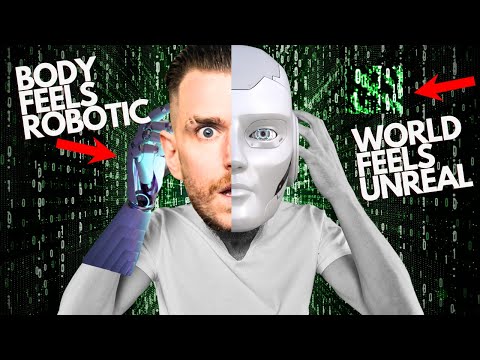
You ever feel like you’re kind of just…floating? Like, everything around you isn’t quite real? That’s what a lot of people describe when they’re dealing with depersonalization. It’s this weird sensation where you feel disconnected from yourself or your surroundings.
I mean, it’s not just you, alright? Seriously, tons of folks are sharing their experiences on Reddit. Some moments are like a scene from a movie—everything feels distant or blurry. You’re there, but not really, you know?
It’s wild how many different ways people talk about it. Some find comfort in knowing they’re not alone, while others are just trying to make sense of what’s happening. So let’s chat about those stories and dive into what it really means for mental health. Trust me, it’s gonna be eye-opening!
Understanding Depersonalization: Key Mental Illnesses Linked to This Phenomenon
Depersonalization is one of those terms that might sound complicated, but it’s a real experience for many people. Basically, it’s when you feel disconnected from your own body or thoughts. Imagine looking at yourself in a mirror and feeling like you’re not really you. That can be unsettling, right?
There are some key mental illnesses linked to depersonalization, and understanding these can help make sense of what someone might be going through.
- Depersonalization-Derealization Disorder (DPDR): This is where the phenomenon is persistent and distressing. People with DPDR may feel like they’re living in a dream or watching their life from outside their body. It can be super frustrating because they know it’s not real, but the feeling won’t go away.
- Anxiety Disorders: High levels of anxiety often trigger depersonalization. When you’re overwhelmed with fear or nervousness—like before giving a big presentation—you might start to feel that dissociation as a defense mechanism. Your brain’s way of saying, «Whoa, let’s take a step back!”
- PTSD: Those who have experienced trauma sometimes deal with depersonalization as part of their symptoms. It’s like your mind is trying to protect you by creating this gap between you and your painful memories.
- Substance Use: Certain drugs can also bring on feelings of depersonalization. For example, marijuana or hallucinogens can distort your reality in ways that make you feel detached from yourself.
- Severe Depression: Some folks dealing with major depressive episodes also experience depersonalization. The heavy weight of sadness can shift your perception so much that you almost feel alienated from who you are.
The thing is, depersonalization isn’t just about feeling “out of it.” It can seriously impact daily life—like making it hard to connect with others or even enjoy things you used to love.
I remember chatting with a friend who was grappling with this stuff after her parents divorced. She described moments where she’d sit at family dinners but felt like she was watching herself from above instead of participating in the conversation. It’s kind of haunting when you think about how isolating that must feel.
If you’re reading this and relate to what I’m saying, just know you’re not alone! Many people share their experiences online, even on places like Reddit where communities come together to talk about these feelings openly.
You deserve support if this has touched your life in some way! Reaching out—maybe to a therapist or someone who gets it—can really help ground those feelings and work through what’s happening in your mind.
Overcoming Depersonalization: My Personal Journey and Insights from Reddit
So, let’s talk about depersonalization. If you’ve ever felt like you’re just kind of floating through life, like everything’s a movie and you’re just an observer, that’s what it can feel like. I know this first-hand because I went through it myself. It was a wild ride, but in hindsight, I learned a lot from my experience—and what I found on Reddit helped me too.
First off, depersonalization is often described as a feeling of detachment. You might feel disconnected from your body or think your surroundings aren’t real. When I first experienced it, everything felt surreal. Like when you wake up from a weird dream, and you’re still trying to figure out what’s going on. One user on Reddit shared that they felt like they were watching their life on TV—totally relatable!
People experiencing depersonalization might notice some common symptoms. Some of these include:
- Feeling detached from thoughts or feelings.
- A sense of unreality about the world.
- Feeling numb or emotionally flat.
Honestly, these symptoms can be really scary. You might start questioning your sanity or worry that this is how things will be forever—and trust me, I’ve been there too.
Now let’s talk about recovery because that’s the good part! My personal journey included therapy and community support. Talking to professionals helped me understand what’s going on in my brain. But here’s the kicker: Reddit was like this spontaneous support group where people shared their stories.
I found one thread where someone posted their coping strategies:
- Grounding techniques: They mentioned focusing on your senses—like feeling the texture of an object or listening to sounds around you.
- Mindfulness practices: Others suggested meditation to stay present in the moment.
- Your support system: A lot of folks emphasized talking about your feelings with trusted friends or family.
What really struck me was how much community matters when battling something like this. Knowing you’re not alone can lighten the load.
As for medications? Some people mentioned they had success with certain types of meds to manage their symptoms better—but remember, everyone is different! It’s super important to discuss any options with a healthcare provider who knows what they’re doing.
Through my journey and all those stories shared online, one thing became clear: overcoming depersonalization isn’t just about fixing what’s broken; it’s more about finding ways to reconnect with yourself and your reality again. For me, it took time—like really taking time—and being patient with myself was crucial.
In summation (not that we’re wrapping things up just yet), if you’re feeling stuck in that weird space of depersonalization? Don’t hesitate to reach out for help and explore what works for you—whether it’s therapy, community support online like Reddit threads, or grounding exercises. You’re definitely not alone in this!
Real DPDR Recovery Stories: Insights and Support from Reddit Community
The topic of Depersonalization-Derealization Disorder (DPDR) can feel really isolating. It’s like you’re on the outside looking in at your own life, and that can be tough. If you’ve ever hopped onto Reddit, you might have come across some powerful stories from real people sharing their experiences with DPDR.
Many folks describe that moment when it first hits them. You know, like when everything feels surreal? One user shared how they were at a family gathering, laughing and talking, but something felt off. They looked around and thought, “This isn’t real.” That disconnection is a common symptom. It’s wild how quickly that feeling can pop up.
A lot of the Reddit community opens up about the constant fear surrounding these feelings. “What if this never goes away?” That thought races through so many minds. The uncertainty is exhausting—like running a marathon where the finish line keeps moving further away.
But here’s something cool: recovery stories are everywhere in these threads! People post about their ups and downs with DPDR and how they found ways to cope. They often mention therapy as a game-changer; speaking to someone who gets it can make all the difference.
Support systems seem to play a huge role in recovery too. Many users talk about how friends or family helped them ground themselves during tough times. A guy described how his buddy reminded him to notice small details around him—like the texture of a wall or the sound of leaves rustling—which helped pull him back into reality.
Therapy is often mentioned as part of their journey as well. Cognitive Behavioral Therapy (CBT) comes up quite a bit because it focuses on shifting negative thought patterns. One woman shared her experience with mindfulness techniques from therapy, saying it was like flipping a switch for her mindset.
You’ll also see some practical tips sprinkled throughout these discussions:
- Journaling your feelings
- Practicing deep breathing exercises
- Engaging in grounding techniques, like holding onto something familiar
These aren’t just random suggestions; people genuinely find relief through them! It’s interesting how something simple can pull you back into your body when it feels like you’ve drifted away.
One thing that stands out is how the community emphasizes patience in recovery. Someone once said it’s like learning to ride a bike again after falling off—rough at first but doable with time and practice.
From reading through those experiences, it’s clear: there’s no one-size-fits-all recovery path for DPDR. Everyone’s journey is unique, with its own challenges and victories along the way.
So if you’re struggling or know someone who is, remember—you’re not alone in this! Those Reddit posts show real resilience and hope from folks navigating DPDR together. They remind us that healing takes time but can definitely happen with support and understanding—all while giving each other strength along the way!
You know, if you spend a bit of time scrolling through Reddit, you’ll stumble upon some pretty intense conversations about mental health. One topic that pops up is depersonalization. It’s like this strange feeling where you kind of step outside your body, or everything around you seems unreal, almost like you’re in a movie. Scary stuff, right?
I remember one post where someone described it like they were watching their life from the sidelines. They shared how it felt so overwhelming and isolating, like they were trapped inside their own head while the world carried on without them. That kind of thing just hits differently when you realize there are other folks feeling the same way. It’s both comforting and heartbreaking.
People often share how they first experienced depersonalization during stressful times—like after a tough breakup or when juggling school and work. Suddenly, the world seems blurry, colors fade a bit, and emotions feel muted. It’s like being in this foggy cloud where nothing feels quite right.
And these shared experiences can help bridge that feeling of isolation. You read about different coping strategies—some people find grounding techniques helpful, while others talk about how therapy gave them tools to manage their symptoms better. Just knowing there’s a community out there can make all the difference.
But here’s the kicker: while it’s good to see others talking about it and sharing their stories, there’s still so much misunderstanding about depersonalization in wider society. People often think it’s just anxiety or stress, but it can be way more complex than that.
So yeah, Reddit is this wild mix of support and raw honesty when it comes to mental health topics like depersonalization. You see vulnerability on display with folks baring their souls and figuring out together what works for them—or at least trying to figure things out! The journey might be messy but sharing these moments? That’s powerful stuff right there!