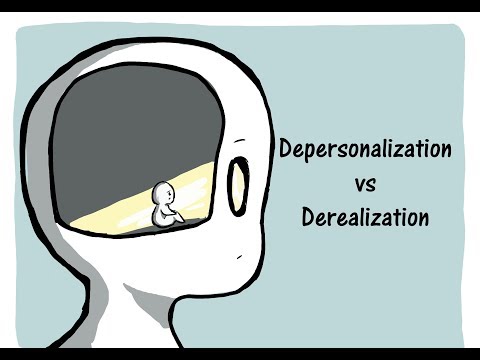
Hey! So, let’s talk about something that can feel, well, really strange: depersonalization. You know, that feeling when you’re kinda there but also not really there? Like you’re watching your life from the outside. Super weird, right?
Imagine hanging out at a party with friends. Everyone’s laughing and chatting. But instead of feeling in the moment, it’s like you’re floating a few feet above, watching it all unfold. It’s unsettling. Seriously.
A lot of people experience this at some point. Some might not even think much of it, while for others, it can be more intense and persistent. So, what gives? Why does this happen?
Let’s dig into the emotional rollercoaster that comes with depersonalization and what psychologists think about it. You ready?
Understanding Derealization: Causes, Symptoms, and Coping Strategies for Mental Well-Being
Derealization can feel super strange, and it’s not something most people know a whole lot about. Basically, it makes you feel like the world around you isn’t real or somehow distorted. You might feel like you’re in a dream, and everything’s kind of hazy or blurry.
So, let’s break down what causes this unwelcome feeling. Stress is one major culprit. Imagine you’ve just aced a big exam, but the aftermath leaves you feeling oddly detached. That’s your mind trying to cope with overwhelming emotions. Other triggers can include:
- Trauma: Going through something really scary can lead your brain to create this sense of unreality.
- Anxiety: High levels of anxiety can make everything feel surreal—like you’re watching your life from a distance.
- Substance use: Using drugs or alcohol can mess with your perception and create feelings of derealization.
- Mood disorders: Conditions such as depression may also play a role in how connected you feel to the outside world.
The symptoms of derealization are pretty unsettling. You might experience things like:
- A persistent feeling that your surroundings aren’t real.
- Visual distortions—things might look warped or off.
- A sense that time is slowing down or speeding up.
- A feeling of detachment from your body (which is more known as depersonalization).
Now, let’s talk about coping strategies because honestly, dealing with derealization isn’t easy.
First off, grounding techniques are super useful. They help bring you back to reality when things feel weird. You could try focusing on what’s around you: notice colors, sounds, textures—anything that connects you to the present moment.
Another approach is practicing mindfulness or meditation. This sounds fancy but it really just means being aware of your thoughts and feelings without judging them too harshly. Even taking deep breaths can help calm those racing thoughts.
And don’t forget about talking to someone! A therapist or counselor can guide you through these feelings and help make sense of them. Sharing experiences with people close to you might also ease some of that heavy weight.
Just remember that experiencing derealization doesn’t define who you are. It’s like getting temporarily lost in a video game for a bit—you can always find your way back!
Understanding Derealization vs. Depersonalization: Key Differences and Insights
Derealization and depersonalization are two terms people often mix up, but they’re actually pretty distinct experiences. Both can feel really weird, almost like you’re not fully in your body or your surroundings aren’t what they seem. Let’s break it down together.
Derealization is this feeling where the world around you seems off. You might feel like you’re watching life through a foggy window. Things might look unreal or distorted, like colors are super bright or sounds don’t match up with what’s happening. Imagine walking down a familiar street but feeling like you’ve stepped into a movie set instead of reality. Trippy, right?
On the other hand, depersonalization is more internal. It’s that sensation of being disconnected from yourself. You might feel like you’re on autopilot or observing your life from outside your body. Like, you’re doing things—eating, talking—but it feels as if you’re just a spectator in your own life. A friend once told me that during her first panic attack, she felt completely detached from her own emotions—it was super unsettling.
Both experiences can be triggered by anxiety, stress, trauma, or even exhaustion. So if you’ve ever felt this way after a tough week or an overwhelming situation, you’re definitely not alone.
Now let’s get into some key differences:
- Reality vs Self: Derealization messes with your perception of the outside world; depersonalization messes with how you view yourself.
- Visual distortion vs Emotional disconnection: With derealization, things might look off; with depersonalization, it’s about feeling disconnected from your feelings.
- Triggers: While both experiences can stem from similar triggers like stress or anxiety, they manifest differently in everyday life.
In essence, understanding these differences helps when talking about mental health issues with friends or professionals. You know how sometimes just having a word for what you’re feeling makes it easier to cope? That’s pretty much the case here!
If you ever find yourself grappling with either of these feelings for an extended time, reaching out for support is key—and totally okay! They can be distressing and affect how we navigate life day-to-day.
So next time someone mentions derealization or depersonalization, you’ll have a clearer picture of what they mean—and that’ll go a long way toward helping them feel seen and understood!
Understanding Depersonalization and Derealization Disorder: Symptoms, Causes, and Treatment Options
Depersonalization and derealization disorder can feel pretty disorienting, you know? Imagine going through life feeling like you’re watching yourself in a movie instead of actually living it. People often describe it as feeling detached from their own thoughts or body or even feeling that the world around them isn’t real. It’s a strange mix, right?
Symptoms can vary quite a bit, but the most common ones include:
A friend of mine once said that during his worst moments with depersonalization, he felt like he was floating above himself, looking down at everything—like he was just a spectator in his own life. That can be super unsettling!
Now, you might be wondering what causes this whole thing. Well, that’s not always easy to pin down. Some possible causes could include:
For some folks, it’s like their brain is trying to protect them from what’s happening around them by creating this detachment. Others may find it kicks in during extreme stress or anxiety episodes.
When it comes to Treatment Options, there’s no one-size-fits-all answer, but there are paths you can take that have helped many people:
Therapists usually work with clients to dig into what triggers these feelings and develop coping strategies to handle it when things get tough.
Look, if you’ve ever felt this way or know someone who has, just know you’re not alone. Reaching out for help can make a world of difference in managing those pesky symptoms and leading a fulfilling life again.
Depersonalization is one of those things that can totally mess with your head. Picture this: you’re sitting in a coffee shop, sipping on your favorite drink, but it feels like you’re watching yourself from the outside. You’re there, but you’re not really there, you know? That’s what it’s like for someone experiencing depersonalization. It’s a kind of disconnect from yourself—your thoughts, feelings, or even your body. And honestly, it can be pretty unsettling.
So, what’s going on in the brain when this happens? Well, depersonalization often pops up during times of stress or anxiety. It’s like your brain decides to put up a shield to protect you from overwhelming emotions or traumatic memories. The thing is, while this might feel like a safety net at the moment, it can lead to a whole lot of confusion and distress.
For some people, this sense of detachment might just be temporary—a fleeting moment where they feel out of touch with reality. Others might find that these feelings linger for months or even years. Imagine how frustrating that must be! Like being stuck in this fog where everything seems unreal.
A friend told me about their experience with depersonalization after a really tough time in their life. They described it as if they were living in a video game—their surroundings looked real and vivid but felt distant and unimportant. They struggled to connect with themselves and often felt like an observer rather than a participant in their own life.
From a psychological perspective, assessing depersonalization involves understanding its root causes and seeing how it fits into the broader picture of someone’s mental health. Therapists often dig deep into those past traumas or underlying anxieties that might trigger these feelings. And sometimes treatment includes cognitive-behavioral therapy (CBT), which helps people reframe their thoughts and regain that sense of connection.
The tricky part is recognizing when it’s simply an occasional experience versus something more severe that needs attention. If you’re feeling disconnected regularly or it’s interfering with daily life—like work or relationships—you definitely want to consider reaching out for help.
In the end, assessing depersonalization isn’t just about identifying symptoms; it’s about making sense of your emotional tapestry and finding ways to reconnect with yourself fully. It’s all about getting back into your body and mind instead of being just an observer floating by in life!