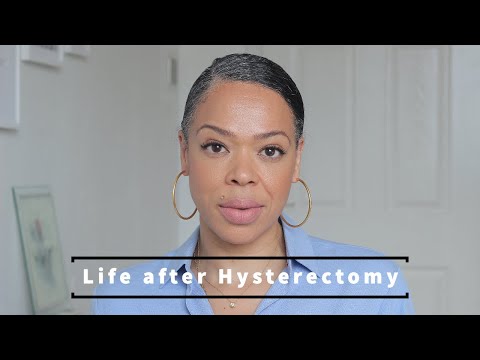
You just had a hysterectomy? Wow, that’s a big deal.
You might be feeling all over the place emotionally. Seriously, it’s totally normal.
One minute you’re okay, and the next you’re hitting a wall of sadness or anxiety. It can feel like being on an emotional rollercoaster.
That’s the thing with surgery—there’s the physical recovery, but then there’s this whole other side to it: what happens inside your head and heart.
Look, I get it. It might feel like no one really talks about this stuff openly. You’re not alone in this journey, though!
Let’s chat about what to expect emotionally after your surgery and how to navigate those changes. Sound good?
The Mental Health Impact of Hysterectomy: Understanding Women’s Emotional Wellbeing
Going through a hysterectomy can be a pretty major life event for many women. It’s not just a physical change; there are emotional waves that come crashing in, too. Your body and mind kinda have to adapt to this new reality, and it can stir up all sorts of feelings.
First off, let’s talk about what a hysterectomy actually is. It’s basically a surgical procedure to remove the uterus. Sometimes the ovaries are taken out too, which can trigger early menopause if you’re still relatively young. The emotional fallout from this kind of surgery can range widely among women. Some might feel relief, especially if they had conditions like endometriosis or fibroids causing pain or heavy bleeding before the surgery. But for others? Things might get rocky.
One big concern is the hormonal changes that happen post-surgery, particularly if your ovaries are removed. You know how hormones play such a huge role in regulating mood? Well, with sudden drops in estrogen and progesterone, you might experience things like anxiety or depression more intensely than before.
Also, there’s the feeling of loss that can creep in—loss of fertility and sometimes even loss of identity as a woman. Take Sarah’s story, for instance. After her hysterectomy at 32 due to severe endometriosis, she felt like she lost a part of herself. “I didn’t just lose my uterus,” she said; “I lost my future kids.” That sense of grief surprised her and lingered long after the surgery.
Now let’s break down some key points about mental health post-hysterectomy:
- Grief and Loss: It’s completely normal to mourn what you’ve lost—be it your ability to have children or just the changes in your body.
- Anxiety and Depression: Hormonal shifts might lead to feelings of sadness or anxiousness; they can feel more pronounced right after surgery.
- Body Image Issues: Changes in how you perceive your body may affect your self-esteem.
- Support Systems: Having friends or family who understand can really help ease emotional burdens.
- Therapy Can Help: Speaking with a therapist who understands women’s health issues can provide valuable coping strategies.
The thing is, emotional responses aren’t one-size-fits-all; it varies from person to person. You might find yourself feeling empowered after making this choice for your health! But on another day? You could feel overwhelmed by sadness or confusion.
If you’re dealing with emotional challenges post-hysterectomy, please don’t hesitate to reach out for help—whether it’s talking to loved ones or seeking professional guidance. Remember, as tough as it feels now, there are ways forward that don’t have to feel so heavy all the time.
Basically, it comes down to being kind to yourself through this process and recognizing that it’s not just about healing physically but emotionally too. You’re navigating a whole new chapter—and that takes time!
Exploring Quality of Life Improvements After Hysterectomy: A Comprehensive Look
After a hysterectomy, many people notice some pretty significant changes in their quality of life. The thing is, this surgery can lead to both physical and emotional shifts. So, let’s chat about what you might expect on this journey.
First off, physical relief often tops the list of improvements after the surgery. If you’ve been dealing with painful fibroids or heavy periods, getting rid of your uterus can be a huge relief. Picture finally being able to play with your kids without worrying about cramps or discomfort—it’s liberating, right? A lot of people report feeling lighter and more active post-surgery.
But hey, it’s not all sunshine and rainbows. Emotional changes are just as important to consider. Some folks feel a sense of loss or sadness after the procedure. It’s like saying goodbye to a part of yourself that held so much history and connection. You could feel like you’ve lost something essential, even if it was causing problems before.
Then there’s the hormonal aspect. If your ovaries are removed too, that can kick off menopause right away—hello hot flashes! Your body’s adjusting can affect your mood and energy levels. You might feel irritable or experience some mood swings as you navigate these new changes in your hormones.
Now let’s talk about sexuality—it’s a big topic! Many people wonder how hysterectomy will impact their sex life. While some find that physical comfort improves intimacy (seriously, no more pain during sex), others might face anxiety about their body image or just how things feel afterward. This is totally normal; talking with your partner about feelings can really help.
Another key point is social connections. Some individuals find that once they’re no longer dealing with painful symptoms, they’re more inclined to engage in activities they love or spend time with friends and family. Reconnecting socially can boost your overall happiness—and who doesn’t love having fun again?
And let’s not forget about self-care! After surgery is the perfect time to focus on you! Lots of folks say they start paying attention to nutrition and exercise more seriously post-hysterectomy since they’re feeling better physically overall.
Lastly, consider seeking support groups where you can share experiences with others going through similar situations. Hearing “me too” from someone else makes a world of difference—suddenly you’re not alone in this emotional rollercoaster!
In summary,
,
,
,
, and
all play a role in how quality of life shifts after a hysterectomy. So while there are challenges ahead for sure, there’s also plenty of room for growth and renewal along the way!
Exploring the Link Between Hysterectomy and Bipolar Disorder: What You Need to Know
The connection between hysterectomy and bipolar disorder is a complex topic. It’s important to understand how significant life changes, like surgery, can impact mental health.
When someone undergoes a hysterectomy, which is the surgical removal of the uterus, a lot can change. This procedure might be needed for various reasons—like fibroids, endometriosis, or even cancer. But with such a major operation comes not just physical recovery but emotional shifts too.
After a hysterectomy, many people experience hormonal changes. When your ovaries don’t produce hormones like estrogen and progesterone as they used to, it can lead to mood swings. If you’ve ever felt cranky around your period or during menopause, you might relate. The thing is, for someone with bipolar disorder—who may already experience intense mood fluctuations—these hormonal changes could intensify those feelings.
Here are some key points to consider:
- Emotional responses vary: Everyone reacts differently to surgical procedures. Some might feel relief while others face anxiety or depression.
- Bipolar disorder symptoms: Symptoms can shift post-surgery due to both hormonal and emotional changes.
- Lack of support: Navigating recovery alone can be tough. Connecting with friends or support groups makes a difference.
Imagine going through all this without anyone around to talk things over with. A friend of mine had a hysterectomy and felt completely overwhelmed afterward; her emotional lows were deeper than what she’d experienced before. She hadn’t realized how much the procedure would drain her—not just physically but emotionally too.
Now, let’s touch on something else: medication adjustments. Sometimes after a major surgery like this, doctors may need to tweak any ongoing medications for mental health issues. You know how it goes—you could be feeling stable with your meds one day and then post-surgery find yourself in an emotional whirlwind because the drugs aren’t interacting well with your changing body chemistry anymore.
Another point? Therapies can help. Therapy isn’t just beneficial before surgery; it remains crucial after as well! Staying engaged with a therapist during recovery offers you coping strategies for managing mood swings or anxiety triggers that flare up during this time.
In short, if you’re facing this kind of journey—whether it’s for yourself or someone close—it’ll help immensely to stay informed about these changes that life brings along with it. Remember: you’re not alone in navigating these emotional waters post-hysterectomy; many others are sailing them too!
So, let’s talk about navigating the emotional rollercoaster that can happen after a hysterectomy. You know, when someone you care about goes through a major life change like this, it’s not just their body that’s affected. It can feel like you’ve just gone through a whole storm of feelings, right?
Imagine for a second: maybe you had a friend named Lisa. She was always the life of the party—full of energy and laughter. Then she got a hysterectomy. She thought she’d feel relieved and ready to move on with her life—goodbye discomfort, hello freedom! But then, bam! She suddenly found herself feeling anxious and sad for no apparent reason. It was tough because she didn’t expect that shift in mood.
What happens is, after such surgery, hormones can go all out of whack. Your body has just experienced some pretty intense changes. And even if you’re medically cleared and physically fine, emotionally it might feel like fireworks going off during a thunderstorm—totally chaotic! It’s common to have feelings of loss or grief about what’s changed in your body and life.
You could be feeling angry one minute, then totally tearful the next—it’s like being on a switchback trail! Sometimes people will say things like “just give it time” or “you’ll get used to it.” But that doesn’t really help when you’re deep in those feelings. Acknowledging how you feel and talking about it can be so important. Finding someone to share this stuff with—a friend, therapist, whatever—can make things way less overwhelming.
Also, don’t forget about self-care. Seriously! Engaging in activities that bring you joy or relaxation is crucial during this time—be it painting your nails or going for walks outside where nature can work its magic on your mood! And if you’re up for it, exploring new hobbies might help too; plus they can become distractions from those heavy emotions.
It takes time to navigate through this emotional landscape after surgery. Just remember—you’re not alone in this journey even when it feels super isolating at times. Your feelings are valid and worth exploring instead of brushing aside. So hey, take small steps forward when you’re ready; even baby steps count on this path toward healing!