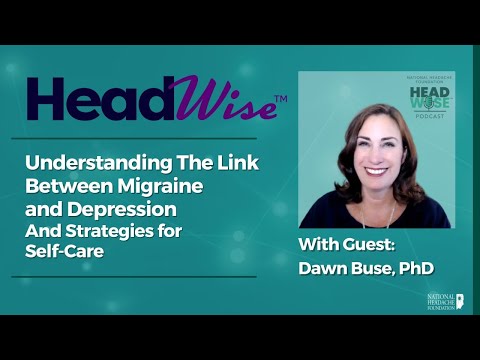
You ever get a migraine? Ugh, the worst. It’s like your head’s throwing a party, but you’re not invited. Just pain, nausea, and all that fun stuff. But then, once it finally goes away, you might think you’re in the clear, right?
Well, hang on a second. A lot of folks deal with something unexpected after their migraines—like this heavy cloud of sadness or hopelessness. It’s wild how a little headache can leave you feeling low for days.
So let’s chat about this link between migraines and what some people call post-migraine depression. You might be surprised at how these two are connected. Buckle up, because it’s more common than you’d think!
Exploring the Link Between Migraines and Depression: Understanding the Connection
Migraines can be a real pain in the neck—or, you know, head. Not just because of the excruciating throbbing you might feel, but also because they can hit your mood pretty hard too. Yeah, we’re talking about a serious connection between migraines and depression. Let’s untangle this web a bit.
First off, the link isn’t just a coincidence. Those awful migraine attacks often leave you feeling mentally drained and emotionally wrecked. After an episode, it’s common to experience something called post-migraine depression. This isn’t some made-up thing; it’s real and happens to a lot of people.
What’s going on here? Well, migraines mess with your brain chemistry. They can cause changes in neurotransmitters—those little messengers in your brain that help regulate mood among other things. When you’re hit with a migraine, these neurotransmitters go haywire. Afterward, when the pain subsides, it can leave you feeling low or even hopeless.
Another angle is how migraines affect your day-to-day life. You might miss work or social events because of them. So losing out on those connections? That can seriously increase feelings of isolation or anxiety, leading to depressive symptoms over time.
So let’s break down some key points:
- Migraine frequency: The more often you get migraines, the greater the risk for depression.
- Emotional aftermath: Many people report feeling down after their headache leaves them.
- Lifestyle impacts: Missing plans or having to cancel on friends can take an emotional toll.
- Shared triggers: Stress is a common trigger for both migraines and depression.
Now let me share something personal here—a friend of mine had these debilitating migraine episodes. He’d sometimes go days without being able to focus or enjoy anything—total blackout mode on life! After one particularly bad bout that left him bedridden for two days straight, he fell into this deep funk that was hard for him to shake off. It was like his body had taken so much from him that his spirit took a hit too.
If you’re dealing with this combo pack of migraines and low moods, understand that you’re not alone—and there’s help out there! Therapies focusing on managing stress and improving coping strategies can really make a difference in how you tackle both conditions.
In summary, if you’re experiencing something like post-migraine depression or know someone who is, it’s worth bringing it up with a healthcare professional. They’ll likely consider both physical treatments for migraine relief and emotional support options all bundled together—you see? It all ties back into how interconnected our minds and bodies really are!
Exploring the Connection: How Migraines Impact Mental Health
Migraines are no joke. If you’ve ever had one, you know how intense the pain can be, right? But what’s interesting—and often overlooked—is how these severe headaches can mess with your mental health. Let’s break down this connection.
First off, let’s talk about the physical side of migraines. They often come with a whole bunch of symptoms like nausea, sensitivity to light and sound, and sometimes even visual disturbances. When you’re battling those symptoms, it’s hard to focus on anything else. So imagine going through that regularly. It can really take a toll on your mood.
Now, what happens when the migraine finally goes away? You might think relief would lead to joy or at least a sense of normalcy. However, many people find themselves feeling down or even depressed once the headache lifts. This is commonly referred to as **post-migraine depression**. It’s like a fog rolls in after the storm has passed.
So why does this happen? A big part of it has to do with the brain chemistry involved during a migraine. When you’re in pain, your brain releases stress hormones like cortisol and adrenaline. Once that pain is gone but those hormones linger in your system, they can mess with your emotional balance.
But there’s more to it than just chemistry. Think about it—migraines can be disabling! You may have to cancel plans or miss work when you have them. Over time, this unpredictability leads to anxiety about when the next headache will strike. This anxiety can create a cycle where you feel increasingly stressed and vulnerable.
The way we usually cope with things also adds another layer here. If you’re stuck in bed for hours or days because of migraines, social isolation might kick in too— which we know isn’t good for our mental health either.
- Increased Stress: The fear of another migraine act as constant background noise.
- Impact on Daily Life: Frequent disruptions in life lead to frustration and feelings of helplessness.
- Chemical Changes: Hormonal fluctuations during migraines influence mood directly.
For some folks, embracing certain lifestyle changes helps manage both their migraines and their mood swings better—like better sleep habits or relaxation techniques such as yoga or mindfulness practices.
Of course, everyone’s experience is different! So if you’re finding that migraines are seriously impacting your emotional well-being too? It might be worth chatting with a healthcare professional who understands these intersections.
Just remember: dealing with chronic migraines isn’t solely about managing pain; it’s also about taking care of your mental health along the way!
Achieving a 50% VA Rating for Migraines: Essential Steps and Strategies
Migraines can be a real pain, right? And if you’re a veteran looking for a 50% VA rating for migraines, there are some essential steps to consider. Migraines don’t just come with physical symptoms; they can also lead to emotional struggles like **post-migraine depression**. Understanding this link is important when working on that rating.
First off, it’s crucial to document everything. Like, really keep track of your migraine episodes. Write down how often they happen, their intensity, and how long they last. This info can help establish a clear pattern that shows the impact migraines have on your life.
You want to include details about how these migraines affect your daily routine. Do you miss work or social events? How do they mess with your mood? This is where the emotional side kicks in. Many folks experience depression after dealing with chronic pain, so don’t shy away from talking about it. The VA needs to see that it’s not just about the headaches but also the emotional aftermath.
Next, gather any medical records related to your migraines and mental health. That includes notes from doctors or therapists who have treated you over time. If you’ve talked about feeling depressed after these migraine episodes, make sure those notes are included.
Now let’s chat about treatments you’ve tried—both physical and mental health support. Have you been prescribed medications? Have you gone through therapy? Keep track of what’s worked and what hasn’t because this history can back up your claims.
Another important step is attending any scheduled VA medical exams or assessments related to your migraines. During these appointments, be honest about the frequency and severity of your pain along with any associated depression. Don’t hold back! You need them to know how much this affects you.
It might help to talk with other veterans who have gone through this process too. They could share their experiences, give advice on what worked for them regarding getting their ratings sorted out.
Lastly, consider reaching out for support groups—whether online or in-person—dedicated to migraine sufferers or veterans dealing with similar issues. Connecting with others can provide insights into the rating process and emotional aspects linked with living with chronic migraines.
In summary:
- Document everything. Keep a record of migraine frequency and intensity.
- Discuss daily impacts. Show how migraines affect your life beyond headaches.
- Gather medical records. Include notes from all healthcare providers involved in treating you.
- Track treatments. List all medications and therapies you’ve undergone.
- Be honest during exams. Clearly communicate how migraines impact both physically and emotionally.
- Connect with others. Join support groups or forums for shared experiences and tips.
Getting that 50% VA rating isn’t just about proving you have migraines; it’s about showcasing the full picture—the headache impacts on life and mental health too! So take your time documenting everything thoughtfully; it could make all the difference.
So, you know how when you have a migraine, it’s like your head is trying to host a rock concert, and you’re just not invited? The pain can be intense—nausea, light sensitivity, the whole nine yards. But what’s interesting—and pretty frustrating—is how that suffering doesn’t just stop once the migraine fades away. There’s this thing called post-migraine depression that can sneak in after those headaches, and it’s like the universe decided to add insult to injury.
I remember this one time I had a brutal migraine that knocked me out for hours. When it finally eased up, I felt this weird heaviness wash over me. It wasn’t just physical fatigue; it was emotional too. I found myself feeling low and unmotivated, questioning everything from my work to my relationships. It was so strange because I had just been through a physical battle—and yet here I was fighting another one inside my head.
The connection between migraines and post-migraine depression is actually supported by some research. It turns out that migraines can mess with our brain’s chemistry. When you’re in pain for a long time, your body releases all sorts of stress hormones. Then when the headache passes, those hormone levels can crash and leave you feeling down. Basically, it’s like your brain hasn’t quite caught up with the fact that the storm has passed.
It’s easy to overlook how interlinked our physical and mental health are. You think about migraine as just a headache—like an annoying fly buzzing around—but it goes deeper than that. If you’re someone who deals with migraines regularly, knowing that depressive feelings might follow doesn’t exactly make things easier to handle.
And let’s be real here: dealing with post-migraine blues is no picnic either. It’s exhausting when you feel drained both physically and mentally on top of everything else life throws at us daily. Sometimes it helps to talk about these feelings openly or seek support from friends or professionals who understand what you’re going through.
In short? Migraines might pass after a few hours or days, but their impact lingers in ways we often don’t recognize until we’re knee-deep in them again—like why we might feel sad or lost afterward. It’s crucial to pay attention not only to how we tackle those painful episodes but also to how we treat ourselves emotionally after they’ve gone away. So if you’re finding yourself grappling with those feelings post-headache—know you’re not alone; it’s more common than you’d think!