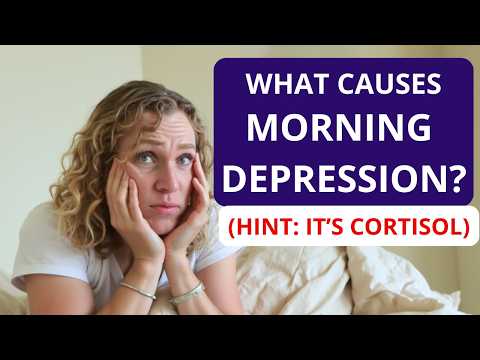
You know that feeling when you wake up, and everything just seems… heavy? It’s like your bed’s hugging you a little too tightly, right?
Well, it turns out, waking up early can be a bit of a mixed bag. On one hand, it’s all about fresh starts and new beginnings. But on the other hand, for some people, it can feel like the beginning of another tough day.
There’s a connection between waking up early and mental health—especially depression—that’s worth chatting about. It’s not just about early birds getting the worms; it goes deeper than that. So let’s dig into this!
Unlocking Better Mental Health: The Benefits of Waking Up Early
Waking up early can be a game changer for your mental health. Seriously! It might seem tough at first, especially if you’re used to hitting that snooze button a few extra times. But making this shift can actually help improve your mood and overall mental well-being.
First off, let’s talk about the morning peace. Early mornings tend to be quieter. The world isn’t buzzing yet, and it’s almost like you get this little slice of calm before the day ramps up. This quiet time can be your moment to breathe, reflect, or even just enjoy a cup of coffee without distractions.
Then there’s the whole light exposure part. Getting up early means you’re more likely to soak in some natural sunlight. This is important because sunlight helps regulate your body’s sleep-wake cycle and boosts serotonin levels, which can help with feelings of happiness. Less sunlight? You might feel more down or sluggish.
Another thing is the chance for more structure. When you wake up early, you set the tone for your day. You’ll have more time to plan, exercise, or engage in activities that fulfill you before life gets hectic. It’s like having an extra hour or two where you’re in control!
Also worth mentioning is improved productivity. Many people find that they’re more focused and productive in the morning hours. This added productivity can lead to less stress throughout the day since you’re getting things done when you’re at your best mentally.
A lot of research links early rising with lower risks of depression. Studies show that those who wake up earlier have a lower likelihood of experiencing symptoms of depression compared to night owls. It could be about creating a routine that helps ground you during each part of the day.
Finally, don’t underestimate how good sleep hygiene plays into waking up early too! When you rise early, it often encourages better sleep patterns over time. If you stick to this routine, falling asleep at night becomes easier which sets off this lovely cycle: sleep well—wake up early—feel great!
So yeah, while shaking off those cozy blankets may feel hard some mornings, think about what you gain from waking up earlier: tranquility, sunlight exposure, productivity – not bad at all! If you’re curious about trying it out but unsure where to start—just give it a go slowly by waking up just 15 minutes earlier each day until you’re feeling good and refreshed!
Is Waking Up at 5 AM Bad for Your Mental Health? Exploring the Pros and Cons
Is waking up at 5 AM bad for your mental health? Well, that’s kind of a loaded question. Waking up early can have its perks, but it can also come with some drawbacks, especially when it comes to mental well-being. Let’s unpack this in a straightforward way.
First off, waking up early has its benefits. For many people, rising at the crack of dawn can create a sense of peace and quiet. The world is usually still asleep, which means less noise and distractions. This quiet time can be perfect for activities like meditation or journaling—two things that many folks swear by for managing stress and anxiety.
Now here’s the thing: it might help your productivity. If you’re an early bird, you might find that your brain is fresher in the morning. That could mean you get more done before noon than others do all day! Who doesn’t want to feel accomplished before breakfast?
But on the flip side, there are risks too. Not everyone is wired to wake up super early. For some people, particularly night owls, getting up at 5 AM can feel like torture. It just messes with their natural circadian rhythms. And let me tell you—if your body isn’t getting enough sleep, it might lead to feelings of irritability or even depression over time.
Also important to note: if you’re waking up at 5 AM but still going to bed late, you’re likely not setting yourself up for success. Sleep deprivation can really take a toll on your mental health. You may feel foggy during the day or have trouble managing emotions.
And then there’s this weird societal pressure we have about “hustling.” Like there’s some sort of badge of honor for being part of the 5 AM club. But if waking up early leads you to be stressed out or burned out because you’re sacrificing sleep—well that’s not great for your mental health.
So what does this all mean? Here are some key takeaways:
- If you’re naturally an early riser and love those peaceful mornings—you do you.
- If waking up early stresses you out or makes you tired throughout the day—it might not be your jam.
- Quality of sleep matters more than what time you wake up.
- Listen your body; it knows what works best for you.
- Adequate rest should always come first; otherwise mental health could suffer.
In short, waking up at 5 AM isn’t inherently bad for mental health—it depends on who you are and how well you’re taking care of yourself overall. So consider what feels right for you!
The Profound Impact of Sleep Deprivation on Mental Health: Understanding the Connection
So, sleep deprivation, huh? It’s like that annoying friend who crashes your party and refuses to leave. You think you can handle it, but soon enough, it turns everything upside down. Seriously, not getting enough sleep can mess with your mind in ways you might not even realize.
First off, when you’re short on sleep, things don’t just feel a bit off; they can spiral into something serious. Research shows that chronic sleep deprivation is closely linked to mental health issues like anxiety and depression. It’s a vicious cycle—you’re stressed or down, so you can’t sleep well, and then the lack of sleep makes everything feel way worse.
Ever notice how a bad night of sleep can turn your mood sour? You might snap at friends or just feel like a total zombie. This happens because sleep plays a crucial role in regulating emotions. During those precious hours of slumber, your brain processes feelings and memories. Without that time to recharge, emotional responses can go haywire.
Let’s break this down even more. When you wake up early or can’t get enough shut-eye:
- Your stress levels shoot up: Sleep deprivation ramps up cortisol—the stress hormone—making you feel anxious.
- Your cognitive functions take a hit: It becomes harder to focus or make decisions. Think of trying to solve a puzzle with missing pieces.
- Your relationships may suffer: Poor sleep can lead to irritability; honestly, nobody likes dealing with the grumpy version of you.
But wait! There’s also an interesting thing about waking early and its link to mental health. Some people believe that getting up before dawn means being productive—like it’s a badge of honor—but here’s the kicker: for many folks, this might actually lead to more depression symptoms instead of alleviating them. If you’re one of those early risers struggling with mood swings, it could be worth considering whether your body really needs those extra hours awake.
So what should you do if you’re caught in this sleepless loop? Well, start by prioritizing good sleep hygiene:
- Create a routine: Go to bed and wake up at the same time every day.
- Avoid screens before bed: The blue light messes with melatonin production—hello insomnia!
- Create a calming environment: Make your bedroom cozy; think soft lighting and comfy sheets.
You see? When we prioritize our rest, we’re giving our minds the tools they need to thrive. Look at it this way: if you keep ignoring our body’s need for quality downtime like some old alarm clock stuck on snooze, it’s gonna be hard to function emotionally as well as mentally.
In short? Sleep is super important for maintaining balance in our mental health system. So next time you’re tempted to skimp on those Zzzs for another episode binge or scrolling through social media late into the night… remember how precious that rest time really is! Make it count!
You know, waking up early has this weird connotation. Some people swear by it, claiming they’re more productive and energized. But for others, especially those grappling with depression, early mornings can feel like a total drag. It’s kind of a double-edged sword.
I remember a friend who struggled with her mental health. She’d set her alarm for 6 AM every day, convinced it’d help her feel better. But instead of feeling refreshed and ready to take on the day, she often found herself just lying there in bed, staring at the ceiling. The anxiety would kick in before even getting out of bed. That feeling of dread? It was like being pulled back into a dark hole she couldn’t escape from.
So here’s the kicker: waking up earlier isn’t inherently better for everyone. For some folks dealing with depression, those quiet hours before the world gets busy can amplify those heavy thoughts and feelings. The solitude that some find peaceful might actually feel suffocating to others. You start noticing every little thing—like how the light streams through your window or how quiet it is—and sometimes that just makes everything seem more intense.
What happens is some experts suggest there’s a connection between sleep patterns and mental health; if you’re not getting enough rest or quality sleep, it can definitely affect your mood and overall well-being. Ironically, setting an early wake-up time can lead to anxiety about not getting enough sleep or feeling exhausted throughout the day.
But then again, look at people who’ve learned to wake up early and found solace in routine! They might get to enjoy those calm moments with coffee or some gentle movement before life kicks in—like meditation or reading—but that’s not universal.
It’s all about balance and figuring out what works for you personally. Maybe you prefer those lazy mornings where you ease into the day instead of jumping out of bed at dawn? You follow me? It’s definitely something worth considering if you’re feeling off-kilter—that exploration of your own rhythm could really make a difference in how you manage your mental health.
So yeah, waking up early isn’t one-size-fits-all advice; it’s so individual! It’s all about finding what makes you feel grounded rather than overwhelmed as you step into each new day.