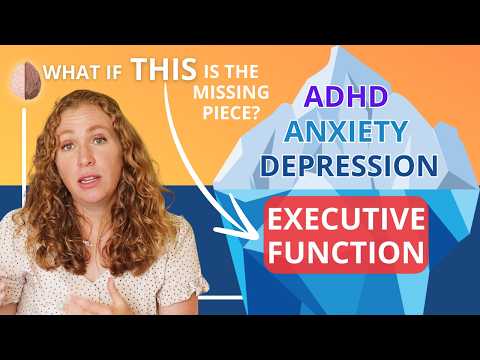
You know, it’s wild how heavy depression can feel, right? Like, some days getting out of bed is an uphill battle. And then there’s this thing called executive dysfunction. It can make even simple tasks seem impossible.
Imagine wanting to clean your room but feeling like you’re glued to your bed. That’s real life for a lot of folks dealing with these challenges. You start feeling overwhelmed, and everything just piles up.
Navigating through depression and executive dysfunction isn’t easy. But you’re definitely not alone in this struggle. There are ways to manage it all, little by little.
Let’s chat about what that looks like—what helps and what doesn’t. Because honestly? You deserve to feel a bit lighter in all this heaviness.
Conquering Executive Dysfunction: Effective Strategies to Combat Depression
Executive dysfunction can be a real pain, you know? It’s that frustrating feeling when your brain just doesn’t want to cooperate. Simple tasks like getting out of bed, responding to emails, or even cooking dinner can feel overwhelming—especially when you’re also dealing with depression. So here’s the scoop on how to tackle that combo of executive dysfunction and depression.
Understanding Executive Dysfunction is key. It’s not just about being forgetful or lazy. It’s more like your brain’s «control center» isn’t firing on all cylinders. You might struggle with organizing tasks, managing your time, or making decisions. Picture this: you wake up with a million things to do but end up staring at the wall instead. Yeah, that sounds familiar.
So how do you combat this? Strategies are crucial. Here are some effective ones to get your life moving again:
- Break Tasks Down: Instead of “clean the house,” try “pick up the living room.” Baby steps can make a huge difference!
- Simplify Decisions: Too many options can paralyze you. Limit choices—like wearing the same outfit for a week—to cut down on mental fatigue.
- Create Routines: Establishing a consistent daily rhythm helps take some pressure off decision-making. Regularity is comforting and keeps tasks flowing smoothly.
- Add Visual Aids: Use sticky notes, calendars, or lists around your home as reminders. Seeing things written down often ignites action.
- Set Timers: Challenge yourself! Use timers for short bursts of productivity (like 20 minutes), followed by breaks. This method can turn daunting tasks into small bites.
- Acknowledge Progress: Celebrate the small wins! Finished folding laundry? Awesome! Recognizing achievements fuels motivation.
This cocktail of strategies can be super helpful for someone wrestling with both conditions. But remember: it’s okay to seek help too! Talking things through with a therapist or counselor can open up new perspectives and provide tailored support.
If you’re feeling overwhelmed by all this, no worries! Just start slow and find what works best for you. Maybe try one strategy at a time and build from there. The important part is being gentle with yourself through this struggle—because it truly is a journey worth taking.
You’re not alone in this fight against executive dysfunction and depression. With persistence and practical strategies, it’s totally possible to regain control over your daily life!
Mastering Executive Dysfunction: Effective Strategies for Improved Focus and Productivity
Executive dysfunction is one of those frustrating things that can seriously mess with your ability to get stuff done. It’s like having a malfunctioning remote control for your brain. You know you want to focus and be productive, but somehow, everything feels out of sync. It’s often linked to conditions like depression, ADHD, or anxiety, making it tough for you to organize your thoughts and finish tasks. But don’t worry; there are ways to tackle this!
Understanding Executive Dysfunction
So first off, what is executive dysfunction? Well, it refers to difficulties in a variety of cognitive processes that help you manage tasks and regulate behavior. This includes problems with things like planning, organization, time management, and even emotional regulation. Imagine trying to do your taxes without any system in place—overwhelming, right? That’s how it can feel in everyday life.
Tackling the Challenges
Here are some effective strategies that might just help improve your focus:
Coping Mechanisms
The thing is, when dealing with executive dysfunction tied to depression or anxiety, emotional states play a huge role too. Sometimes you’re just not feeling up to tackling anything at all.
The Role of Support
You don’t have to figure this all out alone! Talk about what you’re experiencing with friends or family members who might understand where you’re coming from.
Think about reaching out for professional support if these strategies alone don’t seem enough. Therapists often provide tools tailored specifically for executive dysfunction challenges.
Feeling overwhelmed? You’re definitely not alone! Just remember—it’s okay to take baby steps toward regaining control over your productivity and focus. Celebrate every little victory along the way—they count big time!
Understanding Executive Dysfunction: A Comprehensive Guide to Testing and Management
Understanding executive dysfunction can feel like wandering in a fog, especially when you’re also dealing with something like depression. When you think about it, our brains act like the control center of an airplane—executive functions are what help us take off, fly smoothly, and land safely. They cover a range of tasks: planning, organizing, and even regulating emotions. But when executive dysfunction kicks in, it’s like having a malfunctioning control panel.
So let’s break this down. What is executive dysfunction? It’s not its own diagnosis; instead, it often pops up as a symptom of other mental health conditions like ADHD or depression. You know how some days you can’t focus on anything? Like your mind feels like it’s stuck on one channel while all the others are just static? That’s part of executive dysfunction.
Testing for Executive Dysfunction can involve several methods:
- Clinical Interviews: A therapist may ask about your daily life and challenges.
- Cognitive Assessments: Tests might include tasks that measure planning or problem-solving.
- Behavioral Observations: Sometimes just watching how someone handles daily activities helps professionals spot issues.
But what do you do if you’re experiencing this funky brain stuff? Management strategies are key. They can really help lighten that mental load:
- Routine Building: Establishing regular schedules can create structure. For instance, try to get up at the same time every day or set specific times for meals.
- Bite-Sized Tasks: Breaking down chores into small steps helps a lot. Instead of “clean the house,” try “pick up clothes” first.
- Visual Reminders: Sticky notes or checklists can be lifesavers to keep tasks on your radar. Seriously! How many times have you forgotten something right after thinking about it?
- Pacing Yourself: Balance work and breaks! Focus for 25 minutes and then take a five-minute breather—this technique is called the Pomodoro method.
Of course, medication may come into play too—sometimes doctors prescribe things to help manage underlying conditions that contribute to executive dysfunction. But remember: that’s really individual and usually part of a bigger strategy.
I recall a friend who struggled with getting out of bed every morning due to depression mixed with executive dysfunction. It was tough for her to even think about showering or making breakfast—but eventually, she set one goal: just getting up and putting on shoes first thing each day. That little win helped her build momentum towards conquering bigger tasks.
Lastly, don’t hesitate to reach out for support! Whether it’s a therapist or friends who get what you’re navigating through—finding people who understand makes all the difference.
So remember: while executive dysfunction can feel overwhelming at times, it doesn’t define you. With some strategies in place and understanding your unique brain patterns better, navigating through both depression and those tricky functions becomes much more manageable!
You know, dealing with depression is tough enough on its own. But when you throw executive dysfunction into the mix? Yikes. It’s like trying to swim with weights tied to your ankles. Seriously, life just gets… well, complicated.
I remember a friend of mine who struggled with this combo. She’d wake up feeling heavy, that familiar gray cloud looming over her. Getting out of bed took an effort that seemed Herculean some days. And then, once she finally did manage to rise, the smallest tasks—like deciding what to wear or even making breakfast—became monumental challenges. It was as if her brain had hit a snag: ideas bouncing around but never landing anywhere useful.
Executive dysfunction can come in all sorts of forms. Maybe it’s trouble planning or organizing things, or perhaps just remembering the little stuff—like you know, completing tasks you started ages ago but lost track of. For my friend, it meant she’d often forget appointments or get sidetracked while trying to do laundry; she’d start sorting colors and then zone out for an hour instead of actually washing them.
The feeling of frustration is almost palpable in those moments, right? You want so badly to accomplish something… anything! But instead? You chew on your fingernails and scroll through your phone for hours while time just slips away. It can leave you feeling pretty defeated and alone.
It’s also crucial to mention how interconnected these two components are. Depression zaps your motivation and energy levels—and that just makes executive dysfunction worse! Sometimes it feels like you’re stuck in a loop: being depressed leads to executive dysfunction, which then feeds back into more depression.
But there’s hope if this sounds familiar! A good therapist can help make sense of all this chaos and develop strategies tailored just for you. They might work on breaking tasks down into bite-sized pieces—maybe even creating visual cues or reminders that could light the way through the foggy haze.
And yeah, medication can also play a role for some people. It’s not magic glue that sticks everything together instantly but rather a tool—or let’s say a resource—that might help ease some symptoms enough so you can start working towards solutions.
The thing is, it’s about progress over perfection. Sometimes getting out of bed is enough victory for one day, right? Celebrate those little wins because they matter in the grand scheme of things—even when your brain feels like it’s stuck in molasses.
So if you’re navigating through this rocky terrain? Remember you’re not alone; many folks are trying to find their way too. Just take it one step at a time; those tiny steps really do add up.