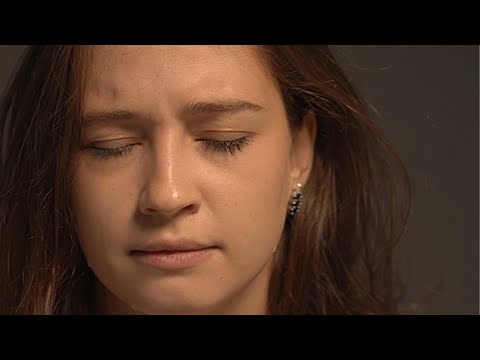
You know that feeling when everything just seems a bit off? Like, you wake up, but the world feels heavier than usual?
Well, it turns out there might be more to it than just a bad day. Some research suggests there could be this connection between feeling down and low blood pressure.
Yeah, it’s kinda weird to think about how your mind and body are linked like that. But seriously, how often do we ignore what our bodies are telling us?
In this little chat, we’re gonna dig into why depression and low blood pressure might be hanging out together. It’s definitely worth knowing about!
Exploring the Connection: How Blood Pressure Affects Depression and Mental Health
So, let’s get into this interesting link between blood pressure and mental health, especially how low blood pressure can sometimes play a part in feelings of depression.
When we talk about blood pressure, we’re referring to the force of blood pushing against the walls of your arteries. A normal reading is usually around 120/80 mmHg. When it dips too low, you might feel tired, dizzy, or even faint. That sounds pretty rough, right? Well, what people often don’t realize is how all that can mess with your mind.
Now, there’s some evidence pointing that low blood pressure can trigger or worsen symptoms of depression. Think about it: when you feel physically weak or unwell because your blood isn’t pumping like it should, that can take a toll on your mood. You might find yourself feeling more down or anxious than usual.
- Low energy levels: It’s tough to be happy when you’re exhausted all the time! Low blood pressure often leads to fatigue. This constant feeling of tiredness can make anyone feel less motivated or interested in things they once loved.
- Brain fog: Low blood flow means less oxygen getting to your brain. You might struggle with concentration or memory. That kind of mental cloudiness can really mess with your day-to-day life.
- Anxiety: Feeling lightheaded and dizzy doesn’t just affect physical health; it raises anxiety too! When you’re constantly worrying about fainting or not feeling well, that stress adds up.
But here’s where it gets really interesting: if you’re already dealing with depression, you might not be eating well or taking care of yourself as much as you should. This negligence can lead to issues like low blood pressure in the first place! It’s this circle where one problem feeds into another.
Let’s say you’re Sarah—one day she wakes up feeling super sluggish and can’t shake off her gloomy mood. Turns out she hasn’t eaten properly for days and is dealing with low blood pressure because her body isn’t getting what it needs. Once that’s figured out and she starts taking care of herself again? Gradually both her mental state and her blood pressure improve.
And then there’s the treatment side! If someone gets diagnosed with both low blood pressure and depression, their healthcare provider might look at how they’re managing both conditions together. You know? Many times medications for depression can also influence physical health metrics like blood pressure—so it’s a balancing act.
It’s crucial for folks to stay aware that these connections exist between blood pressure and mental health. They are more intertwined than most people think! Keeping an eye on physical symptoms could mean better mental clarity and emotional resilience in the long run. So remember to listen to your body; it might just guide you toward a happier mind!
Understanding the Link Between Emotional Stress and Low Blood Pressure: What You Need to Know
Emotional stress can mess with our bodies in ways we might not even realize. For some folks, it’s a rollercoaster ride that can lead to low blood pressure, which isn’t super common but totally worth talking about. When you’re feeling stressed or down, your body might react by lowering your blood pressure, which can have its own set of issues.
What is Low Blood Pressure?
Low blood pressure, or hypotension, happens when your blood pressure drops below the normal range. This can leave you feeling dizzy, weak, or even faint. You know that spun-out feeling you get when you stand up too fast? Yep, that might be a sign of low blood pressure.
The Emotional Connection
Stress and emotions play a huge role here. When you’re stressed out or dealing with depression, your body goes into a sort of survival mode. This causes changes in how your nervous system works and basically leads to irregularities in things like heart rate and blood flow.
Here’s how it works:
Think about someone going through a rough patch—like losing a job or going through heartbreak. They might feel constantly on edge, anxious all the time. This emotional turmoil doesn’t just affect their mood; it sends signals throughout their body that affect things like blood flow and heart function.
Taking Care of Yourself
Managing emotional stress becomes really important if you’re dealing with low blood pressure because guess what? Self-care isn’t just fluffy stuff; it’s essential! Here are some things people often try:
If you’ve noticed that your emotional state seems linked to those dizzy moments or feelings of weakness, speaking up about this could open doors to better understanding how best to support yourself—or even seek out professional help if needed!
So yeah, there’s definitely a connection between emotional stress and low blood pressure worth exploring further! It’s all about making sure you’re taking care of both your mind and body—the two are way more connected than most people think!
Understanding the Connection Between Low Blood Pressure and Depression: Insights from Reddit Discussions
Understanding how low blood pressure can tie into depression is a topic that pops up a lot in online discussions, particularly on platforms like Reddit. You might be wondering, “Is there really a link between these two?” Well, it turns out there can be some connections worth exploring.
First off, low blood pressure, or hypotension, happens when your blood pressure is lower than normal. This can lead to symptoms like dizziness, fatigue, and sometimes even fainting. Now, if you’re feeling lightheaded and drained all the time, it’s no surprise that this could mess with your mood.
Here’s where depression comes into play. It’s not just about feeling sad; it can involve a whole range of emotions and symptoms like hopelessness and lack of energy. Imagine waking up and feeling heavy as if you’re dragging yourself through mud. That sense of fatigue from both low blood pressure and depression can create a vicious cycle.
In the discussions I’ve seen, people often mention some common experiences:
- Feeling tired or fatigued:
- Struggling to concentrate:
- Experiencing mood swings:
It’s super relatable when you think about it! When your body feels weak because of low blood pressure, that can translate to emotional exhaustion too. One user shared how they started experiencing low energy after being diagnosed with hypotension. They found themselves spiraling into a depressive state because they simply couldn’t do the things they loved anymore.
Another interesting point from these discussions is about medications. Some antidepressants can actually lower blood pressure as a side effect. If you’re on meds for your mental health and struggling with low blood pressure at the same time, it might feel like you’re stuck in an endless loop of tiredness and sadness.
On the flip side of this conversation is also the idea that depression might contribute to physical health issues—including hypotension. When someone is depressed, their body might not regulate itself as efficiently; think about how stress affects everything from sleep to appetite. The body responds to mental health challenges in ways we often don’t see coming.
It’s important to keep an eye out for both physical and emotional symptoms if you suspect there’s a connection for you personally or someone close to you. Connecting with professionals who understand both sides—psychological and physiological—can really help break free from this cycle.
To wrap up these insights gathered from Reddit discussions: yes, there seems to be a notable connection between low blood pressure and depression. Whether it’s the direct effects of low BP on mood or medications causing changes in one’s physical state while dealing with mental health issues really matters here.
Always remember: if you’re struggling with either condition—or both—it’s totally okay to reach out for help! There are paths forward that combine caring for both your mind *and* body.
You know, it’s funny how our bodies and minds are so interconnected. Like, take depression and low blood pressure for instance. It’s not something most people think about together, right? You usually picture depression as just a mental thing. But there’s more to the story.
So, I remember this time when my friend Jake was feeling really down. He was exhausted all the time, couldn’t get out of bed without it feeling like a monumental task. And on top of that, he had these dizzy spells that would hit him out of nowhere. Turns out, his doctor discovered that he was dealing with low blood pressure too. Honestly, it kind of blew my mind when I learned how intertwined these two can be.
Now, let’s break this down a little bit. Depression can zap your energy and motivation in ways you wouldn’t believe—not just emotionally but physically too. When you’re feeling low, it’s like your body is stuck in slow motion; even simple things feel like they require a ton of effort. That sluggish feeling? Yeah, it can lower your blood pressure too. Your body starts to react to the stress and fatigue by changing how it functions.
And on the flip side, having low blood pressure could lead to feelings of fatigue or dizziness—like Jake experienced—which can totally amp up anxiety or sadness because you’re already feeling weak or lightheaded. It’s this annoying cycle: one feeds into the other without giving you a break!
But hey, it’s not all doom and gloom! Understanding this connection could really help spark conversations about finding solutions rather than just pushing through and hoping for the best. Whether it’s talking with a therapist or getting checked out by a doc for those physical symptoms—addressing both ends is super important.
So if you or someone you know is struggling with depression along with those pesky physical symptoms? It might be worth checking in on both fronts because they often go hand-in-hand more than we realize. And remember: taking care of your mental health is just as vital as looking after your physical health!