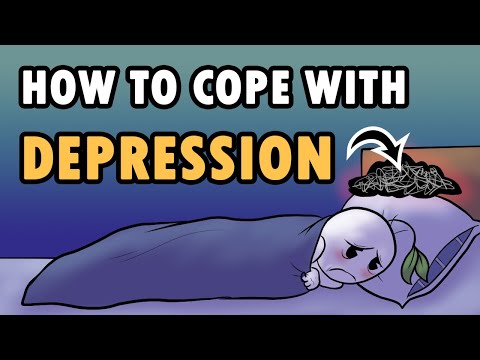
You know those days when getting out of bed feels like climbing a mountain? Seriously. It’s not just the snooze button.
Sometimes, it’s this heavy weight on your chest that won’t budge. Or that nagging worry that follows you around like a shadow. You’re not alone in this.
We all have moments when life feels a bit too much. It’s normal to feel overwhelmed by depression, anxiety, or sheer fatigue. And honestly, talking about it can make a world of difference.
So, let’s chat about coping with all that stuff in everyday life. We’ll unpack some real strategies, share experiences, and maybe even laugh a little along the way. Sound good?
Overcoming Anxiety and Depression: Your Path to Recovery and Healing
So, let’s chat about something that’s super important but often feels overwhelming: overcoming anxiety and depression. It’s a journey, and like any path, it has its bumps. But understanding what you’re dealing with is the first step to healing.
Anxiety and depression can feel like these huge clouds just hanging over you. You know how some days everything seems too much? Like even getting out of bed feels like climbing a mountain? That’s that fatigue talking. It might come from a mix of everything going on in your head and body. So how do we tackle this?
First off, acknowledgment is key. Just recognizing that you’re struggling can be a big deal. You’re not alone; many people share these feelings. Think of it as shedding light on your personal shadow—it doesn’t make it disappear, but it helps you see it better.
Then there’s the **self-care** aspect. This isn’t just about bubble baths or treating yourself to ice cream (though hey, those are nice too!). It includes:
- Sleep: Seriously important! Aim for 7-9 hours if you can.
- Nutrition: Eating well really does affect your mood—think fruits, veggies, whole grains.
- Exercise: Even a walk around the block can boost your mood.
- Meditation and mindfulness: Try taking 5 minutes each day to just breathe and check in with yourself.
You might be thinking these sound simple or even cliché, but the thing is they really create a solid foundation.
Now let’s talk about support systems. Reaching out to friends or family can feel tough when you’re down, but those connections are so valuable. They can offer perspective and comfort when things feel heavy. Plus, sharing what you’re going through makes it less isolating.
And hey, don’t forget about professional help. Therapy isn’t about lying on a couch rambling into the void! It’s actually an opportunity to explore your feelings and learn coping strategies tailored just for you. Therapists can offer various approaches—like cognitive behavioral therapy (CBT)—which helps change negative thinking patterns.
Another thing worth mentioning is medication, if that’s something that’s been suggested to you or you’re considering. It might seem daunting at first—lots of options out there—but it can really help balance things out chemically in your brain when combined with therapy.
You know how they say recovery is not linear? There will be good days and bad days—it’s normal! If one day you feel like you’re really making progress and another feels like you’re back at square one, don’t beat yourself up over it. That zigzag path is part of the process.
Lastly, celebrate those small victories! Did you get out of bed today? Awesome! Did you go for that walk? High five! Each step counts toward feeling better in the long run.
All this said—and I can’t stress this enough—be patient with yourself. Healing takes time, so give yourself grace along the way as you learn how to cope with depression and anxiety in daily life. You’ll get through this—it may not feel like it all the time—but hang tight; brighter days are ahead!
Understanding Why Your Depression Persists: Common Reasons and Solutions
Feeling like you’re stuck in a never-ending cycle of sadness? You’re not alone. A ton of people deal with persistent depression, and it can be super frustrating. It’s like trying to walk through mud; every step feels heavy. Let’s break down why this might be happening and what you can do about it.
1. Unresolved Trauma
Sometimes, things that happened in your past stick around longer than they should. Maybe you experienced something really tough, like a breakup or loss. These unresolved feelings can weigh you down, making it hard for depression to lift. Ever felt a wave of sadness hit when you least expected it? That could be what’s going on.
2. Lack of Support
If you feel isolated or misunderstood, it can make your depression feel worse. Picture this: You’re at a party but feel completely alone in a crowd. That lack of connection can intensify those dark thoughts and feelings.
3. Negative Thinking Patterns
Your brain is kind of like a tape recorder—it often replays the same negative thoughts over and over again. This is called cognitive distortion, where everything looks bleaker than it actually is. If you’ve ever told yourself “I’m not good enough” repeatedly, that might be part of what’s holding you back.
4. Physical Health Issues
Your body and mind are connected more than we realize! Sometimes physical health problems—like chronic pain or fatigue—can contribute to depression too. When you’re feeling physically drained, it’s hard to feel emotionally uplifted.
5. Unhealthy Coping Mechanisms
- Avoiding problems instead of facing them can lead to deeper issues later on.
- Relying on substances like alcohol might numb the pain temporarily but usually makes things worse in the long run.
- Pushing your feelings down without processing them? Not a great way to handle stuff!
Solutions?
You don’t have to battle this alone! Finding ways to cope is crucial:
- Consider therapy! Talking to someone who gets what you’re going through can make all the difference.
- Try mindfulness or meditation; seriously, taking those moments to breathe can help clear the mental fog.
- Stay active; even light exercise releases those feel-good endorphins that might help lift your mood.
- Keen on journaling? Writing things down can provide amazing insights into your thoughts and emotions.
The thing is, beatin’ persistent depression isn’t easy—but by understanding why it’s hanging around and taking some steps forward, there’s hope for brighter days ahead! Remember: It’s okay to seek help; everyone deserves support along their journey towards better mental health.
Effective Strategies to Overcome a Depressive Episode and Boost Your Mood
Feeling stuck in a depressive episode can be so draining. You might wake up some days and just not have the energy to do much of anything. When that happens, it’s really important to find ways to lift your mood and regain some control. Here are a few effective strategies that could help you, you know?
Maintaining a Routine
One game changer is sticking to a daily routine. It brings structure to your day and can serve as a practical anchor when everything feels chaotic. Try waking up and going to bed at the same time each day. Even small things like showering or taking a short walk can make a difference.
Physical Activity
Exercise is often touted as an antidepressant in itself, and it’s not just talk! You don’t have to run marathons or lift heavy weights; even gentle activities like walking or yoga count. Remember the last time you went for a walk? The fresh air, the simple act of moving—it’s amazing how good it feels! Aim for something every day, even if it’s just 10 minutes.
Connecting with Others
I get it; socializing might feel like climbing a mountain when you’re down. But connecting with others can seriously lift your spirits. Call or text a friend, or join an online group where people share similar experiences. Just talking—even about nothing—can help break that heavy silence.
Mindfulness and Meditation
Mindfulness is all about bringing your focus back to the present moment. This technique can really help reduce anxiety while battling depression. There are tons of free apps out there that guide you through mindfulness practices or meditation exercises. Even five minutes of focused breathing can do wonders.
Nourishing Your Body
You are what you eat, right? Well, kinda! Eating well-balanced meals helps regulate your mood more than you’d think. Try incorporating fruits, veggies, whole grains, and proteins into your diet. For example, how about whipping up some oatmeal with bananas for breakfast? It’s comforting and nutritious!
Avoiding Alcohol and Drugs
This one’s tricky but super important: alcohol and drugs might seem like quick fixes but they usually make things worse in the long run. They mess with your mood more than they help it! Seriously consider cutting back if you’re using them as coping mechanisms.
Cognitive Behavioral Strategies
Cognitive-behavioral strategies focus on changing negative thought patterns that feed depression. You could keep a journal where you jot down negative thoughts as they come up—and then rewrite them in a more positive light! Like if you think “I’ll never get better,” try switching it to “This feeling won’t last forever.”
Seeking Professional Help
If what you’re facing feels too heavy to handle alone, reaching out for professional help isn’t weak; it’s smart! Therapists can offer tailored strategies based on what you’re going through.
Praise Yourself for Small Wins
You might not realize this yet, but acknowledging even tiny accomplishments matters! Did you get out of bed today? Nice job! Did you make yourself lunch? Awesome! Celebrate those moments—they’re steps in the right direction!
The thing is: these strategies don’t work overnight or all at once; it’s about finding what clicks for you over time. Some days will be harder than others—totally normal! So hang in there; you’ve got this!
You know, dealing with depression, anxiety, and fatigue can feel like you’re trying to walk through a thick fog. Sometimes it’s really hard to see where you’re going or what you should do next. I remember this one time when I was just so drained that even getting out of bed felt like running a marathon. The blanket felt like this huge weight holding me down. It’s like my mind was just screaming for a break while my body felt heavy and uncooperative.
Coping with all these feelings isn’t easy. It’s almost like being on a roller coaster where you can’t get off—some days, everything seems manageable. But then out of nowhere, those waves of anxiety hit you like a ton of bricks, and it can be overwhelming. It’s exhausting! Sometimes when I’m anxious about something small, like meeting new people or starting a task, my heart races and my palms get sweaty for no good reason. You ever had that feeling?
So how do you cope? Well, finding small routines helps me—and maybe it’ll help you too. Simple things like taking a few deep breaths or stepping outside for fresh air can shift your mood just a little bit. A walk—even if it’s just down the street—often feels so much better than the couch potato life I can fall into.
And let’s not forget about reaching out to friends or family. Just sharing what you’re feeling can lighten the load somewhat. I remember calling up my buddy one afternoon when everything felt heavy; we ended up talking for hours about random stuff which totally lifted my spirits! Socializing isn’t always easy when you’re battling these feelings, but connecting with others can actually make things feel less lonely.
Then there’s the idea of self-care—it sounds cliché sometimes—but it’s really vital in managing daily life when you’re feeling down or anxious. Finding tiny pockets of joy in your day is important too; it could be curling up with your favorite book or even binge-watching that series everyone is talking about!
It’s about being gentle with yourself as well—acknowledging that some days are tougher than others is key. Some mornings, getting dressed might take every ounce of energy you have left… and that’s okay! Reminding yourself that taking baby steps counts as progress can shift your mindset.
So yeah, coping isn’t a straight line; it’s more like climbing up a hill—lots of ups and downs along the way. Embracing the little wins while staying kind to yourself makes the journey feel more manageable—even when that fog rolls back in unexpectedly.