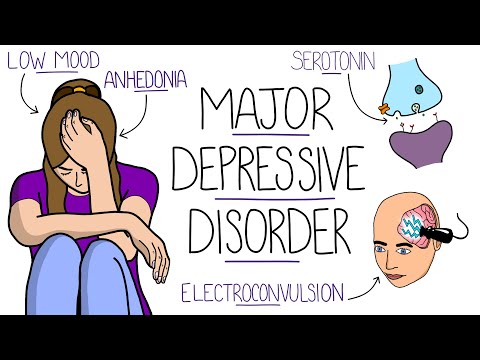
Hey, you know how sometimes life just feels, well, heavy? Like there’s this cloud just hanging over you? Well, that’s depression for a lot of people.
But here’s the thing: when does it actually start for most folks? I mean, it’s not like we officially sign up for it, right?
You might be surprised to learn that many studies have tracked the average age when depression kicks in. It can be a real eye-opener!
So let’s chat about what those numbers say and what it all means for you or someone you care about. Buckle up!
Understanding the Age When Half of Mental Health Issues Begin: Key Insights for Parents and Caregivers
- The average age of onset for mental health issues is a crucial factor for parents and caregivers to understand. A lot of research points to the fact that about half of all mental health disorders emerge by the age of 14. That’s crazy, right? When you think about it, it means that kids and teens are experiencing serious stuff earlier than many realize.
- Depression, for example, often starts in late adolescence or early adulthood, with studies showing the average onset around age 15. Picture this: a teenager who seems fine on the surface might be struggling with feelings they can’t quite explain. They might feel low or disconnected but not know how to talk about it.
- It’s not just depression, though. Conditions like anxiety can also pop up during these formative years. You know how stressed kids can get with school pressures? That stress can turn into something deeper if it’s not addressed.
- Early detection matters. The sooner parents and caregivers notice changes in behavior or mood, the better the chance of getting help. You might notice your child withdrawing from friends or losing interest in activities they used to love. Those changes could signal a larger issue at play.
- Interestingly, mental health isn’t linear—you know? What happens is that some kids may struggle silently, showing no outward signs until they reach a breaking point. That’s why staying connected and having open conversations are key.
- Stressful life events, like moving to a new place or experiencing family issues, can trigger these conditions. If you’ve ever seen a loved one go through tough changes, you understand how intense these experiences can be for kids.
- Another thing to keep in mind is that there’s a lot of stigma around mental health, especially for younger folks. Sometimes they won’t open up because they’re worried about what others will think. As adults, we’ve got to create safe spaces where they feel comfortable sharing their feelings.
- Education is power. Parents should educate themselves about signs and symptoms of mental health disorders so they don’t miss any red flags. And we can’t forget about self-care—when caregivers take care of themselves too, they’re better equipped to support their kids.
- A supportive environment makes a difference. Having an understanding support system is crucial for any kid facing mental health challenges. Whether it’s family dinners where everyone checks in on each other or structured activities that promote openness—every little bit helps!
- Finally, remember that there’s no shame in seeking help when you need it! Therapy isn’t just for adults; kids benefit from talking things out as well! So if you ever feel your kid needs extra support—don’t hesitate!
The bottom line is this: being aware of how early mental health issues can start allows us as parents and caregivers to stay proactive rather than reactive.
Understanding the Age of Onset: When Do Most People Experience Depression?
It’s pretty common to hear about depression, but have you ever thought about when it usually starts? The age of onset for depression can really vary from one person to another. But studies show that, on average, most people start feeling depressive symptoms in their late teens to mid-20s.
Why this age range? Well, think about it. That’s typically a time packed with change—graduating high school, starting college or a job, developing new relationships… It can be exciting but also super overwhelming. Your brain is undergoing a lot of development too, which plays a role in how you handle all these stressors.
Researchers often point to two key periods when depression tends to pop up: adolescence and later adulthood. Here’s a closer look at each one:
- Adolescence (around ages 12-18): This is when many young people first encounter significant emotional challenges. They might experience shifts in their social circles or family dynamics. One friend of mine really struggled during her sophomore year of high school—she felt pressure from friends and grades and ended up dealing with feelings she couldn’t quite put into words.
- Young adulthood (ages 18-25): This is another big time for many folks. Moving away from home for college or starting a new job can trigger anxiety and sadness. A lot of people find themselves facing unexpected pressures for the first time.
But hey, don’t think it only affects the young! Depression doesn’t discriminate based on age. Some folks start feeling its weight later in life, especially during major life changes like retirement or medical issues.
Interestingly enough, there are also reasons why not everyone experiences depression at these ages. Genetics plays a part—if someone in your family has had it, your chances might be higher too. Environmental factors matter a ton as well; stressful events like losing someone close or going through trauma are real triggers.
One thing to keep in mind is that early intervention can make a huge difference! Getting help soon after symptoms start can lead to better outcomes down the road so pay attention to changes in your mood or behaviors.
Understanding timing is crucial because awareness often helps people recognize they’re not alone and that it’s okay to seek support—whether that’s talking to friends or seeing a therapist.
So there you have it! Depression might strike earlier than you think for some, while others may feel its effects later on. Being aware of these patterns helps create understanding around an issue that affects so many people throughout their lives!
Understanding the Prevalence of Mental Health Conditions: Are 75% Diagnosed Before Age 24?
When we’re chatting about mental health conditions, the numbers can feel a bit overwhelming. You might’ve heard that around 75% of mental health disorders are diagnosed before the age of 24. It’s a pretty eye-opening statistic! But let’s break it down so it makes more sense.
First off, here’s where that number comes from. Researchers have found that many serious mental health issues, like depression and anxiety, often show up in adolescence or early adulthood. This means the teen years to your early twenties is when things get real for a lot of people.
Now, let’s look at some common conditions.
- Depression: The average age for a first depressive episode is typically around 15 to 16 years old.
- Anxiety disorders: These can kick in even earlier, often during childhood or early teenage years.
- Bipolar disorder: Symptoms usually start showing in late adolescence or early adulthood.
- Schizophrenia: This one usually pops up later, more in the late teens to early twenties for guys and slightly later for women.
Why is this happening? Well, it turns out that our brains are still developing during those years. You know how they say you don’t fully grow up until you’re about 25? That’s because our brain isn’t fully cooked yet! Stressors from school, relationships, and figuring out who you are can all contribute to triggering these conditions.
Speaking of personal stories, I remember my friend Emily started struggling with depression during her junior year of high school. She was under so much pressure to perform academically while also dealing with some tough stuff at home. It felt like everything was piling on her all at once. By the time she was 18, things had gotten really hard for her—she ended up being diagnosed with major depressive disorder right before she headed off to college.
Another point worth mentioning is stigma around mental health that can mess with timely diagnosis and treatment. Teens might not want to talk about feeling sad or anxious because they’re afraid of what others will think. Or maybe they just don’t recognize their feelings as something serious enough to seek help.
So when we say that 75% of mental health disorders appear before age 24, what it really signifies is a crucial window where intervention matters immensely. Early identification and treatment can make such a huge difference! Therapy or medication can help manage symptoms better if you catch them sooner rather than later.
In summary, yes—most folks diagnosed with serious mental health conditions do tend to experience their first symptoms when they’re pretty young. It underscores how important it is for schools and families to be open about these discussions and provide support when needed. Mental health isn’t just an adult issue; it touches lives of all ages!
You know, when it comes to depression, one thing that really hits home is the age at which people start experiencing it. It’s kind of eye-opening. Research often points out that the average age of onset for depression is around the late teens to early twenties. But honestly, that can vary a lot from person to person.
I remember a friend of mine who went through a really tough time in high school. You could see it in her eyes, like she was carrying this heavy weight. At that point, I didn’t really understand what she was going through. She seemed so young, but her struggles were real and intense. It just goes to show that mental health doesn’t care about age; it can show up whenever life gets too overwhelming.
When studies look into this average age of onset, they basically show how mental health issues can crop up during formative years—those moments when you’re figuring out who you are and where you fit in the world. It’s like suddenly being thrown into an emotional rollercoaster without a seatbelt! And for some folks, depression might even hit earlier in childhood or later in adulthood—it all depends on personal experiences and circumstances.
The thing is, understanding this average age can help with awareness and even prevention efforts. If we know that these feelings might start popping up during those critical teenage years—or even earlier—maybe we can all do a better job at spotting the signs and supporting each other, right?
In a way, it’s a call for compassion and openness about mental health because so many people are struggling quietly at different stages of their lives. So yeah, while statistics give a glimpse into trends, they can’t capture every individual experience—and that’s something we have to keep close to our hearts.