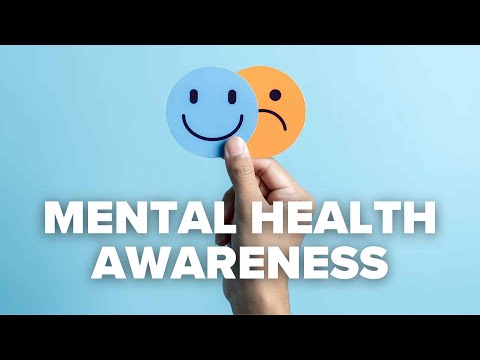
You know, depression is like this invisible weight. It’s heavy, and it can be really hard to shake off. Many people face it, but not everyone talks about it.
It’s like we think if we ignore it, it’ll just go away. But that’s not how it works, right? It’s real and can mess with your head.
Let me tell you a little story about my buddy Alex. One day, he seemed off—like really off. I found out later he was dealing with depression but didn’t want to say anything.
That got me thinking: What if we shone a light on this? What if we made it okay to talk about the dark stuff?
Illuminating the Shadows: Understanding and Overcoming Depression
Depression is like a thick fog that rolls in unexpectedly, blocking out the sun and making even the simplest tasks feel impossible. You might wake up one day, and suddenly everything feels heavy. It’s not just sadness; it’s an overwhelming sense of emptiness that makes you question everything.
So, what exactly is depression? Well, it’s more than just feeling blue for a couple of days. It’s a persistent feeling of hopelessness that can last for weeks or even months. There are different types—like major depressive disorder or persistent depressive disorder—but they all share some common threads. The aftermath can leave you feeling exhausted, both mentally and physically.
Signs and Symptoms
Watch out for these signals your mind might be sending you:
- Your usual hobbies don’t interest you anymore.
- You feel tired all the time, even after sleeping.
- Changes in appetite—either eating way too much or not enough.
- Your sleep patterns go haywire; either insomnia hits or you can’t get out of bed.
- You find yourself feeling worthless or guilty.
And here’s something important: not everyone experiences depression the same way. It can be sneaky; sometimes it lurks behind irritability instead of sadness. So if you’re snapping at loved ones for no reason, that might be worth looking into.
Now, take a moment to imagine Sarah—a bright person who used to love painting but suddenly couldn’t find the motivation anymore. She started isolating herself from friends and family. For months, she felt stuck in this gray area where she was alive but not really living. Sound familiar?
The Causes of Depression
Depression doesn’t have a single cause; it’s like a puzzle with many pieces:
- Genetics: If someone in your family has struggled with mental health issues, chances are you’re at risk too.
- Chemical imbalances: Your brain chemicals (like serotonin) play a huge role in your mood.
- Life events: Stressful situations—like losing a job or going through a breakup—can trigger depression.
- Medical conditions: Chronic illnesses can contribute to feelings of despair as well.
It’s essential to remember that there’s no shame in talking about these feelings with someone who gets it.
Treatment Options
You might be wondering, “How do I get out of this darkness?” Let me tell ya; you don’t have to fight this battle alone. There are paths toward healing:
- Therapy: Talking to someone trained can guide you through processing those heavy feelings. Cognitive Behavioral Therapy (CBT) helps change negative thought patterns into healthier ones.
- Medication: Sometimes antidepressants can help balance those brain chemicals we talked about earlier. But remember, it’s essential to consult with professionals before starting anything.
- Lifestyle changes: Regular exercise, nutritious food choices, and quality sleep play big roles too! Even small changes can make a difference over time.
Remember Sarah? She finally got fed up with feeling stuck and reached out for help. With therapy and some lifestyle tweaks, she gradually found her passion for painting again.
Finding Support
Connecting with others is so crucial in this journey! Whether it’s friends who listen without judgment or support groups full of people who share similar battles—having that network around you makes all the difference.
Don’t forget to check on your loved ones too! A simple “Hey, how are you really doing?” can mean more than you think.
In short? Depression can feel suffocating but breaking free is possible—you just need that first step into the light. You’ve got this!
Navigating Lighthouse Depression: Understanding Its Impact and Path to Healing
Lighthouse Depression—that sounds a bit poetic, doesn’t it? But honestly, it’s a term that captures something pretty profound. Imagine a lighthouse, standing tall and steady while guiding lost ships. Often, we look to guidance in our darkest times. But what if the lighthouse is dimming? That’s where the concept of Lighthouse Depression comes in; it shines a light on depression that feels heavy and sometimes invisible.
So what does this kind of depression look like? Well, it can feel like you’re navigating through fog. You might not even realize how much it’s affecting you until suddenly, you’re stuck in this cycle of feeling overwhelmed or lost. You could be functioning day-to-day—going to work, attending social events—but inside, you might feel like you’re just going through the motions.
Understanding Its Impact
The thing is, Lighthouse Depression can sneak up on anyone. You might’ve had moments when everything seemed alright from the outside while inside things were anything but okay. It’s that feeling of being okay but not really being okay at all. A friend of mine once told me how she felt stuck at her job despite doing well; she was so busy shining for everyone else that she forgot to take care of herself.
Here are some signs and effects:
- Emotional Exhaustion: Feeling drained even after sleeping well.
- Disconnection: You may start pulling away from friends or family.
- Persistent Sadness: Sometimes it can just hover over you like a dark cloud.
- Anxiety: Feeling anxious about interactions or your performance at work.
What happens is that Lighthouse Depression can make it tough to seek help because people can’t see how badly you’re struggling. They think everything’s fine since you seem put together on the surface.
The Path to Healing
Now let’s talk about healing because there’s always hope—seriously! First things first: acknowledge those feelings; don’t push them down or ignore them. Giving yourself permission to feel is super important.
One approach many find helpful is talk therapy. A therapist can help shine that light back on your experiences and emotions. You might start exploring where those feelings are coming from and how they’ve influenced your life choices without even realizing it.
Also, practicing self-care goes a long way! Think simple stuff: take walks outside in nature, find hobbies that excite you—even if they feel hard at first—and connect with people who uplift you instead of draining energy from you.
Finding support groups online or in-person can also be beneficial since talking with others who understand what you’re going through might create a sense of belonging and community. Just knowing there are others out there sailing similar waters might make things feel less overwhelming.
In essence, navigating Lighthouse Depression isn’t easy, but recognizing its presence is the first step toward reclaiming your joy and light! Remember: it’s totally okay to reach out for support when the path feels murky—sometimes we all need someone else to guide us back home when our own lights dim down for a bit!
Understanding the Importance of Mental Health: A Guide to Pre-Test Resources at elhhs.info
Understanding the Importance of Mental Health can be a game changer, you know? It’s all about recognizing how crucial our mental well-being is to living a happy life. When we shine a light on issues like depression and mental health, we help break the stigma and encourage people to seek help. There’s no shame in talking about what you’re feeling, and that’s where resources like elhhs.info come into play.
So, let’s break it down a bit. Mental health influences every part of our lives—from how we think and feel to how we interact with others. If you’re feeling down or anxious, it can affect your job performance, relationships, and physical health too. It’s kind of like being stuck in a fog where everything seems gray and heavy.
Now, if you’re preparing for a test—like something related to mental health awareness—having access to pre-test resources can really make a difference. Here are some key points from elhhs.info that might help:
- Emotional Wellness Resources: This provides helpful tools that explore emotional intelligence, coping strategies, and self-care tips.
- Informative Articles: You’ll find various articles diving deep into topics such as depression, anxiety disorders, and ways to manage stress.
- Community Support: Finding support groups or community events can make you feel less isolated. Connecting with others going through similar experiences is powerful.
- Crisis Resources: If things get overwhelming, knowing where to turn for immediate help is essential. There are hotlines and local services ready to assist.
An example I really like involves someone named Sarah. She struggled with depression for years without even realizing it was affecting her work and friendships. Once she engaged with resources similar to those at elhhs.info, she found comfort in understanding what she was dealing with. The articles helped her recognize symptoms she had brushed off before. She got connected with peer support which helped her feel less alone.
Accessing pre-test resources isn’t just about cramming facts; it’s also about building confidence in your understanding of mental health issues. The better equipped you feel regarding your knowledge on depression or anxiety, the more likely you are to engage in conversations around these important topics.
In wrapping this up (not that I’m putting an end to the conversation!), prioritizing mental health should be on everyone’s radar. Mental well-being matters just as much as physical health does; they go hand in hand! So don’t hesitate—check out elhhs.info for those resources that can prepare you not only for tests but also improve your overall approach toward mental health awareness!
You know, when we talk about mental health, it can get a little heavy. But it’s super important, right? I mean, depression affects so many people, and yet we often tiptoe around the subject like it’s some kind of taboo. But here’s the thing: shining a light on depression awareness is crucial. It’s like opening the curtains in a dark room and letting the sun pour in.
I remember a friend of mine who struggled with depression for years but felt completely alone in her battle. She used to say things like, «No one gets it,» or «I’m just being dramatic.» It broke my heart to see her feel that way! When she finally opened up about it—after a ton of internal wrestling—she realized that she wasn’t alone at all. In fact, so many people were rooting for her! That connection made all the difference.
But you know what else really struck me? The way people don’t always recognize depression for what it is. It’s not just feeling sad or having an off day; it’s this weight that feels like you’re carrying an elephant on your chest, day after day. And sometimes, folks brush it off as just a “phase” or something that can be willed away with positive thinking or more sunshine.
That’s why awareness matters so much. When we talk openly about mental health issues and normalize those conversations, we create spaces where people feel safe to share their truths without judgment. Like, imagine if everyone was able to speak honestly about their feelings without fear of being labeled “weak” or “crazy.” Wouldn’t that be amazing?
It’s also crucial that we talk about resources—like therapy and support groups—that can help those struggling navigate through their thoughts and feelings. Seriously, there’s no shame in seeking help! Sometimes you need someone outside your circle to give you perspective.
So yeah, let’s keep shining those lights on depression awareness and mental health! We all have our battles; sharing them makes everything a bit lighter. And maybe, just maybe, by speaking up and showing compassion toward ourselves and others, we can find more understanding in this world that’s often kinda tough to navigate.