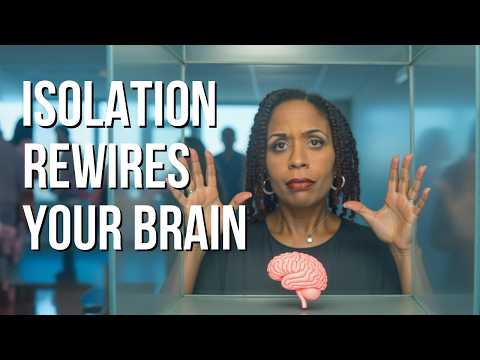
So, let’s chat about something that’s been on my mind lately. You ever feel like you’re stuck in your own little bubble? Like, no matter how many people are around you, you still feel totally alone?
Isolation can mess with your head more than you might think. Seriously, it can creep up slowly and suddenly you’re in this dark place that feels pretty overwhelming.
You’d be surprised at how much being cut off from the world can trigger feelings of depression. It’s not just about being alone physically; sometimes it’s feeling emotionally disconnected too.
Let’s dig into this because it really hits hard for so many people. And trust me, understanding it is a big part of finding a way out.
Understanding the Impact of Social Isolation on Mental Health: A Comprehensive PDF Guide
Social isolation can seriously affect your mental health, and the impact is often more profound than you might think. You feel it creeping in slowly. Maybe you start spending more time alone, and before you know it, those moments turn into days—or even weeks. It’s quite common to underestimate how much being isolated can mess with your head.
First off, what is social isolation? It’s when you feel disconnected from others. This could be physical—that is, not seeing friends or family—or emotional—not feeling like anyone truly understands or supports you. Both types can trigger feelings of loneliness and despair.
Now, the thing is, loneliness isn’t just a passing feeling. It can trigger or worsen mental health issues like depression and anxiety. When you’re isolated, it’s easy for negative thoughts to spiral out of control. You might think no one cares about you or that things will never get better. That’s heavy stuff!
Here are some key points to consider:
- Increased Risks for Depression: Social isolation makes people vulnerable to depression. Studies show that those who spend a lot of time alone are more likely to report depressive symptoms.
- Cognitive Decline: Staying disconnected can lead to cognitive decline over time. Your brain needs stimulation from social interactions to stay sharp.
- Impact on Physical Health: Feeling lonely can also affect your body—like getting sick more often or experiencing sleep issues.
- The Vicious Cycle: It works like this: You feel sad, so you isolate yourself more, which causes further sadness—a loop that’s tough to escape.
So picture this: Imagine someone who once had a tight-knit group of friends but has slowly pulled away due to work stress or life changes. They start missing out on social gatherings and eventually stop reaching out altogether. Over time, those old connections fade away. The loneliness sets in deep—friends become distant memories and each day feels heavier than the last.
The worst part? You may not even realize it’s happening until it’s too late. Social creatures by nature, humans need those connections for emotional support and validation.
And look, it’s super important to understand that being socially isolated doesn’t always mean you’re physically alone; sometimes you’re surrounded by people but still feel disconnected emotionally. It’s all about how fulfilling your relationships are.
To tackle this issue effectively, seeking support is crucial! Talking about what you’re feeling with someone—a friend or a therapist—can really help break that cycle of isolation. Remember that *you’re not alone*, and there are ways to reconnect with both yourself and others.
If you’re struggling right now—hey—it might seem hopeless but reaching out can really change things around for you! Whether it’s joining a club online (seriously!), finding local groups with shared interests, or even just chatting with a neighbor—it all matters.
So basically, recognizing how serious social isolation is for mental health opens up the path toward healing because connection matters more than anything else in life!
Understanding Self-Isolation as a Coping Mechanism: Benefits and Risks for Mental Health
Self-isolation can feel like a cozy blanket, especially when the world gets overwhelming. You know? Sometimes, just shutting the door and blocking out everything seems like the best way to cope. But here’s the kicker: while it can feel comforting at first, self-isolation has both benefits and risks for your mental health.
Benefits of Self-Isolation
First off, let’s talk about some of the perks. When you choose to isolate yourself, you may find:
- Time to recharge. If you’re an introvert or just feeling drained from socializing too much, a little alone time is golden. It lets you catch your breath and restore some energy.
- Space for reflection. Being on your own can give you clarity. Maybe it helps you think through problems without distractions, sort out your feelings, or even engage in creative activities.
- A break from stressors. If certain relationships or social situations are causing stress or anxiety, isolating temporarily can provide relief from those triggers.
You might remember a time when just taking a day off from everything helped clear your mind—like that Saturday spent binge-watching shows in pajamas. Pure bliss, right?
Risks of Self-Isolation
But here’s where it gets tricky. Too much isolation can lead to serious downsides. The risks include:
- Heightened feelings of loneliness. At first, being alone might feel nice but over time it can turn into loneliness that creeps in and sticks around (not fun).
- Increased anxiety and depression. When you’re isolated too long without interaction, your mind can spiral into dark thoughts. You start overthinking everything.
- Diminished support systems. Staying away from friends and family means losing those connections. During tough times, having people around to support you is crucial—so cutting that off isn’t ideal.
It’s like that moment when you’re home alone for days on end; suddenly each hour feels endless and the walls start closing in.
The Balance
So what do we do with this knowledge? Finding balance is key. It’s all about knowing when isolation helps you recharge versus when it starts dragging you down into a hole.
If you find yourself leaning toward self-isolation often, it might be worth taking a step back and thinking about how it’s affecting your mental health overall. Reach out to someone—a friend or even a professional—for support if things get heavy.
In sum, self-isolation isn’t all bad; it has its moments of comfort. But remember: too much time alone can really mess with your head sometimes. Finding ways to check in with yourself while also connecting with others is totally essential for keeping that mental health game strong!
Understanding the Detrimental Impact of Social Isolation on Mental Health
Social isolation is more than just being alone. It’s feeling disconnected from others, and that can really mess with your mental health. When you don’t have regular contact with friends or family, you might start to feel sad, anxious, or even hopeless. There’s this weird cycle that happens; the more isolated you feel, the less motivated you might be to reach out to others. And honestly? That can lead to some serious emotional struggles.
One thing to consider is how isolation can trigger depression. It often starts with feeling lonely. You know how it feels to scroll through social media and see everyone having a good time while you’re stuck at home? That comparison can take a toll on your self-esteem and make you feel worthless or unwanted. And then those feelings of worthlessness spiral into depressive thoughts that just keep building.
Also, let’s talk about the physical aspect of isolation. When you’re isolated for a long time, it’s not just your mind that suffers; your body can take a hit too. You may notice changes in your sleep patterns or even in how well you eat. Maybe you find yourself binge-watching shows instead of sleeping, or reaching for comfort food way too often. It’s like your mind and body are having this mismatched conversation where neither side is happy.
Another thing worth mentioning is the impact on cognitive function. Isolation means less stimulation from social interactions which keeps our minds sharp. Without conversations and engagement with others, our thinking might get sluggish over time. Just think about it: when was the last time you felt really challenged mentally by a deep conversation? If it’s been a while, there’s a chance those brain cells aren’t firing like they used to!
Sometimes people end up developing anxiety issues due to isolation too. You might worry about going out again after being away for so long or just feel super awkward re-entering social settings. Imagine trying to reconnect with folks after months of not seeing anyone—sounds intimidating! This can lead people back into isolation as they avoid facing those uncomfortable feelings.
When we talk about all these things together — depression, physical health decline, cognitive challenges — it’s clear why social connections are essential. They’re not just nice to have; they’re super vital for our overall well-being! Regular interaction helps us balance our emotions and keep us feeling grounded.
So here’s where we wrap it up: if you’re feeling isolated or know someone who is, reaching out—even in small ways—could make all the difference. A text message could bring unexpected joy in someone else’s day—and yours too! Remember that it’s okay not to be okay sometimes; we all have ups and downs in life. But getting connected again could steer us back toward brighter days ahead!
Isolation can feel like a heavy fog wrapping around you. You know, it’s that feeling when you’re in a crowded room but still somehow alone. It sneaks up on you, like one day you’re just minding your own business, and the next you’re avoiding calls and skipping out on hangouts. Maybe you’ve even had a friend reach out, saying they miss you, and it hits differently—like a bittersweet reminder of connections that seem way too far away.
I remember this one time when I was at my lowest. I’d just moved to a new city for work. At first, it felt exciting! But then reality set in; nights turned into marathons of binge-watching shows alone while scrolling through social media feeds filled with friends living their best lives. It’s wild how quickly isolation can twist your thoughts into negative spirals. You start questioning yourself: «Am I unlovable?” or “Do people even care?» Seriously, it can chip away at your self-esteem like nothing else.
The thing is, our brains aren’t designed to be alone for too long. Isolation reduces opportunities for positive social interactions—it’s kind of like cutting yourself off from a healing source of light while sitting in the dark. Studies have shown that lack of social contact can lead to feelings of sadness and despair—and let me tell you, when you’re already feeling down, that darkness can feel endless.
But here’s where it gets tricky: even knowing this, reaching out feels daunting when you’re in that space. A friend might text you asking how you are, and instead of replying honestly—like saying “Hey, I’m struggling”—you just shrug it off with “I’m okay.” So you keep pushing people away without knowing it—even as you’re craving connection.
Breaking out of that cycle isn’t easy either! It’s like standing on the edge of a cliff looking down into an abyss—what if you jump and there’s nothing? But taking that first step back into the world? That’s where healing starts to happen. Even just opening up to someone about how alone you’ve been can be powerful; sometimes all it takes is that little nudge from someone who cares to help pull you back toward the light.
So if you’re feeling isolated right now—or know someone who might be—it’s important to recognize those feelings aren’t forever. They don’t define who you are or how loved you are. Just remember: reaching out doesn’t mean weakness; it’s actually one of the strongest things we can do as humans trying to connect in this vast world we live in!