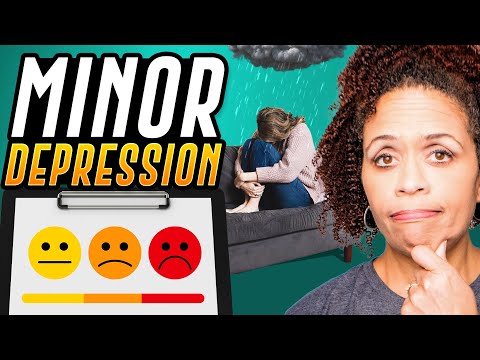
You know, it’s so easy to brush off feeling down. We all have days when we just wanna crawl under the blankets and forget the world exists.
But sometimes, that feeling sticks around longer than you’d like. It’s more than just a few bad days.
And honestly? Recognizing when it crosses that line into something serious can be tricky. So let’s chat about what those symptoms look like and how they can really shake things up in your life.
Trust me, understanding this stuff can make a huge difference, both for you and for people you care about. Ready to dive in?
Understanding the Key Symptoms of Depression: A Comprehensive Guide
Depression is a tough beast to tackle. It can really drain your energy and make you feel like you’re in a fog. But understanding its symptoms is super important. It’s like having a map when you’re lost. Here’s what you should look out for.
First off, there’s that persistent sadness. You know, it’s that feeling where nothing seems to lift your mood, no matter what happens. It can last for weeks or even months. Maybe you find yourself crying more often than usual or feeling empty inside.
Then there’s loss of interest or pleasure in things you used to enjoy—like your favorite show, hanging with friends, or even hobbies. One minute you’re all about painting, and the next? You couldn’t care less about picking up that brush again.
Another biggie is fatigue or low energy. It’s like climbing a mountain just to get out of bed in the morning. Even simple tasks feel like heavy lifting. It’s exhausting when every little thing feels monumental.
And let’s not forget about changes in appetite. You might find yourself bingeing on junk food as comfort or having zero appetite at all. Both scenarios aren’t uncommon when depression sneaks in.
There’s also this feeling of being worthless or excessively guilty. It’s like you’re stuck on repeat in your mind, dwelling on mistakes and beating yourself up over stuff that doesn’t even deserve that level of scrutiny.
Some might experience trouble with concentration, too. Focusing at work, school, or during conversations becomes quite the challenge. You might zone out mid-sentence because your head’s just not in the game anymore.
Sleep issues are huge also—like either sleeping way too much (hello, oversleeping!) or struggling to catch those Zs at night. It can feel like there’s this constant battle between wanting to sleep but not being able to relax enough to actually doze off.
Lastly, thoughts about death or sucidal ideation can come knocking on the door for some people suffering from depression. This doesn’t mean everyone will have these thoughts, but if they do arise, it’s crucial to talk about them and seek help immediately.
So yeah, recognizing these symptoms is key! They affect not only how you feel but also how you interact with the world around you—your relationships and day-to-day life can take a hit too. If any of this resonates with you or someone you know? Just remember: reaching out for support is always a solid option!
Understanding the Three Key Effects of Depression on Mental Health
Depression is a heavy weight that can really mess with someone’s mental health. It’s not just feeling sad; it’s much more complicated than that. There are a few key effects of depression that you should be aware of, and they can change your everyday life in unexpected ways.
1. Emotional Numbness
When someone is deep in depression, they may feel numb or disconnected from their emotions. You know how sometimes you laugh at a joke, but then there are days when nothing seems funny? That’s what emotional numbness feels like—like you’re watching life from behind a glass wall. This makes it tough to connect with friends or family because you might not feel like yourself, and it can create distance in relationships.
2. Cognitive Changes
Depression also messes with your thinking. Focus and concentration might start to slip away. Suddenly, tasks that used to be easy now feel overwhelming, like trying to run through mud. You might forget things more often or struggle to keep up with conversations. It’s frustrating! For example, imagine you’re trying to read a book but keep losing track of the story—it’s exhausting and discouraging.
3. Physical Symptoms
Believe it or not, depression doesn’t just hang out in your mind; it affects your body too! People might experience fatigue that feels like dragging around an anchor all day long—even after sleeping for hours. Muscle aches and headaches can show up as well because our bodies hold onto stress and sadness in strange ways.
In summary, understanding these effects is crucial if you or someone you know is dealing with depression. The emotional numbness keeps people at arm’s length from their feeling selves; cognitive changes make daily tasks seem impossible; and physical symptoms add an extra layer of fatigue and pain to the mix. Recognizing these effects isn’t easy, but awareness can lead to better support and treatment options down the line—you follow me?
Understanding Your Feelings: Take Our Comprehensive Depression Test Today
Understanding your feelings can be a bit of a maze, can’t it? Especially when it comes to something like depression. Being aware of the symptoms and their effects is super important because they can really mess with your day-to-day life. So let’s break this down a bit.
First off, what is depression? Well, think of it as being in a mood that just won’t lift. It’s more than just feeling sad for a day or two. It’s like carrying around a heavy backpack filled with rocks—some days, you might barely notice it, but on others, it feels impossible to get up and move.
Here are some common symptoms that you might recognize:
- Persistent sadness or low mood: This can stick around for weeks or even months.
- Changes in appetite: Some people eat way more when they’re down, while others lose their hunger entirely.
- Lack of energy: Even simple tasks can feel exhausting—like getting out of bed or brushing your teeth.
- Apathy: You used to love going out with friends or watching movies, but now it all feels pointless.
- Difficulties concentrating: It’s like trying to watch TV with someone constantly changing the channel; nothing seems clear.
You know what’s tough? Sometimes these feelings don’t show up consistently. One minute you might feel okay-ish, and the next it feels like you’re back in that dark place. And these ups and downs can leave you feeling even more confused about what’s happening.
The effects of depression aren’t just emotional; they ripple out into other areas of life too. Your relationships might take a hit. Friends may not understand why you’re suddenly ghosting them—or why you’re not as fun as you used to be. And then there’s work: concentration issues often mean productivity goes down. Imagine trying to write an email when your mind is doing somersaults!
Speaking from experience, I’ve known folks who struggled silently for ages before they realized what was going on. Like my buddy Jamie—she always seemed busy but was fighting her own battle with depression for years before reaching out for help. Once she recognized what she was dealing with, things started to change for her.
If you’re feeling like any of this resonates with you—or if you’ve been thinking about taking a depression test—it could be worth your time! These tests aren’t perfect but can give you insight into your feelings and help guide your next steps towards getting support.
This isn’t just about feeling blue; it’s about recognizing that something isn’t quite right inside and that reaching out is totally okay! Remember: You don’t have to do this alone. Connecting with someone—a friend or therapist—can really make a difference in navigating those tricky emotions.
You know, depression can be kind of sneaky. Like one day you’re feeling alright, and the next, everything just feels heavy. It’s like wearing a lead coat all the time. So, when it comes to recognizing the symptoms, it’s important to pay close attention to how you’re really feeling inside.
I remember a friend of mine, let’s call her Sarah. She was always the life of the party—super bubbly and fun. But one day, she just stopped showing up for things. At first, we thought she was busy or maybe just tired, but then I noticed she wasn’t answering texts either. When I finally caught up with her, it turned out she’d been feeling hopeless for a while. It was like a fog had rolled in over her life.
There are some classic signs that signal depression might be taking hold: you’re super tired even after a good night’s sleep or maybe you feel down more days than not for weeks on end—sometimes even months! You might lose interest in stuff that used to bring you joy or feel irritable for no reason at all. Eating habits can change too; some people munch all day while others can’t touch food.
And look, it’s not just about feeling blue; it’s deeper than that. Those feelings can affect your work performance or relationships—you name it. When you’re battling inner demons like depression, it can be hard to see things clearly or feel motivated to do anything at all.
So what does this mean for you? Well, recognizing these symptoms is key because it opens the door to understanding what’s going on and reaching out for help if you need to. Maybe talking with someone or seeing a therapist could make all the difference.
But here’s the thing: don’t beat yourself up if you’re feeling this way. Seriously! It’s okay not to be okay sometimes. Just remember that recognizing what’s happening is the first step towards finding your way back into the light again—and trust me, there is light at the end of that tunnel!