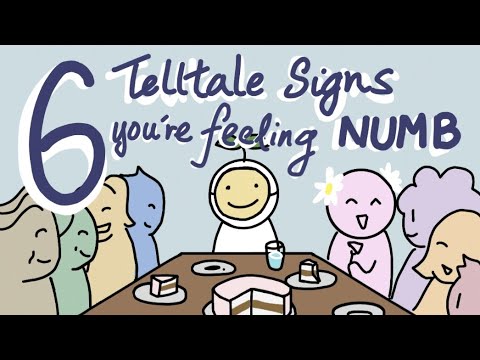
You ever feel, like, just… nothing? Like emotions are on mute or something? That’s emotional numbness for you. It’s weird, right?
Imagine walking through life but feeling kinda detached from everything. Your favorite song plays, but it doesn’t hit the same. Or maybe you’re laughing with friends, but inside, it’s just silence.
Often, this numbness shows up alongside depression. It’s like a tag team partner you didn’t ask for. You know what I mean?
Let’s chat about this. What it feels like, why it happens, and how to start breaking free from those icy walls around your heart. Sound good?
Understanding Numbness in Mental Health: Causes, Effects, and Coping Strategies
Emotional numbness can feel like being stuck in a fog. You wake up, go through the motions, but it’s like your emotions are on mute. Sounds familiar? This state can be linked to several mental health issues, particularly depression and anxiety.
What causes this numbness? Well, there are a few culprits. Stress plays a huge role. When life gets heavy—think job loss or relationship troubles—your mind might just shut down feelings to protect you from overwhelm. Trauma is another big factor. If you’ve gone through something really tough, your brain might turn off emotions as a way to cope. Even medications can mess with your emotional responses.
Now let’s dig into how it affects you. Numbness can lead to isolation. You might find yourself avoiding friends and family because you don’t feel anything—good or bad. This can spiral into deeper issues like depression, where the numbness turns into sadness that feels inescapable.
So what are some strategies for coping with this? Here’s where things get real.
- Acknowledge your feelings: Sounds counterintuitive, but recognizing that you’re feeling numb is the first step towards dealing with it.
- Talk it out: Seriously, finding someone—a friend, therapist—who gets it can be a game-changer. Sharing the load helps lighten it.
- Engage in activities: Even if you’re not feeling it, pushing yourself to do things you once enjoyed can help reel back those emotions.
- Practice mindfulness: Trying out meditation or simple breathing exercises might help reconnect you with your body and mind.
Consider Sarah’s story for a moment. She was going through a breakup and everything felt dull. Friends would invite her out, but she’d just shrug and stay home because nothing seemed appealing anymore—even her favorite TV show didn’t spark joy! It wasn’t until she started journaling that she realized how trapped she felt inside her own head.
You’re not alone if you’re experiencing emotional numbness; many people do at some point in their lives. It’s okay to seek help when things feel overwhelming or simply confusing.
In summary, while numbness isn’t easy to deal with—it happens for reasons grounded in our experiences and mental health struggles like depression—it doesn’t have to define who you are or how you live your life moving forward! With some effort and support, brighter days can come back around again.
Emotional numbness can feel like this heavy fog that rolls in, right? One minute you’re feeling everything, and then suddenly, it’s like someone flipped a switch. You might be going through the motions of life but feeling absolutely nothing. I remember a time when my friend was going through a rough patch. She described experiencing days where she just couldn’t feel anything—like her emotions were switched off. This numbness became a coping mechanism, I guess, as she tried to escape the overwhelming sadness of depression.
The thing is, emotional numbness often shows up hand in hand with depression. It’s like the brain’s way of protecting you from pain. You know—when life throws curveballs that are just too heavy to carry? It can be overwhelming to process how sad or lost you actually feel without feeling buried under it all. But then, without those emotions, it can be hard to connect with other people or even find joy in things you used to love.
When you think about mental health contexts, it’s easy to overlook numbness because it doesn’t always look like traditional signs of depression. People assume if you’re not crying or don’t seem sad on the outside, everything’s fine. But inside? It’s a different story altogether. You might put on a smiling face and still feel empty inside.
Therapy can really help shine some light on this foggy feeling. A good therapist can guide you through recognizing those emotions that seem so far away and reconnecting with them. Sometimes talking helps break down those walls we build around ourselves out of fear or exhaustion.
And here’s where it gets tricky: breaking out of that numbness isn’t always easy. Sometimes you’ve got to sit with discomfort before moving forward; no one wants to do that! Facing feelings that have been safely tucked away for so long? That takes courage!
So if you’re feeling like you’re stuck in neutral—just know you’re not alone in that experience. There are ways out, even if finding them is tough work at times! It’s okay to reach out for help and seek those emotional connections again; we all deserve to feel something real and vibrant again someday, right?