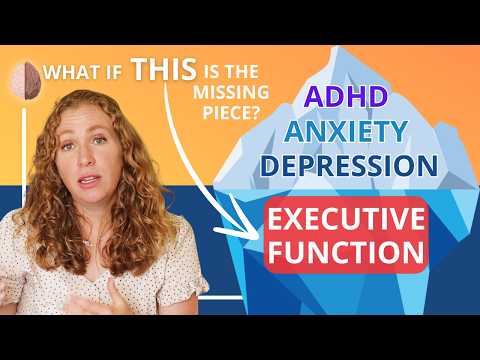
So, let’s talk about something heavy: depression. It’s a tough topic, but seriously, so many of us deal with it in one way or another.
You might be feeling it yourself or know someone who is. Either way, it can mess with your brain in ways you wouldn’t even believe.
One of the sneaky things it does? It totally impacts how you plan, focus, and handle everyday tasks—like your executive function. Yup, that’s what they call it!
It can make simple things feel like climbing a mountain. So if you’ve ever found yourself staring at a to-do list and feeling paralyzed? You’re not alone.
Let’s break this down together and figure out what’s going on in that head of yours—or your friend’s head—when depression comes to crash the party.
Understanding Executive Dysfunction: Comparing Depression and ADHD Symptoms
Executive dysfunction can be a real struggle, especially when it comes to understanding how it plays into mental health conditions like depression and ADHD. What’s wild is that both of these conditions can lead to similar symptoms, but the reasons behind that executive dysfunction are often quite different.
So, let’s break it down. When we talk about **executive functions**, we’re basically referring to a set of mental skills that help you manage your thoughts and actions. This includes things like planning, focusing attention, and regulating emotions. It’s kind of like the brain’s CEO, making sure everything runs smoothly.
Now, if you’re dealing with **ADHD**, you might find that your executive dysfunction comes from difficulties with focusing and staying organized. You might forget appointments or lose track of time—like, one minute you’re sitting down to work on a project, and the next thing you know, it’s hours later and you’ve been scrolling through memes instead. This can make it hard to complete tasks or follow through on plans.
On the flip side, with **depression**, the executive dysfunction often feels different. It’s not just about being distracted; it’s more about a lack of motivation or energy. You might know exactly what you need to do but feel completely paralyzed by sadness or hopelessness. Picture this: You wake up with a list of things to accomplish but can’t even get out of bed because everything feels overwhelming.
Here are some key differences between how depression and ADHD show up in executive dysfunction:
- Focus: In ADHD, difficulty focusing means your mind wanders easily. With depression, your focus may become so clouded by negative thoughts that it’s hard to concentrate at all.
- Organization: People with ADHD might struggle with organizing tasks due to impulsivity or distraction. On the other hand, someone facing depression could feel overwhelmed by even simple tasks due to fatigue or lack of interest.
- Emotional Regulation: ADHD might lead to impulsive emotional reactions because there’s trouble processing feelings properly. In contrast, depression may cause flat emotions where you feel numb instead.
Understanding these differences can really help clarify what you’re experiencing or what someone close to you might be going through.
It’s kind of like when I was talking to my friend who has ADHD; they shared how frustrating it is when they start cleaning their room but get distracted halfway through by something shiny—like a cat video! Meanwhile, another friend dealing with depression lamented about lying on the couch all day knowing there’s laundry piling up but feeling utterly drained at just the thought of doing it.
In both cases though—be it ADHD or depression—the key takeaway is that executive dysfunction messes with daily life in ways most people don’t see right away. The struggles are real!
Finding ways to tackle these symptoms often involves therapy and support tailored specifically for each condition. Addressing these challenges head-on makes a huge difference! So yeah, whether you’re navigating through your own experiences or trying to understand someone else’s journey—knowing how executive function plays into both conditions is super important for being supportive and compassionate.
Understanding the Connection Between Depression and Executive Function: Insights for Mental Wellness
Depression and executive function are two heavyweights in the mental health ring. They’re like best friends who just can’t seem to get away from each other. You see, when depression creeps in, it doesn’t just hang out in the emotional basement; it starts messing with your brain’s ability to plan, focus, and make decisions. That connection is pretty crucial for your everyday life.
So, what’s executive function? It’s basically a set of skills that helps you manage your thoughts, actions, and emotions to achieve goals. Think about it like the conductor of an orchestra, making sure all the different parts—like memory, attention, and impulse control—play together nicely. But when depression shows up uninvited, the conductor gets a bit lost.
Here’s how that goes down:
- Memory Issues: When you’re feeling low, it’s tough to remember things. Like planning your week ahead or keeping track of tasks that need doing. This is because depression hampers concentration and short-term memory.
- Decision-Making Woes: You might find yourself stuck in indecision. «Should I go out for lunch or stay in?» becomes an enormous internal battle because you’re overwhelmed by even small choices.
- Impulse Control Problems: Sometimes you might act without thinking—a classic move during depressive episodes. Whether that’s binge-watching a series instead of sticking to your plans or impulsively buying something online you don’t need.
Living with these challenges can feel frustrating. For instance, I know someone who struggled with a big project at work while dealing with depression. Every time they sat down to work on it? Total blank slate! No focus whatsoever! They ended up missing deadlines and feeling awful about themselves because they couldn’t manage their tasks like they used to.
Moreover, it’s not just about getting things done; it’s about how you feel while trying to do it all too. When your executive function takes a hit from depression, you start feeling less capable overall. It snowballs into more feelings of worthlessness or hopelessness.
The good news? There are ways to boost both your mood and those executive skills! Simple strategies help regain some control:
- Routine Building: Creating structured daily routines can guide you through the fog.
- Break Tasks Down: Instead of looking at everything as one big mountain climb, break it down into baby steps!
- A Healthy Environment: Limit distractions around you—this could involve decluttering or finding a quiet place to work.
You can also consider reaching out for support through therapy or connecting with others who understand what you’re going through since talking it out sometimes clears the mental clutter.
In short, understanding how depression affects executive function isn’t just for academics—it can make a real difference in how you navigate life day-to-day! Remember that it’s okay not to have all the answers right now; what matters most is taking those tiny steps forward while being kind to yourself along the way.
Understanding the Impact of Anxiety on Executive Functioning: How Anxiety Affects Cognitive Performance
Anxiety can really mess with your brain, you know? It’s not just about feeling nervous or worried. When anxiety kicks in, it can impact how well you think, plan, and even remember stuff. This is what people call “executive functioning.” Basically, executive functions are those mental skills that help you manage your thoughts and actions.
When you’re anxious, your ability to focus takes a hit. You might find yourself zoning out during conversations or struggling to keep track of what you had planned for the day. It’s like trying to watch a movie while someone keeps changing the channels on the TV. Frustrating, right?
Another thing that happens is decision-making gets tougher. Anxiety can cloud your judgment. It’s like standing in front of an ice cream shop with a hundred flavors and panicking about which one to choose. You might freeze up completely or choose something just to escape the pressure.
Now let’s talk about self-control. When anxiety is high, it can feel like you’re riding a wave of stress that makes it super hard to resist temptations or stick to goals. Imagine being on a diet but constantly craving pizza; all that inner conflict can lead you to abandon healthy choices altogether.
You might also notice some changes in memory. Anxiety can mess with how information gets stored and retrieved in your brain. Think of it like trying to retrieve your favorite song from the back of your mind but all you get is static instead—so annoying!
And here’s where it gets even trickier: these cognitive struggles aren’t just standalone issues; they often feed into each other. For example:
- Poor focus makes decision-making harder.
- Bad memory leads to mistakes.
- Lack of self-control results from stress overload.
So what do you do when all this happens? Some folks find therapy really helpful—it’s a safe space where you can talk about everything and learn coping techniques too! Others might look into relaxation exercises or mindfulness practices that help calm down that anxious mind.
It’s important to be kind to yourself when you’re dealing with anxiety and its effects on executive functioning. Just remember: recognizing what’s going on is half the battle! If you’ve ever felt overwhelmed by all this, you’re definitely not alone in that struggle—it’s part of being human!
You know, depression can be a real thief. Like, not just of joy and energy, but also of those everyday functions that help you keep your life on track—what we call executive functions. It’s crazy how something that messes with your mood can turn everything else upside down.
I remember a friend telling me about her struggle with depression. She used to love planning events, you know? But after it hit her hard, even the simplest task of making a grocery list became overwhelming. Suddenly, she was forgetting appointments or staring at her to-do list without actually doing anything. It felt like she was watching life through a thick glass screen—everything was there, but she just couldn’t reach out and grab it.
Executive function is kind of like the brain’s management system. It includes skills like organizing, prioritizing tasks, and managing time—the stuff that helps you get things done day-to-day. When you’re dealing with depression, those skills can get impaired. It’s not just about feeling sad; it’s like trying to drive a car with the brakes on.
You might find it harder to focus or make decisions. Sometimes even getting out of bed feels monumental! And let’s face it: when you’re stuck in that fog of low motivation and fatigue, feelings of guilt start creeping in too—like why can’t I just push through? But here’s the thing: it’s not about willpower; it’s about how depression rewires your brain temporarily.
If you’re walking this path or know someone who is, understand that it’s okay to take things slow. Prioritize small wins—like getting dressed or cooking a meal—and celebrate them! It’s all part of reclaiming those executive functions step by step.
It helps to talk about this stuff too—seriously! Sometimes opening up to a friend or seeking out a therapist can spark some clarity amid all that cloudy thinking. Remember, you’re not alone in this battle against an illness that seems relentless sometimes. It might take time and patience to navigate through the effects on your brain’s management system…but you can get there!