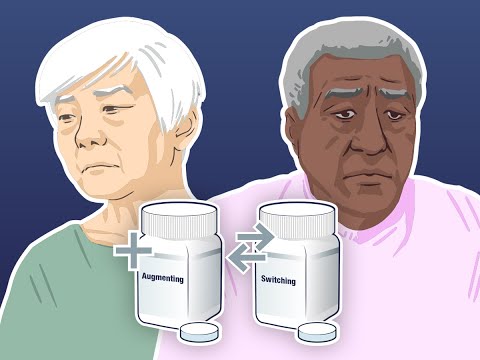
You know how sometimes you feel like the world’s a little heavy? Well, imagine carrying that weight for years. That’s kinda what depression can feel like for older folks.
A lot of people think aging means just, like, getting used to sadness. But that doesn’t have to be the case! Seriously, there are some really effective ways to help deal with this.
Trust me, understanding and treating elderly depression is super important. It’s not just about feeling blue; it can affect everything from health to relationships.
So let’s chat about some psychological approaches that can really make a difference. Because everyone deserves a chance to feel good again, no matter their age!
Discovering the Most Effective Psychological Approaches for Overcoming Depression
Depression in older adults can be really tough to deal with. As we age, life can throw a bunch of changes our way—retirement, loss of loved ones, health issues. It’s a lot to handle, and sometimes it feels like a heavy cloud just won’t lift. But there’s hope! There are effective psychological approaches that can help tackle this tough situation.
Cognitive Behavioral Therapy (CBT) is one of the most widely used methods. Basically, it focuses on changing negative thought patterns. You know how sometimes you get stuck in a loop of bad thoughts? CBT helps break that cycle. For instance, let’s say an elderly person feels isolated and starts thinking no one cares about them. A therapist might work with them to challenge that thought by exploring positive interactions they’ve had recently, helping them see things differently.
Another cool approach is Interpersonal Therapy (IPT). This one’s all about improving relationships and enhancing social support. When older adults feel connected to others, their mood can really brighten up! In therapy sessions, they might explore past relationships or current social difficulties and develop strategies for better communication with family or friends.
Then there’s Mindfulness-Based Cognitive Therapy (MBCT). It combines traditional CBT with mindfulness practices like meditation and breathing exercises. This helps people become more aware of their thoughts and feelings without judgment—kind of like watching clouds float by instead of getting stuck in them. Imagine a grandma learning to breathe through her worries; it gives her some control back.
Additionally, Behavioral Activation has shown effectiveness too. This method encourages individuals to engage in activities that bring pleasure or purpose back into their lives—like gardening or volunteering at local shelters. Picture an elderly man whose days have been pretty dull suddenly joining a community gardening club because his therapist suggested just getting outside more.
Family involvement is also super important in these approaches. Having loved ones onboard can make a huge difference—you really need that support system around you! Sometimes therapists even involve family members in sessions so everyone understands how best to help each other through tough times.
Just remember: no single approach works for everyone; it’s about finding what clicks with the person dealing with depression. So if you see your loved one struggling, encourage them to talk to someone who knows what they’re talking about—someone who can guide them through different options tailored just for them.
So there you have it: cognitive behavioral strategies along with mindfulness techniques and family support create a strong pathway toward overcoming depression in the elderly population! It takes time and patience but hey, every little step counts toward feeling better. And honestly? That’s what matters most in the end—finding ways back towards joy amidst life’s challenges!
Effective Psychological Interventions for Supporting Mental Health in the Elderly
Supporting mental health in the elderly is super important, especially when it comes to depression. As we age, various changes—like physical health issues or losing loved ones—can really affect our mood and overall well-being. Let’s talk about some effective psychological interventions tailored for older adults.
Cognitive Behavioral Therapy (CBT) is one of those go-to approaches. Basically, it helps people identify and change negative thought patterns. For instance, if someone believes they’re a burden to their family, CBT can help shift that perspective. You know? It offers practical techniques for managing those thoughts and feelings.
Interpersonal Therapy (IPT) is another strong contender. This one focuses on improving personal relationships and social support systems. Older adults sometimes feel isolated, which can worsen depressive symptoms. IPT encourages better communication skills and can help them reconnect with friends or family members.
Group Therapy can be a game-changer too. Picture this: older adults sitting in a circle, sharing stories and experiences over coffee or tea. They realize they’re not alone in their struggles! Those connections can alleviate feelings of loneliness and provide a sense of community.
Then there’s mindfulness-based approaches. These techniques teach individuals to be present in the moment and cultivate awareness without judgment. Imagine someone focusing on their breathing instead of worrying about past regrets or future anxieties—it’s powerful stuff! Plus, research shows mindfulness can reduce symptoms of depression over time.
Also worth mentioning are remotely delivered interventions, like teletherapy or online support groups. Some may feel hesitant about tech, but it helps bridge gaps when mobility is an issue or when transportation becomes tough.
Lastly, involving family members in therapy can have significant benefits too! Educating families on how to best support their elderly loved ones creates a buffer against isolation and enhances understanding.
So, basically these interventions work off the idea that mental health care for older adults should be holistic and inclusive. With the right combination of therapies tailored to each individual’s needs, it’s absolutely possible to improve their quality of life and give them back some joy—and isn’t that what we all want?
Top Treatment Options for Depression in Older Adults: Finding the Best First Choice
Depression can hit hard, especially in older adults. It’s not just about feeling sad; it can affect energy levels, sleep, appetite, and that zest for life. So, tackling it effectively is super important. Let’s break down some top treatment options for depression in older folks.
Psychotherapy is usually one of the first choices. It’s like talking to a friend who really listens and helps you untangle those messy feelings. Cognitive Behavioral Therapy (CBT), for instance, focuses on changing negative thought patterns. You might be surprised by how much shifting your mindset can help lighten the load.
Another great option is medication. Antidepressants are often prescribed to help balance chemicals in the brain that affect mood. SSRIs (Selective Serotonin Reuptake Inhibitors) are commonly used because they tend to have fewer side effects than older meds. But finding the right medication isn’t always a walk in the park—it can take some time and adjustments.
Then there’s exercise. Seriously, getting moving can do wonders! Regular physical activity releases endorphins, which are basically your brain’s natural mood lifters. A simple daily walk or joining a tai chi class could make a big difference.
Don’t forget about social support. Staying connected with friends and family matters more than you might think! Whether it’s a weekly coffee date or participating in community events, these connections can provide emotional nourishment and reduce feelings of loneliness.
Also important is mindfulness and relaxation techniques. Practices like meditation or deep-breathing exercises have shown promise in reducing stress and improving overall mood. It’s about finding peace in the present moment—something we all could use more of!
You know what else? Sometimes, depression goes hand-in-hand with other health issues like chronic pain or heart problems. So treating those conditions alongside depression can also be key to feeling better overall.
Electroconvulsive Therapy (ECT), although maybe sounding intimidating, has been effective for severe depression when other treatments haven’t worked. It’s usually only considered after exploring other avenues but can really help some people regain their quality of life.
Lastly, always keep an open dialogue with healthcare providers about what you’re experiencing. That way adjustments to treatment plans can be made based on what works best for you personally.
Finding the right treatment approach for depression isn’t one-size-fits-all; it often takes some trial and error. But remember—you’re not alone in this journey! There are so many avenues out there toward feeling better again.
You know, dealing with depression in older folks is kind of like navigating a tricky maze. It’s not just about feeling blue; it can really mess with their quality of life. And I think we often overlook how common it is in the elderly.
I remember chatting with my neighbor, who’s in her late seventies. She used to be full of life, always baking cookies and hosting game nights. But after her husband passed away, she went kinda quiet, withdrawn. It hit me hard seeing her become a shadow of herself. She mentioned feeling overwhelmed by sadness, and I realized—wow—she might be facing depression.
There are some really effective psychological approaches to help elder people through this tough time. One biggie is cognitive-behavioral therapy (CBT). Basically, it helps them challenge and change negative thought patterns, which can be super helpful when they’re feeling stuck in a rut.
Then there’s interpersonal therapy (IPT), which focuses on improving relationships and social functioning. Honestly? That makes so much sense! If an older adult feels isolated or is struggling with grief or role changes, talking about it can really help bring back that spark.
And let’s not forget the power of group therapy! Being around peers who get it can make such a difference; sharing stories can lighten the load so much! It’s like having a support system that says: “Hey, you’re not alone; we’re in this together.”
But you know what? The thing that ties all these approaches together is the importance of building trust. Taking time to connect and listen genuinely can make all the difference. When they feel heard and understood, it opens up pathways for healing that might seem impossible otherwise.
Seeing someone like my neighbor find her voice again after going through therapy was a reminder that there’s hope out there. It doesn’t always happen overnight—it can take patience—but little by little, those feelings of joy and connection can come back. So yeah, it’s crucial to approach elderly depression with compassion and sprinkle in those effective psychological methods to help navigate this winding maze together.