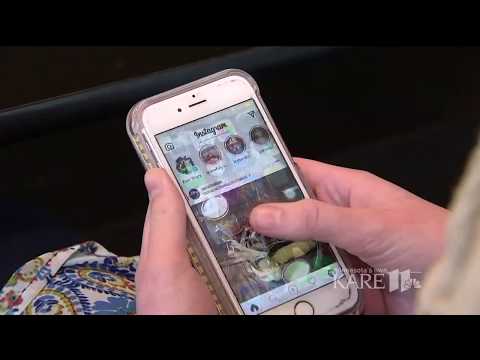
You know how you scroll through Instagram and see all those perfect lives? It’s like everyone’s out there living their best life. But behind those filters, things can be really different.
So many folks are dealing with heavy stuff, like depression. And it’s wild how social media shapes what we think about it. Like, do we even get what depression looks like anymore?
Sometimes, I can’t help but wonder if those perfectly curated posts make us feel more alone. Or even worse, do they mess with how we see our own struggles?
Let’s chat about this and dig into how Instagram is tangled up in all of it—perception, reality, and everything in between.
The Impact of Instagram on Perceptions of Depression: A Comprehensive Analysis
The way we see depression has changed a lot, especially with social media around. Instagram, in particular, has played a huge role in this shift. It’s not always easy to look at how it shapes our views and feelings about mental health, so let’s break it down a bit.
First off, Instagram is all about visuals. You scroll through pictures and stories that can paint a pretty perfect life for people. But here’s the kicker: those images don’t always show what’s really happening behind the scenes. When you see someone smiling in a beach pic or holding a cute puppy, it might make you think everyone else’s life is amazing while yours isn’t. This can really mess with how you view your own mental health.
Social Comparison is a big deal on Instagram. You might find yourself comparing your day-to-day struggles with someone else’s highlight reel. That can lead to feelings of inadequacy or even depression because you start thinking, “Why can’t I be like that?” It creates this false sense of reality that’s hard to escape from sometimes.
Then there’s the issue of Validation Seeking. Many users post about their struggles with depression to seek support or understanding, but sometimes those posts are more about getting likes and comments than generating real conversations. Sure, sharing can create connections but also risk turning genuine issues into just another trend or attention-seeking behavior.
It doesn’t stop there! The tone on Instagram tends to lean towards glamorizing mental illness, which is complicated. You’ve probably seen quotes that romanticize pain and suffering; they can feel relatable yet dangerously misleading. Like when someone mentions being “broken” in a poetic way; it pulls at your heartstrings but also risks trivializing real experiences of depression.
Another point worth mentioning is the Influencer Effect. When popular figures open up about their battles with depression, it raises awareness but can also create unrealistic standards for recovery. People sometimes think they should be able to “snap out of it” or follow specific advice from influencers as if that could work for everyone—spoiler alert: it doesn’t!
Interestingly, there are also some positive aspects of Instagram’s influence on perceptions of depression. It provides space for community-building where people share their experiences and coping strategies openly which can help reduce stigma—pretty important stuff! Finding support from others who get what you’re going through can actually be very comforting.
So yeah, the impact of Instagram on perceptions of depression is pretty complex—like most things in life! While it offers opportunities for connection and awareness, there’s also a flip side that we can’t ignore: unrealistic comparisons, seeking validation without depth, and trends that might not truly reflect what people go through daily.
We need to remember to take care while scrolling through those feeds and keep questioning what we see versus reality—not everything is as perfect as it looks! Keep looking after yourself and stay aware of how social media affects your thoughts on mental health—it really matters!
How Instagram Influences Our Understanding of Depression: Insights from 2021
Instagram has become a massive part of our lives, you know? It’s not just about pretty pictures anymore. It’s also influencing how we see mental health conditions like depression. In 2021, this was more evident than ever. Let’s break down some of the critical ways Instagram shapes our understanding of depression.
Visual Storytelling
Instagram is all about visuals. People share their experiences through images and videos, which can be powerful but also misleading. Think about it: when someone posts a melancholic image with a heartfelt caption, it can evoke empathy but also create a skewed perception that everyone who struggles with depression expresses it in that way.
Highlighting Vulnerability
A lot of influencers and everyday users started opening up about their struggles with mental health, including depression. With hashtags like #depression or #mentalhealthawareness trending, the conversations became more visible. This openness can help normalize these feelings for many people but can also lead to feelings of inadequacy if others’ experiences seem more overwhelming or severe.
Comparison Culture
Scrolling through perfectly curated feeds can have a double edge. On one hand, it shows you that you’re not alone in your feelings; on the other hand, it sets up unrealistic expectations about happiness and success. You might end up thinking everyone else is living their best life while you’re stuck feeling down, right? It’s tough when those glossy snapshots don’t reflect real life.
The Role of Community Support
Online communities formed around mental health topics have both pros and cons too. There are spaces where people can share their experiences and get support from others who understand what they’re going through. But sometimes this community can unintentionally perpetuate toxic positivity—like when people encourage “just think positive” instead of validating the struggle itself.
Misinformation and Stigma
Here’s the kicker: misinformation spreads just as easily as good advice on Instagram. Some posts may glamorize depression, hinting at romantic notions around suffering rather than depicting it as a serious condition needing treatment. This glamorization risks trivializing real pain for many individuals struggling with these issues daily.
In 2021, these dynamics played out in nuanced ways across Instagram feeds everywhere—shaping views on what living with depression looks like while impacting personal understanding and societal perceptions alike. It’s all interconnected! So yeah, while Instagram has opened up vital avenues for conversation around mental health, it’s also essential to approach this platform critically. You got to look past those filtered moments to find what really matters: genuine connection and understanding about our shared struggles with mental health.
How Instagram Influences Depression Perceptions: Insights from 2022
Instagram is a powerful tool, isn’t it? It shapes how we see the world and how we see ourselves. One of the big things it influences is our perception of mental health, especially depression. In 2022, that impact became even more clear.
So, what’s happening here? Well, on Instagram, people often share highlight reels of their lives. You know? The perfect vacation pics, those amazing brunches, or stunning outfits. When you scroll through those feeds, it can feel like everyone else has their life together while you’re just trying to get out of bed in the morning. This comparison game can lead to feelings of inadequacy and low self-worth.
Social Comparison is a major player in all this. Many people find themselves comparing their real lives to these curated moments online. Studies have shown that constant exposure to idealized images can lead to increased feelings of depression and anxiety. You might think, “Why can’t I be happier like them?” But the truth is, most people are only showing a slice of their reality.
Curated Content also plays into this whole thing. Users often edit or filter their lives to present something more attractive—life’s not all sunshine and rainbows for anyone! As you scroll through these perfectly filtered images full of smiles and fun times, you might forget that behind every post is a real person with struggles too.
And let’s talk about engagement. When someone posts about their mental health struggles or shares how they’re feeling low, they’re sometimes met with mixed reactions. Some followers offer support and encouragement—it’s heartwarming! But others might downplay those feelings or even criticize them for sharing too much online. This can make people hesitant to open up about their own struggles for fear of judgment.
Then there’s the issue with hashtags. Mental health hashtags can help raise awareness but they also create echo chambers. You start clicking on tags like #depression or #mentalhealthawareness and suddenly your feed is filled with posts that amplify those feelings rather than provide solutions or hope.
A little while back, I heard from a friend who started feeling really down after seeing so many posts about mental wellness and self-care routines that seemed unattainable for her. She described it like running on a treadmill set on high speed—exhausting! Even though she knew those posts were just snippets from other people’s lives, it still affected her mood.
To wrap it all up: Instagram’s influence on perceptions of depression isn’t straightforward; it’s complex and layered. While social media can foster community and understanding around mental health issues when misused or overly curated, it can leave many feeling worse than before they logged in.
It’s super important to remember that everyone’s journey is different—even if they look perfect on Instagram! And if you find yourself feeling pressured by what you see online? Maybe it’s time for a digital detox or at least a break from scrolling!
So, you know how Instagram is like this huge part of our lives now? It’s everywhere, and people are sharing all kinds of stuff—travel photos, food pics, cute pets. But here’s the thing: it’s also become a place where people talk about mental health, particularly depression. I mean, it’s kind of a mixed bag, right?
On one hand, scrolling through your feed can be a bit like wandering into a minefield. You see those perfectly curated lives and shiny smiles, and it’s easy to feel like you’re missing out. Like, you might think everyone else has it together while you’re just trying to get off the couch. That comparison can hit hard and leave you feeling more isolated. Remember that time a friend showed you their vacation photos? They looked so happy while you were struggling with daily tasks—it stings a little.
But then there’s the flip side. Instagram has also become this platform where people share their struggles honestly. You’ll see posts where folks open up about their battles with depression, showing the real stuff behind those glossy selfies. Like, someone might post a picture looking all done up but then share in the caption how they were thinking about giving up that day. It humanizes everything—you realize everyone has tough days no matter how picture-perfect they seem.
Plus, hashtags like #MentalHealthAwareness create communities online. When you find others who get what you’re going through, that connection can feel grounding in chaotic times. It brings visibility to issues that often get brushed under the rug.
So yeah, Instagram’s role in shaping perceptions of depression is complex. It can fuel feelings of inadequacy but also build bridges for conversation and support. The key is probably balance—being mindful of who and what you’re following while using the platform to connect with your authentic self and maybe lift each other up along the way. It just goes to show how powerful social media can be in both good ways and bad ones!