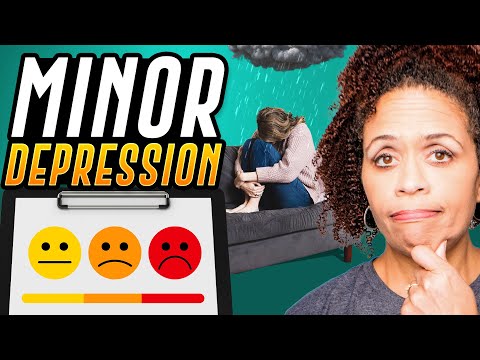
So, let’s talk about depression for a sec. You know, that heavy cloud that sometimes hangs over you?
It’s not just feeling sad. It can come with a whole playlist of emotions.
Maybe you’ve been there, right? Like when getting out of bed feels like climbing Everest. Or when things that used to light you up just seem… blah.
But here’s the thing: recognizing those signs is key. It’s like holding up a mirror to what you’re feeling, even if it’s hard to look at sometimes.
Let’s unpack this together and see what those feelings really mean, okay?
Recognizing the Signs: A Guide to Identifying Feelings of Depression
Recognizing when you’re feeling depressed can be tricky. Sometimes, it creeps in slowly, and before you know it, you’re feeling off but can’t quite put your finger on why. It’s like when you’re driving, and suddenly you realize you’re a little lost—you didn’t notice the turns you took. Here are some common signs to keep an eye on.
Persistent Sadness or Low Mood: This one’s huge. If you’ve been feeling down for most of the day, nearly every day, for more than two weeks, that’s a big clue. It’s not just a bad day; it’s a lingering cloud that doesn’t seem to lift.
Loss of Interest: You know how there are activities that usually light you up? Like hanging out with friends or diving into your favorite hobbies? Well, if those things start to feel boring or uninteresting, that’s a red flag. It might feel like your joy switch has been turned off.
Changes in Sleep Patterns: Are you sleeping way more than usual or having trouble falling asleep? Both extremes can signal depression. Picture this: Sarah used to love her eight hours but suddenly found herself awake at three in the morning, staring at the ceiling—definitely not fun!
Fatigue or Lack of Energy: Feeling like you’re running on empty all the time isn’t normal. If even little tasks leave you wiped out for hours afterward, something’s up. It’s like trying to sprint with weights tied to your ankles.
Changes in Appetite: This could swing in either direction—eating loads more or barely eating at all. Maybe Tom used to enjoy his meals but now feels sick just thinking about food—this can really mess with your energy and mood.
Difficulties Concentrating: If it feels harder than usual to focus or make decisions, this could point towards depression too. Imagine trying to read a book but all the words are jumbled—it can be super frustrating.
Feelings of Worthlessness or Guilt: Do you catch yourself beating yourself up over small things? Constantly feeling like you’re not good enough? That’s tough stuff and often linked with depression.
Irritability or Frustration: Feeling easily annoyed by others or small inconveniences can also indicate something deeper going on. Like when Mike snapped at his coworker over an innocent comment—it wasn’t really about that moment; it was about everything else he was struggling with inside.
If any of these signs resonate with you—or if they seem overwhelming—it’s okay! The first step is recognizing what’s happening inside your head and heart. Yup, acknowledging those feelings is tough but super important! Seeking help from a mental health professional can make all the difference too; they can provide guidance tailored just for you.
Remember: You don’t have to go through this alone! Talking about what’s going on inside is vital for healing and finding your way back to brighter days ahead.
Recognizing the Signs: How to Identify an Impending Depressive Episode
Recognizing when a depressive episode is creeping in can be tough. You might feel like you’re walking around in a fog, like everything just feels heavy. It’s important to pay attention to those feelings because they can help you catch it early.
First off, let’s talk about emotional signs. If you find yourself feeling sad, empty, or hopeless for days on end? That’s a big red flag. And don’t forget about irritability or anger, especially if it seems to come out of nowhere. Maybe you’ve noticed that small annoyances suddenly feel massive, right?
Then there’s physical signs. Sometimes depression manifests in your body instead of your mind. Are you feeling tired all the time—even after a full night’s sleep? Maybe you’re losing interest in activities that used to bring you joy or finding it hard to concentrate at work or school. You know what I mean; it’s like trying to wade through glue just to get through the day.
Another thing is changes in your sleep patterns. Are you sleeping way too much or hardly at all? Either could signal that something’s off. It’s like your body is trying to tell you something important but can’t quite get the words out.
Also, watch for shifts in your appetite. Are you eating less or suddenly craving junk food constantly? These changes often sneak up on you and can be easy to overlook.
Remember how sometimes things can feel overwhelming? If you’re experiencing intense feelings of guilt or worthlessness without any real reason behind them, that’s another sign! It could be like carrying around an emotional backpack full of rocks—super heavy and tiring.
If these feelings persist over time and start affecting your daily life—like work, relationships, or self-care—you might want to take a step back and look at the bigger picture.
Sometimes talking with someone close can really help too—friends, family, even professional support if needed. The key is not ignoring those signs when they pop up because catching them early can make a huge difference down the line.
Pay attention! Being aware of these feelings could help you navigate out of that fog before it thickens too much. You’ve got this!
You know, recognizing the signs and feelings of depression can be a real trip. One moment, you might feel like you’re just in a funk. Then, out of nowhere, it hits you harder than you expected. For me, I remember a time when I was sitting in a crowded café, surrounded by laughter and chatter, yet it felt like there was this thick fog around me. Everyone seemed connected and alive, while I was just… floating.
So, what does depression even look like? It’s not always the classic sad face or constant crying—though that can certainly happen too. Sometimes it’s more subtle. You might find yourself losing interest in things you once loved—like hanging out with friends or even watching your favorite shows. Or maybe you feel this overwhelming fatigue that just won’t quit. It’s like your body’s saying “nope” even if your mind wants to do something fun.
Then there are those gnawing feelings of hopelessness that creep in. They say “what’s the point?” when you’re trying to think positively about things. And it can affect your sleep patterns too—either sleeping way too much or hardly at all because your mind is racing with thoughts you’d rather not face.
A buddy of mine went through something similar a while back. He used to love playing guitar and writing songs but one day he just… stopped picking it up. He’d sit there staring at it for hours but couldn’t find the energy or motivation to play anymore. It broke my heart to see him like that because music used to bring him so much joy.
And let’s talk about irritability—it’s not always sadness that shows up; sometimes rage or frustration bubbles over the surface for no apparent reason. You could snap at someone over something trivial and then feel guilty for days afterward.
The thing is, recognizing these signs is vital—not just for yourself but also for those around you who might be going through the same stuff without realizing it either. It’s okay to acknowledge those feelings instead of pushing them aside or pretending everything’s alright when it’s clearly not.
Being aware helps open doors—like chatting with someone about what you’re feeling or maybe reaching out for support from professionals who get it. No shame in that game!
Anyway, if any of this resonates with you—or makes you think of someone else—it might be worth taking a moment to check in on yourself or that friend who seems off lately because trust me: being open about our struggles can light the way back from that foggy place we sometimes find ourselves in.