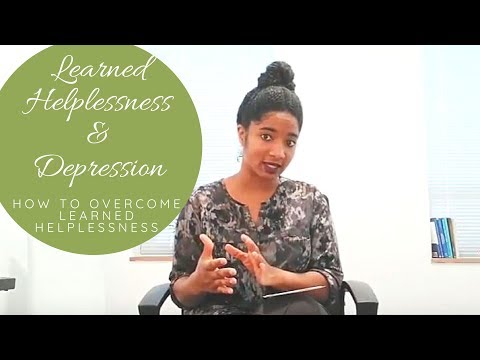
You know that feeling when everything seems just too much? Like, no matter what you do, it’s like you’re stuck in this endless loop of sadness?
Yeah, that’s depression for you. It can feel pretty overwhelming. And honestly, it’s super easy to fall into this trap called learned helplessness. It’s like you try and try but end up feeling like nothing ever changes.
But here’s the thing: You can break free from that cycle. Seriously! It might take some work, but there’s light at the end of the tunnel. So let’s chat about how to kick depression to the curb and shake off that heavy weight of helplessness together!
Overcoming Learned Helplessness: Effective Strategies to Reclaim Your Empowerment
Feeling stuck in a never-ending cycle of sadness can be tough, right? That’s where the concept of learned helplessness comes in. It’s that feeling you get when you think nothing you do actually makes a difference. It’s like trying to escape quicksand—no matter how hard you try, it feels pointless. But here’s the kicker: you can break free from that mindset! Let’s talk about some ways to reclaim your power.
Recognize Your Triggers
The first step is to notice what situations make you feel helpless. Is it work stress? Relationship issues? Maybe it even ties back to childhood experiences. By pinpointing these triggers, you can prepare for them and find ways to respond differently. For example, if interacting with certain people leaves you feeling down, maybe limit those encounters or change how you engage with them.
Set Small Goals
You don’t need to change everything overnight. Start with tiny steps! Set small, achievable goals that allow you to experience success. Let’s say you’re trying to get more active: instead of running a marathon next week, try going for a 10-minute walk each day for a week. Each small win builds your confidence and shows that your actions matter.
Cultivate Self-Compassion
You deserve kindness—especially from yourself! When you’re caught in that cycle of feeling helpless, it’s easy to beat yourself up over it. But try treating yourself like you’d treat a friend going through similar stuff. Remind yourself that it’s okay to struggle and that it’s part of being human.
Challenge Negative Thoughts
Your mind can be a real trickster sometimes! It’ll whisper thoughts like “I can’t do anything right” or “This will never get better.” But guess what? Those thoughts are not facts! Start questioning them: What evidence do I have against this thought? Create a list of counterarguments to those negative beliefs; it’s powerful stuff!
Build Supportive Connections
No one should go at this alone! Surround yourself with positive people who uplift and support you. Sometimes just talking about what you’re feeling can lighten the load in ways you’d never expect. Sharing experiences helps normalize your feelings, reminding you that you’re not alone in this struggle.
Practice Mindfulness and Relaxation Techniques
This might sound fancy, but mindfulness is about being present in the moment without judgment. Techniques like meditation or deep-breathing exercises can help reduce anxiety and reset your mind when those feelings of helplessness creep back in. Even just pausing for a few minutes each day can bring some peace into the chaos!
Seek Professional Help If Needed
You see? Overcoming learned helplessness is totally possible with patience and practice. Life doesn’t have to feel like quicksand forever! You have the tools within yourself—you just need to activate them one step at a time.
Exploring the Connection Between Learned Helplessness and Depression
Learned helplessness is this really interesting concept in psychology that can have a huge impact on how we experience life, especially when it comes to feelings of depression. Basically, when someone repeatedly faces negative situations and feels they have no control over them, they might start to believe they can’t do anything to change their circumstances. And that can spiral into a pretty dark place.
Imagine you’re failing a class no matter what you do. You study hard, attend every lecture, but the results just don’t reflect your effort. Over time, you might start thinking, “What’s the point? I’ll never improve.” This mindset? It’s learned helplessness in action.
When it comes to depression, the connection is pretty clear. People with learned helplessness often feel trapped and powerless. They stop trying because they believe any effort will be pointless. This feeling of hopelessness is a key part of depression. You know, it’s like being stuck in a rut where every attempt to climb out just seems futile.
Now, let’s break down how learned helplessness feeds right into the cycle of depression:
And here’s where things can get tricky. The more someone feels helpless, the less likely they are to pursue help or treatment for their depression. They might think therapy won’t work or that medication is just another dead end.
But hold on! There’s hope and ways to break this cycle!
Therapies like Cognitive Behavioral Therapy (CBT) can be super effective in tackling these beliefs head-on. The goal? Helping people recognize their thought patterns and challenge those negative beliefs about themselves and their ability to effect change.
And guess what? When you start seeing even small successes—like getting out of bed on a tough day—it starts shifting your mindset back toward hopefulness.
To make it even clearer: imagine someone who decides to take baby steps towards change—maybe by setting small goals each week or reaching out for support from friends or family. Those wins? They start to erode that sense of helplessness bit by bit!
So yeah, while learned helplessness can really drag someone down into the depths of depression, recognizing the pattern offers a pathway out—a light at the end of what seems like an endless tunnel! It all comes down to reclaiming control one tiny step at a time.
Understanding the 3 P’s of Depression: A Comprehensive Guide to Managing Mental Health
Understanding the 3 P’s of Depression is a way to get a grip on how our minds work when we’re feeling low. You know, sometimes it feels like you’re stuck in this pit of despair, and every step you take just makes it deeper. So, let’s break this down into three key parts: **Personalization**, **Pervasiveness**, and **Permanent**.
Personalization is about taking things personally. Imagine you’re at work and your boss gives some feedback that feels harsh. Instead of thinking, “It’s just feedback,” you might spiral into thoughts like, “I always mess things up.” That’s personalization—blaming yourself for negative events that often aren’t even about you! It can make you feel isolated and worthless.
Then there’s Pervasiveness. This one spreads through your thoughts like a dark cloud over everything good in your life. When an issue comes up, it can feel like it affects every aspect of your existence. For example, you might fail a test and suddenly think, “I’m terrible at school,” even if you’ve done well before. It’s that sense that bad stuff seeps into all areas—friends, family, self-worth—you follow me?
Now let’s get to the final P: Permanent. This is where things really start to feel hopeless. You might think there’s no way out or that you’re always going to feel this way. Like when someone breaks up with you and it feels devastating; it’s hard to see any light ahead. You might convince yourself you’ll never be happy again.
So how do these 3 P’s connect to learned helplessness? Well, if someone keeps experiencing negative events—like failing at school or dealing with relationship issues—they may begin to believe they have no control over their life. It’s like being stuck on a hamster wheel; no matter how hard you try, nothing changes.
But notice how recognizing the 3 P’s can help shift your perspective? When you find yourself personalizing something negative, challenge that thought! Ask: “Is this really my fault?” Or when pervasiveness creeps in, remind yourself there are good things too—it’s not all bad! And as for permanence? Train your brain to question those thoughts by saying things like: “This feeling will pass.”
By keeping an eye on these three things—and actively working against them—you can start steering yourself away from that cycle of learned helplessness toward something healthier. Remember: feeling better takes time; it’s not a race but rather a journey towards understanding yourself better!
You know, dealing with depression can feel like being stuck in a loop where nothing changes. It’s like you’re on this endless ride that you didn’t sign up for, and every time you think about getting off, the ride just keeps spinning faster. This whole cycle of learned helplessness really digs deep into the mind and messes with your understanding of what you can control, or think you can control.
I remember a friend of mine who went through a tough time. She felt like she was in this dark hole where no matter how hard she tried to climb out, she just kept slipping back down. She often told me about the moments when she’d think, “Why try? Nothing ever works out anyway.” And honestly? It broke my heart to see her lose that spark. That’s the weight of learned helplessness – feeling like all your efforts are useless because you’ve been knocked down so many times.
But here’s the thing: even when it feels impossible, change is still within reach. It might take some time and a lot of patience, but creating small shifts in those negative thought patterns can lead to real breakthroughs. Like my friend? She gradually started doing little things that made her feel empowered again—like setting tiny goals. Once she completed those goals, even if they seemed super simple at first—like taking a shower or going for a short walk—she began to rebuild her confidence incrementally.
The trick is not to tackle everything at once; it’s about finding those little victories that remind you that you have power over your choices. Slowly but surely, her mindset began to shift from feeling trapped to recognizing little sparks of hope and control in her life.
So if you’re feeling stuck in that cycle or know someone who is, remember: it’s totally okay to reach out for help. Sometimes just having someone listen can make all the difference—it opens doors to possibilities we might not see while grappling with our own thoughts.
In the end, overcoming depression isn’t easy—it’s not like flipping a switch—but acknowledging those feelings and working through them one step at a time can make it possible to break free from that cycle of helplessness. You’ve got this!