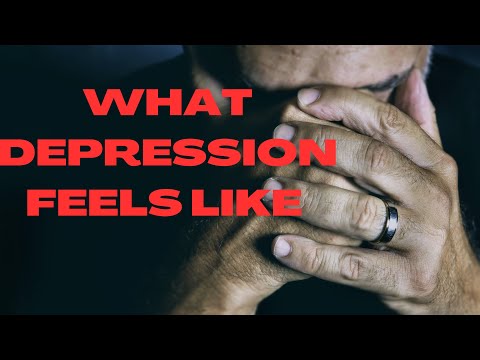
So, let’s talk about major depression. It’s that heavy feeling that sneaks in and sticks around way too long. You know, when just getting out of bed feels like climbing a mountain?
It can mess with everything—your mood, your relationships, even how you see the world around you. Sometimes it feels like a dark cloud that just won’t lift.
But here’s the thing: you’re not alone in this. Seriously, tons of folks are going through something similar. I’ve been there too, and I get how isolating it can feel.
Let’s dig into what major depression really is and how it shapes your day-to-day life. By the end of this, I hope you’ll feel a little more understood and maybe even hopeful.
Understanding the Impact of Major Depressive Disorder on Daily Life
Living with Major Depressive Disorder (MDD) can feel like wading through thick mud every single day. It affects not just your mood but also how you function in everyday life. You may find it hard to get out of bed, and even simple tasks feel overwhelming. It’s a tough battle, seriously.
MDD can impact your energy levels. You might wake up feeling exhausted, and no amount of sleep seems to help. It’s like dragging a heavy weight around all day. So, you might push off getting ready for work or hanging out with friends, which can make you feel even more isolated.
Your ability to concentrate is affected too. Imagine trying to read a book but the words are just swimming on the page. You know you should be able to focus, but it’s like your brain is stuck in slow motion. This makes completing tasks at work or school super challenging.
Social relationships often take a hit. When you’re feeling low, it’s easy to withdraw from people. You might cancel plans last minute or avoid outings altogether. Friends may not understand why you don’t want to hang out anymore, which can lead to feelings of guilt and loneliness.
Physical health isn’t spared either. Depression can mess with your appetite and sleep patterns. Some people eat more when they’re down, while others lose their appetite completely. And then there are the restless nights where sleep just doesn’t come easy—it’s like being trapped in an endless loop of exhaustion.
Stress rises too because everything feels harder and busier than it used to be. And that kind of pressure? Not good for anyone! Juggling work responsibilities while dealing with depression is no walk in the park.
But there’s hope; treatment options are available. Therapy often helps manage depression by providing tools and techniques for coping better with daily struggles. Sometimes medications may also be prescribed if needed—although they aren’t magic pills.
What’s vital here is that you’re not alone. Many people face this challenge every day, and reaching out can make a huge difference—whether it’s talking to a therapist or confiding in a friend. The journey might be tough, but supporting each other is what keeps us moving forward.
So when life feels heavy due to Major Depressive Disorder, remember: understanding its impact helps pave the way toward healing and finding ways back into the sunlight again.
Effective Strategies for Coping with Major Depression: A Comprehensive Guide
Major depression can feel like a heavy blanket, weighing you down in ways that are hard to describe. You might find it affects your mood, energy levels, and even how you see the world around you. But don’t worry, there are strategies you can use to cope with these tough times, and they can actually make a difference.
Get Moving
Exercise is one of the most effective ways to combat depression. It doesn’t have to be a marathon; even a daily walk around the block can help. The reason? Physical activity releases endorphins—those feel-good chemicals in your brain. So, when you’re feeling low, try to lace up your sneakers and move your body. You probably won’t jump right into it at first, but just getting out for a few minutes can help.
Talk It Out
Talking to someone about what you’re going through can be incredibly helpful. Whether it’s a friend, family member, or therapist, sharing your thoughts can lighten that load. You might think nobody gets it or that you’ll just burden them more. But often people want to support you—they really do! Plus, voicing what’s in your head makes it feel less overwhelming.
Establish Routines
Creating daily routines can give your day structure and purpose. When you’re dealing with major depression, even simple tasks like showering or making breakfast might feel huge. Having a set routine helps you tackle each task step by step. Maybe set a regular time for waking up or eating meals—small yet significant changes.
Practice Mindfulness
Mindfulness techniques like meditation or deep-breathing exercises help calm those racing thoughts that come with depression. Just sitting still for five minutes and focusing on your breath can center you—seriously! There are plenty of apps available if you’re not sure where to start.
Nourish Your Body
What you eat affects how you feel—it’s true! Diet plays a role in mental health too; so try incorporating whole foods like fruits, vegetables, lean proteins, and whole grains into your meals. Avoid too much junk food because it might make those low days tougher to handle.
Set Small Goals
When you’re depressed, big tasks might look insurmountable. Instead of thinking about everything at once, break things down into smaller goals—even tiny ones! For example: instead of aiming to clean the whole house today, maybe just focus on one room or even one corner of it.
Avoid Substance Use
It’s tempting to self-medicate with alcohol or drugs when things get rough—but this usually makes everything worse in the long run. While they might provide temporary relief from feelings of sadness or loneliness at first—they tend to spiral into more problems later on.
Create Connections
Isolation is often part of depression—it feels easier not to reach out sometimes. But connecting with others can be an antidote! Find local groups focusing on interests you have; let’s say art classes or book clubs—to meet new people who share similar experiences.
Coping with major depression is no easy feat—it takes patience and persistence—but using these strategies may boost your resilience over time. And remember: if nothing seems to work and things keep feeling tough for too long? Don’t hesitate reaching out for professional help; there’s no shame in needing extra support!
Major depression, wow, it’s a heavy topic, isn’t it? I mean, we’ve all heard about it, and maybe some of us have even felt its grip at one point or another. Basically, major depression isn’t just the kind of sadness that passes after a rough day. It’s more like this thick fog that rolls in and sticks around, making everything feel so much harder.
Picture this: you wake up one day feeling like you’re carrying a weight on your chest. Getting out of bed? Yeah, that sounds exhausting. And suddenly things you once loved—like hanging out with friends or even enjoying your favorite show—just don’t have the same glow anymore. It can feel incredibly isolating.
But here’s the thing—it’s not just about feeling sad or low-energy. Major depression messes with your sleep patterns and appetite too. Some people can’t sleep at all while others might just want to snooze all day long. And food? Well, it can either feel like an unappetizing chore or comfort food becomes their constant partner-in-crime.
And let’s talk about how this impacts relationships; it’s no walk in the park for anyone involved! Sometimes, those close to us don’t know what we’re going through—or worse, they might think we’re just being difficult when we push them away. You find yourself canceling plans more often than not because socializing feels like scaling a mountain.
There was this time I was really down; everything seemed grey and dull. My friend reached out to me; she could see something was off—but I couldn’t explain it well enough to her without feeling like I was burdening her with my emotions. I ended up shutting down more than opening up. It’s wild how isolation can feel both comfortable and lonely at the same time.
This is why understanding major depression is so crucial—not just for those experiencing it but also for friends and family who want to help but don’t know how to approach it without sounding cliché or dismissive. Believe me when I say simple phrases like “I’m here for you” can make a world of difference.
Now, treatment comes in various forms: therapy can be such a lifeline! Talking things through may help lighten that fog bit by bit. Some folks find medication beneficial too—though it’s definitely not one-size-fits-all.
Life doesn’t magically fix itself overnight when you’re dealing with major depression, but recognizing its effects is a big step toward healing—and helping others understand what you’re going through makes the journey feel less lonely somehow! So yeah, if you or someone you care about is navigating this darkness right now, remember—it’s okay to reach out and talk about it!