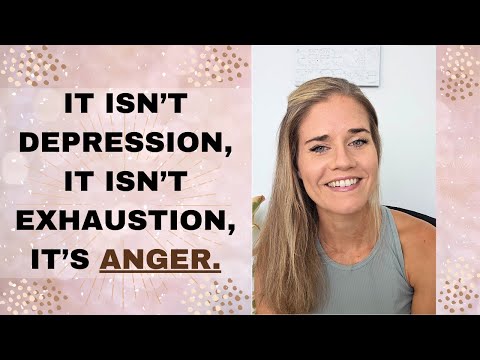
You know that feeling when you’re just furious about something? Like, it’s just simmering under the surface. But beneath all that rage, there might be something else going on.
Yeah, I’m talking about depression. It’s not always this sad, heavy thing. Sometimes, it wears a mask of anger instead. You’re feeling agitated and irritable, but maybe you’re also feeling kinda lost and empty.
So here’s the deal: let’s chat about how anger can sometimes be a cover-up for deeper emotional struggles. It’s wild when you think about it! You could be acting out and snapping at people while feeling totally down inside.
And honestly, figuring this out can be a game changer for understanding ourselves better. So let’s dig into this crazy dynamic together!
Understanding the Connection: How Anger Transforms into Depression
When you think about anger and depression, they might seem like totally different emotions. But, surprise! They’re often connected in a really complex way. Like, let’s say you’ve had a tough week at work. You feel frustrated, maybe even angry about how things are going. That anger can stick around for a while if it’s not dealt with properly.
So what happens when anger doesn’t get resolved? Well, it can slowly turn into something else—depression. You might think of it as a sort of emotional trade-off. Instead of shouting or expressing that anger, you end up bottling it up. Over time, those bottled-up emotions can weigh heavily on your mind and spirit.
Check this out: when we’re angry, the body releases stress hormones like adrenaline. This is great for a short burst of energy or fight-or-flight responses but not so great if that anger lingers on without resolution. Eventually, that stress builds up inside and can morph into feelings of hopelessness or sadness.
Consider this: someone who’s super angry might start feeling low energy or lose interest in activities they used to love. The frustration doesn’t just fade away; it changes form into something darker—like the gloomy mood that comes with depression.
Another thing to keep in mind is how **anger expression** varies from person to person. Some people blow up like a volcano; others get icy cold and withdraw completely. This withdrawal can be particularly dangerous because friends and family might not even recognize the underlying sadness masked by anger.
Let’s dive into some key points about this connection:
- Unresolved Anger: When we don’t confront our anger directly, it festers.
- The Body Responds: Anger triggers stress hormones which can lead to mental fatigue.
- Emotional Trade-Offs: Bottling feelings fuels depression.
- Diverse Expressions: Not everyone expresses anger the same way—some go quiet while others explode.
Okay, here’s an example: imagine your friend Sam gets passed over for a promotion at work and feels furious about it. Instead of talking about his feelings or confronting his boss (which could be tough), he shuts down emotionally—skipping social events he once loved and isolating himself more and more. Over time, that simmering rage transforms into deep sadness because he feels powerless to change his situation.
In many cases, folks aren’t aware that their anger is hiding their depression; it’s just easier to express one than the other! That’s why talking things through with someone—a friend or therapist—is super important; they can help pull back those layers and understand what’s really going on beneath the surface.
So yeah, if you ever find yourself—or someone you know—caught in this cycle where anger seems to take center stage while darkness creeps in from behind, reach out! That first step towards understanding what you’re feeling could make all the difference.
Choosing the Right SSRI for Managing Anger: A Comprehensive Guide
Managing anger can be a real struggle, especially when it’s connected to deeper issues like depression. You might not even realize your anger is hiding something else. It’s tricky, you know? Sometimes people feel mad, thinking that’s the main problem, but there’s usually more going on beneath the surface. That’s where selective serotonin reuptake inhibitors (SSRIs) can come into play.
SSRIs are usually prescribed for depression and anxiety, but they can also help with anger issues. The thing is, picking the right SSRI isn’t always straightforward. So let’s break it down a bit.
Understanding SSRIs
SSRIs work by increasing serotonin levels in your brain. Serotonin is like that friend who helps keep everyone calm and happy. When your levels are off, it can lead to all sorts of emotional chaos – including anger outbursts! But choosing one isn’t like picking ice cream at your favorite shop; each has a different flavor and effect.
- Fluoxetine (Prozac): This one often helps with both depression and anxiety symptoms effectively. Some people find their irritability decreases as their overall mood lifts.
- Sertaline (Zoloft): Zoloft is known for its ability to ease not just depression but also social anxiety and obsessive-compulsive behaviors, which can accompany anger.
- Citalopram (Celexa): Sometimes prescribed for its mild side effects, Celexa can boost mood while calming that burning frustration.
- Escitalopram (Lexapro): This one is great for those who may experience high anxiety alongside their anger issues.
Now remember that everyone reacts differently to these medications. What works wonders for one person may do little to nothing for another. Finding the right one can be a process of trial and error.
Working with Professionals
Talking to a mental health professional about your feelings is super important. Seriously! They will consider factors like your medical history or even other medications you’re on before choosing an SSRI for you.
You might want to discuss how long you’ve been feeling angry or if it pops up in specific situations—like during stress at work or in relationships. Maybe you’ve noticed how certain things set you off more than others? Being honest about these experiences helps them find the right fit.
It’s also worth mentioning side effects since they vary depending on which SSRI you’re taking. Some people deal with nausea or sleepiness initially. Others might notice changes in appetite or libido! It sounds kinda daunting, but most side effects fade as your body adjusts.
The Connection Between Anger and Depression
You know what else? It’s essential to understand how anger ties back to depression itself. Often folks who struggle with recurring anger haven’t really dealt with deeper sadness or feelings of worthlessness that come along with depression. So while the SSRIs may help calm the angry reactions, it could be crucial to address those undercurrents too—like through therapy or support groups.
An example comes to mind: A friend I know had explosive outbursts mostly directed at family members during stressful times at work—he didn’t realize he was actually battling long-standing feelings of low self-esteem and sadness until he started therapy alongside his medication.
Look, managing emotions isn’t always easy; don’t forget that progress takes time! If SSRIs sound appealing after talking with professionals, remember that patience is key during this journey of self-discovery—and healing from within can make a world of difference when dealing with anger-related issues linked to depression.
So there you have it! Choosing the right SSRI isn’t simply about picking something off a shelf; it’s understanding yourself better and finding what works best with guidance from those trained in helping people navigate this intricate path.
Exploring the Effects of Lexapro on Anger and Irritability: Can It Help You Find Calm?
So, let’s chat about Lexapro and how it might help with feelings of anger and irritability. Lexapro, or escitalopram as it’s formally known, is an antidepressant that’s commonly prescribed for anxiety and depression. But the thing is, a lot of folks deal with anger that pops up alongside these feelings too. Have you noticed that when you’re feeling low, little things can really set you off? It’s like your patience is on a tightrope.
When you’re dealing with depression, anger can often mask those underlying emotions, kind of like putting on a front. Maybe you’ve felt that way—like the world around you is just a bit too much to handle. You’re there trying to manage life but find yourself getting angry over small stuff that shouldn’t even bother you. That’s where Lexapro might step in.
How does it work? Lexapro increases the levels of serotonin in your brain, which is pretty important for mood regulation. Serotonin helps keep things balanced emotionally; think of it as the “feel-good” chemical. By boosting serotonin levels, it can help you feel less irritable and more at ease.
- Studiesshow that many people experience reduced irritability after starting treatment with Lexapro.
- This medication isn’t a magic pill; it can take several weeks to notice significant changes.
- It’s essential to talk to your doctor about any side effects or concerns before starting—or stopping—the medication.
Now, let’s talk about those moments when anger sneaks up on you. Remember last week when you snapped at someone because they asked if you’d fed the dog? You weren’t really mad at them; it was more about everything else piling up inside. That frustration can seem overwhelming when you’re already struggling with mental health issues.
The beauty of something like Lexapro is its potential to help bring down those heightened emotional responses so you can tackle issues without blowing up. Instead of reacting strongly to minor annoyances, there’s a chance you’ll be able to step back and respond more calmly.
An anecdote: A friend of mine was battling waves of anger and irritability after going through a tough time. He started taking Lexapro after discussing his feelings with his doctor. At first, he wasn’t sure if it was working until one day he realized he wasn’t losing his cool over trivial matters anymore—like when his favorite show got canceled! It was like he could actually breathe again instead of feeling stuck in a whirlwind.
If you’re considering this option, just remember: everyone’s body reacts differently. What works for one person may not work for another. That’s why having an open dialogue with your healthcare provider is crucial—they’ll help tailor what works best for you based on your unique situation.
The goal here isn’t just to dampen your emotions but rather to find balance and clarity amidst all the chaos life throws your way. And hey, learning how to manage anger while tackling underlying depression might end up being one of the best journeys you take towards healing!
You know, when we think about anger and depression, it’s easy to picture them as opposites. Anger’s this fiery explosion, while depression feels like a heavy fog weighing you down. But what’s wild is that sometimes, anger can actually be a shield for deeper feelings of sadness or hopelessness. Yeah, it’s like a mask.
I remember a friend of mine who always seemed so angry at the world. He’d snap at people for the smallest things—like someone cutting him off in traffic or forgetting to do their part in a group project. But when we dug deeper during one of our late-night chats over pizza, it turned out he was feeling lost and overwhelmed about work and life in general. It was like his anger was this loud alarm system trying to drown out the quiet despair underneath.
So why does that happen? Well, sometimes you might feel so deeply hurt or helpless that expressing those feelings feels impossible. Instead of crying or showing vulnerability—which can feel scary—you lash out instead. The anger feels more powerful; it’s almost like wearing armor against the world.
From a psychological perspective, this can be linked to something called «anger turned inward.» This means that instead of directing your frustration outward where others can see it, you hold onto it internally, which can lead to feeling miserable—kind of like being stuck under a weight you can’t shake off.
Also, societal norms play a big role here. Many people grow up hearing that expressing sadness isn’t strong or manly enough—so anger becomes the go-to emotion. Think about it: it’s way more acceptable to yell than to admit you’re feeling blue.
Navigating this tricky blend of emotions is tough. You might find yourself questioning why your mood swings from rage to despair in an instant—it’s all connected! Recognizing that your anger could point towards deeper depression is the first step toward understanding yourself better.
So if you’re feeling angry and can’t quite figure out why maybe take a moment—or several—to check in with yourself. Behind that fireball might be some tears just waiting for you to notice them! Being aware of this interplay between emotions can really help you figure out how you’re feeling on any given day and work through it without judgment.
Remember, it’s okay not to have everything figured out right away; that’s part of being human! You’re not alone in this weird emotional dance we call life.