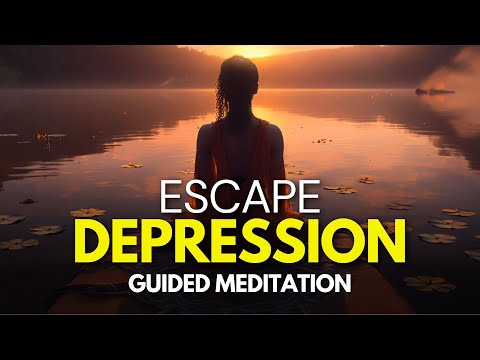
Hey there! So, let’s chat about something a lot of us deal with: depression. It can feel like this heavy blanket, you know? Like, when you just wanna shake it off but it doesn’t budge.
Well, here’s the thing—meditation might help lighten that load a bit. Seriously! It’s not all about sitting cross-legged and chanting mantras. There are some really cool ways to use meditation that can change the game for you.
Imagine finding a little calm in the chaos of your thoughts. Sounds nice, right? That feeling of ease might just be a few deep breaths away.
So, let’s dive into some meditation practices that could help ease those pesky depression symptoms. Ready to explore?
The Best Types of Meditation for Easing Depression: A Comprehensive Guide
Meditation can be like a gentle hug for your mind when you’re feeling down. Seriously, it’s a tool that many people find helpful in easing symptoms of depression. There’s not just one way to meditate; there are several styles that might help you find your zen. Let’s dig into some of the best types.
Mindfulness Meditation is super popular and involves just being present in the moment. You focus on your breath and let thoughts come and go without judgment. It’s like watching clouds float by—you notice them, but you don’t have to engage with them. This practice can reduce worry about the past or future, which often fuels feelings of depression.
Another great option is Loving-Kindness Meditation. This one focuses on self-compassion and sending good vibes to yourself and others. You start by silently repeating phrases like “May I be happy” or “May I be healthy.” Over time, it can shift how you view yourself and help foster more positive feelings.
Then there’s Transcendental Meditation (TM). TM involves silently repeating a mantra for about 20 minutes twice a day. The goal? To settle your mind into a deep state of rest while also awakening your awareness. This practice has been shown to reduce anxiety and depressive symptoms for many folks.
If you’re looking for something more structured, you might try Guided Meditation. There are tons of apps available where someone walks you through the process. It can be comforting to have someone guide you, especially if you’re starting out or feeling lost in your thoughts.
There’s also Movement-Based Meditations, like yoga or tai chi, that blend physical activity with mindfulness. These practices encourage you to connect mind with body while promoting relaxation and reducing tension—big wins when it comes to handling depression.
Breath Awareness Meditation deserves a mention too! Focusing solely on your breath helps ground you in the present moment. When anxiety creeps in, often our breath gets shallow. By practicing breath awareness, you learn how to slow down and take those deep breaths again.
Lastly, consider Chanting or Mantra Meditation. Repeating sounds or phrases rhythmically can create a meditative state that helps quiet racing thoughts. It’s almost like singing along to your favorite song—it lifts your spirit!
So basically, what works best really depends on what resonates with you personally. Some people find peace in silence while others prefer guidance or movement; experimenting may help uncover what feels right for you.
Whichever type you choose, it’s important to start small—maybe even just five minutes a day—and gradually build up from there if it feels good! Just remember: there’s no “right” way to meditate; it’s all about finding what gives *you* comfort and calmness during tough times.
Top Activities Proven to Alleviate Depression Symptoms: Find Your Best Fit
Finding ways to lift your mood when you’re feeling down can feel like a journey. Everyone’s different, so discovering what works for you is important. Here are some activities that have been shown to help with depression symptoms, including meditation practices that might just become your go-to.
Meditation is a big one. It’s all about being present and focusing on your breath or a particular thought. You don’t need a fancy space or lots of time—just a few minutes can make a difference. Sometimes, when I was feeling really low, just sitting quietly and focusing on my breath helped clear the fog in my mind.
Meditation comes in various forms:
- Mindfulness Meditation: This practice involves being aware of the present moment without judgment. Just notice your thoughts and feelings as they come and go.
- Guided Meditation: Here, you listen to someone leading you through relaxation or visualization exercises. Apps or online videos can be super handy for this.
- Loving-Kindness Meditation: This one encourages you to send love and well wishes to yourself and others. It’s surprisingly uplifting!
Beyond meditation, you might want to look into some physical activities. Seriously, moving your body can do wonders for your mood:
- Exercise: Even a daily walk can increase endorphins—the happy hormones! Just think about how great it feels when you’re sweating it out.
- Dancing: Who doesn’t love dancing? Put on your favorite jam and let loose. You might find yourself smiling without even realizing it!
Creative outlets can also help shift your perspective:
- Art Therapy: Grab some paint or doodle in a notebook—you don’t have to be Picasso! Expressing yourself through art can release pent-up emotions.
- Writing: Journaling about your feelings or thoughts can clarify what’s going on in your head. Plus, it helps track patterns over time.
Connecting with others is vital too. Isolation often makes depression worse:
- Talking with Friends: Reach out! Sharing how you feel with someone who cares can lighten the emotional load.
- Support Groups: It helps to talk with people who’ve been through similar stuff—it’s comforting knowing you’re not alone.
Lastly, never overlook the power of nature:
- Nature Walks: Getting outside, breathing fresh air, and being surrounded by greenery has been shown to improve mood significantly.
- Sensory Activities: Try gardening or just sitting by the ocean—these sensory experiences are calming and grounding!
The thing is, finding what resonates most with you takes time—and that’s okay! Experiment with different activities until something sticks. Remember that every little step counts towards feeling better; celebrate those wins! Everyone’s journey through depression is unique but sharing these experiences makes it feel lighter along the way.
Top Tools to Combat Depression: Effective Strategies for Wellness
So, let’s chat about depression and how some tools can really help you feel better. One effective approach that many people are turning to is meditation. By just taking a few minutes each day, you can potentially lighten your mood. Now, how does that work? Well, I’ll break it down for you.
Meditation isn’t some mystical practice reserved for monks on mountaintops. It’s just a way of focusing your mind and calming those racing thoughts. Seriously, even two minutes can make a difference if used right. So let’s look at some specific practices.
- Mindfulness Meditation: This is about being present in the moment. You focus on your breath and observe your thoughts without judgment. When my friend Sarah started this, she noticed her feelings didn’t dominate her as much. Instead of spiraling down into negativity, she could recognize when those thoughts popped up and let them go.
- Guided Imagery: Here, you use your imagination to create a peaceful scene in your mind—maybe a beach or forest. There are a bunch of apps that do this for you! Picture yourself walking through that tranquil place when you’re feeling low; it can be seriously soothing.
- Loving-Kindness Meditation: This one’s all about sending warmth and good vibes out to yourself and others. It might feel cheesy at first, but mentally repeating phrases like “May I be happy” really helps shift your mindset over time.
- Body Scan Meditation: This involves lying down and paying attention to different parts of your body sequentially—from head to toe or vice versa. It’s pretty cool because it brings awareness back to your body, helping release tension that’s built up from anxiety or stress.
Not convinced? Let me tell you about Jamie. He was dealing with the heavy weight of depression after losing his job. On his therapist’s advice, he tried meditation daily for just ten minutes each morning—even during days when he felt like nothing would help him anymore. Slowly but surely, he began feeling more in control of his emotions.
And you know what? The science backs this stuff up! Studies show that regular meditation can actually change brain activity related to mood regulation. So yeah, there’s real fire behind these tools!
Now, it’s important to remember that meditation isn’t a magic fix; it might work better when combined with other strategies like therapy or physical activity—don’t overlook those! If you’re thinking about starting meditation or’ve tried it before without much luck, remember: it’s okay if it takes time to find what works best for you.
In the end, don’t hesitate to give these practices a shot if you’re looking for ways to boost wellness during tough times! Every little step matters on this journey toward feeling better—trust me on that one!
You know, meditation is one of those things that can sound a little out there at first. I mean, sitting in silence and just… breathing? But it turns out there’s some real power in those quiet moments.
When I first tried meditating, I was pretty skeptical. It happened during a tough time when my buddy was going through some serious depression. He told me about how meditation helped him find a bit of peace amid the chaos swirling in his head. So I gave it a shot, thinking, “What have I got to lose?”
I started with just five minutes a day. Honestly? It felt silly at first—my mind was racing, thinking about everything from what to have for lunch to random lyrics from songs stuck in my head. But then something shifted. Day by day, those minutes turned into a bit of a refuge. It’s like I carved out this little space just for myself.
Meditation can look different for everyone, but focusing on your breath is usually the go-to method. You inhale deeply (like you’re trying to fill your belly) and exhale slowly (like you’re blowing out candles). You’d be surprised how grounding it feels! Some people like guided meditations where someone leads the way with calming words; others simply enjoy sitting in silence with soothing music or nature sounds.
And here’s the thing: Research shows that meditation can help alleviate symptoms of depression. This isn’t just some hippy-dippy notion—it’s backed by science! Studies suggest that regular meditation practice can reduce stress and anxiety and even improve your overall mood over time.
But let’s not sugarcoat it—it’s not magic, okay? It won’t fix everything overnight or replace therapy if that’s what you need. It’s more like building a muscle; the more you practice, the stronger your resilience becomes against difficult feelings.
So yeah, if you’re feeling low or anxious or just overwhelmed with life—and who isn’t sometimes?—consider giving meditation a shot. Even if it feels weird at first or your mind won’t stop racing (seriously, mine still does), just keep coming back to it whenever you can—and see what happens! You might find those few quiet moments become one of your best tools for coping with life’s ups and downs.