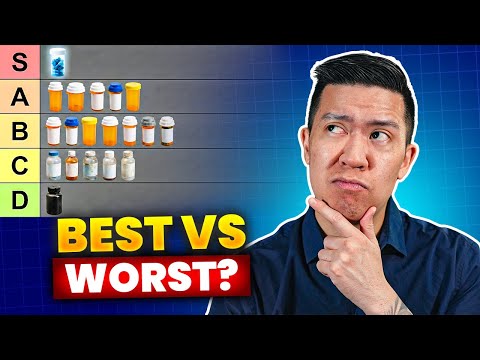
So, let’s chat about depression meds. Yeah, I know—kind of a heavy topic. But seriously, it’s super important stuff.
You might be wondering what’s out there and how they actually work, right? Well, it can feel a bit like wandering through a maze. Every turn reveals something new and confusing.
But you’re not alone in this! Lots of people are figuring it out too. It’s all about finding what clicks for you.
We’ll break down what’s available today. Don’t worry; it’s not going to be boring or full of medical jargon. Just plain talk about meds that could help lift your spirits.
Ready? Let’s go!
Comprehensive Guide to Antidepressants: Types, Uses, and What You Need to Know
Antidepressants can feel a bit like a maze, right? With all the different types and how they work, it’s easy to get overwhelmed. But don’t worry—I’m here to help break it down for you.
What Are Antidepressants?
Simply put, antidepressants are medications designed to improve your mood if you’re battling depression. They work by balancing certain chemicals in your brain known as neurotransmitters. This can help lift your mood and make life feel a little more manageable.
Types of Antidepressants
There are several key types of antidepressants, each with its own way of helping you feel better:
- SSRIs (Selective Serotonin Reuptake Inhibitors): These are probably the most commonly prescribed. They work by increasing serotonin levels in your brain. Think of serotonin as that happy chemical that helps lift your spirits.
- SNRIs (Serotonin-Norepinephrine Reuptake Inhibitors): Similar to SSRIs, but these also boost norepinephrine. This can be helpful if you’re feeling really low energy or fatigued.
- TCA (Tricyclic Antidepressants): A bit older and not used as much today due to side effects, but they can still be effective for some people.
- MAOIs (Monoamine Oxidase Inhibitors): These require dietary restrictions because they can interact with certain foods. But they’re sometimes used when other medications haven’t worked.
- Atypical Antidepressants: These don’t fit neatly into the categories above and have unique mechanisms, which means they might be an option if other meds haven’t worked out.
Uses of Antidepressants
While they’re mainly for depression, antidepressants can also help with other conditions like anxiety disorders, OCD, or even PTSD. It’s kind of impressive how versatile they can be!
Anecdote Time!
I had a friend who struggled deeply with depression for years. After trying therapy alone without much success, he finally decided to give an SSRI a shot. It was like watching someone come out of a fog! He started feeling more like himself again after just a few weeks.
Please Remember This!
Medication isn’t one-size-fits-all! What works wonders for one person might not do anything for another. It’s super important to have regular check-ins with your healthcare provider about how you’re feeling on medication.
Potential Side Effects
Like anything else—there’s always a flip side. Antidepressants can have side effects ranging from mild (like nausea) to more serious issues (like weight gain or changes in libido). You know yourself best, so don’t hesitate to reach out if something feels off.
To wrap it up: understanding antidepressants is all about knowing what’s available and recognizing that everyone’s journey is unique. It’s totally okay to seek guidance from professionals who know their stuff so you can find what works best for you!
The Happy Pill: Exploring the Science Behind Mood-Enhancing Medications
So, you’re curious about mood-enhancing medications? That’s totally understandable. These pills often pop up in conversations around mental health, and they’re designed to help folks who struggle with conditions like depression or anxiety. But what’s the deal with them? Let’s break it down.
First off, mood enhancers generally fall into different categories. The most common ones are antidepressants. They work by affecting chemicals in the brain that influence your mood and emotions. Think of them as little helpers that balance out those brain chemicals—like serotonin and norepinephrine—so you feel more stable.
Selective serotonin reuptake inhibitors (SSRIs), for instance, are a popular type of antidepressant. Medications like fluoxetine (Prozac) or sertraline (Zoloft) are SSRIs. They help increase the level of serotonin in your brain, which can really boost your mood after a while.
Then there are SNRIs, or serotonin-norepinephrine reuptake inhibitors. Meds like venlafaxine (Effexor) fall into this category. They not only target serotonin but also help increase norepinephrine levels, which is another chemical linked to mood regulation.
- Atypical antidepressants: These don’t fit neatly into the other categories and work in different ways. Medications such as bupropion (Wellbutrin), for example, can be kind of energizing instead of mellowing you out.
- Mood stabilizers: While mostly used for bipolar disorder, some people with severe depression may use drugs like lithium or lamotrigine to stabilize their moods.
- Antipsychotics: Sometimes these meds pop up on the list too, especially if someone needs additional support while tackling depression or anxiety symptoms.
You might wonder how these medications actually make you feel better. Well, basically they change how your brain circuits send messages to each other—that’s all part of how we experience emotions! But it’s not just about taking a pill—you have to give it some time. These meds aren’t instant fixes; they often take a few weeks before you start noticing any real changes.
And while many people find relief from their symptoms through these medications, it’s super important to remember that it’s not a one-size-fits-all situation. Each person might respond differently; what works for one person might not work for another.
This can lead to some trial and error during treatment—and that can be frustrating!
A personal story: I once knew someone who struggled for years with their depression before finding the right medication combo—it was almost like watching them come back to life! It took time and patience, but eventually they found relief and could embrace life more fully again.
If you’re thinking about mood enhancers for yourself or someone else, always talk to a healthcare professional first! They can guide you through options based on personal needs and medical history—as well as monitor side effects because those can happen too!
Finally, it’s good to note that while medications can be helpful tools for many people dealing with mental health issues, they’re commonly most effective when combined with therapy—or different supportive practices like lifestyle changes or mindfulness exercises.
So there you go; that’s a peek at the science behind the “happy pill.” It’s all about finding balance in your brain chemistry so you can feel more like yourself again! You follow me?
Safe Antidepressants in Pregnancy: A Comprehensive Guide for Expecting Mothers
When it comes to **antidepressants during pregnancy**, it’s a tricky topic, you know? Many expecting mothers face the dilemma of managing their mental health while also keeping their baby safe. Let’s break this down.
First off, it’s super important to understand that untreated depression during pregnancy can have risks. It can affect your health and your baby’s development. So, if you’re feeling low, don’t just tough it out—talk to your doctor about options.
Some antidepressants are generally considered safer than others for pregnant women. Here are a few commonly discussed options:
- SSRIs (Selective Serotonin Reuptake Inhibitors): These are usually the first choice for treating depression during pregnancy. Medications like sertraline (Zoloft) and fluoxetine (Prozac) fall into this category.
- SNRIs (Serotonin-Norepinephrine Reuptake Inhibitors): Another option is venlafaxine (Effexor). Some studies suggest SNRIs might also have a relatively low risk.
- Bupropion (Wellbutrin): This one’s different because it works on dopamine and norepinephrine. Some doctors may recommend it since it has a different side effect profile.
But here’s the thing: not every medication is right for everyone. You might have had a specific experience with one med that didn’t go well; that could impact what your doc suggests.
Now, let’s also talk about the risks involved because they’re important too, right? SSRIs can potentially lead to some complications like:
- Possible withdrawal symptoms in newborns
- An increased risk of premature birth
- Low birth weight
It doesn’t mean you shouldn’t take them; just make sure your healthcare provider monitors everything closely.
Here’s where things get emotional: I once spoke with a mom who was terrified about taking her meds while pregnant. She felt torn between her mental health and her baby’s safety. After chatting with her doctor, they found an SSRI that worked for her and made sure she had regular check-ins throughout her pregnancy. Having support made all the difference!
One big takeaway is that each pregnancy is unique, so never compare yourself to others or generalize too much from what you’ve heard or read online.
Lastly, remember: lifestyle changes can help too! Therapy’s always an option; sometimes combining therapy with minimal medication can do wonders!
So really, just keep communicating with your healthcare team, weigh those pros and cons together, and make the decisions that feel right for you and your little one. That way you’re setting both yourself and your baby up for success!
You know, when it comes to depression, it can feel like you’re navigating a maze. There are so many different medications out there, and honestly, it can be overwhelming just trying to figure out what might actually help you or someone you care about.
I remember a friend of mine who struggled with depression for a long time. She tried all sorts of things—therapy, exercise, even meditation—but what really made a difference for her was finding the right medication. It wasn’t an easy journey; she had to go through several different options before landing on one that actually worked. So yeah, it’s not a one-size-fits-all situation.
There are basically two main categories of these meds: antidepressants and mood stabilizers. Antidepressants are often the go-to first step. You’ve probably heard of SSRIs, like fluoxetine (Prozac) or sertraline (Zoloft); they’re designed to boost serotonin levels in the brain. Some people swear by them because they can really help lift that heavy cloud hovering over you.
Then there’s another group called SNRIs, like venlafaxine (Effexor). They work on both serotonin and norepinephrine—two neurotransmitters that play significant roles in mood regulation. And hey, for some folks, these work wonders!
But here’s where things start getting complicated: some people might experience side effects that make them want to throw their hands up in frustration! Things like weight gain or feeling super drowsy—definitely not ideal when you’re trying to get through your day.
And let’s not forget about atypical antidepressants either! Medications like bupropion (Wellbutrin) don’t fit neatly into the other categories but can be really effective for some people. Plus, they might have fewer sexual side effects than others. But still… everybody’s body is different.
Then there’s always the option for mood stabilizers or even antipsychotics in certain cases if depression takes a more complex turn into conditions like bipolar disorder or severe depression with psychotic features.
In short? The world of medication is vast and varied—but figuring out what works best usually involves some trial and error. It’s tough but important work that doesn’t just hinge on taking pills; finding good therapy support along the way makes everything feel less daunting.
So if you find yourself looking down this road or supporting someone who is? Just remember it’s okay to ask questions and advocate for what feels right for you! There’s no shame in seeking help—you’re definitely not alone in this journey at all.