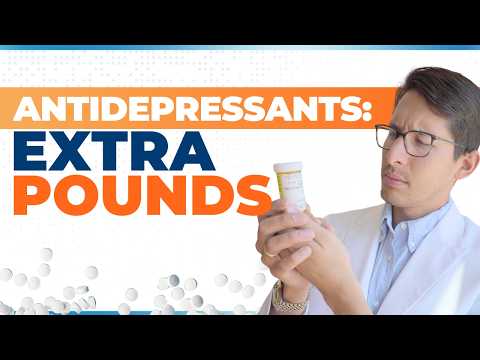
You know what’s tough? Dealing with depression while trying to keep your weight in check. It’s like a double whammy, right?
So many people are in that boat. Meds can help with mood, but some can mess with your body in ways you don’t want.
I mean, who needs those extra pounds when you’re already fighting an uphill battle?
But guess what? There are options out there that can give you a hand without packing on the weight. Let’s chat about some meds that might help you feel better and keep things balanced. Sounds good?
Exploring Depression Medications: Options That Won’t Cause Weight Gain
When it comes to tackling depression, medications can play a huge part in your recovery journey. But, let’s get real; weight gain is often a big concern. You’re not alone in this worry! Many folks want to know about options that won’t add extra pounds while they’re trying to feel better. So, here’s a rundown of some meds that generally have a better reputation for keeping weight gain at bay.
Selective Serotonin Reuptake Inhibitors (SSRIs) are the first line of defense for many people with depression. While some people do experience weight gain with SSRIs, others do not. For instance, fluoxetine (Prozac) is an SSRI that’s known for its lower risk of weight gain compared to its peers. A friend of mine once shared how he felt lighter—both emotionally and physically—after starting Prozac, which was refreshing in more ways than one!
Another option is SNRIs, or Selective Norepinephrine Reuptake Inhibitors. These also fight depression effectively and tend to have a neutral effect on weight. Take duloxetine (Cymbalta) for example; it’s been shown to help with both depression and anxiety without leading most people to the fridge more often.
You might also hear about atypical antidepressants, like bupropion (Wellbutrin). This med has been associated with weight loss in some cases! It’s different because it works on norepinephrine and dopamine rather than serotonin primarily. I remember chatting with someone who started Wellbutrin and ended up shedding some unwanted pounds while his mood lifted—how cool is that?
Now let’s mention tricyclic antidepressants (TCAs). They can be effective but tend to come with a greater risk of weight gain. If you’re looking for something more friendly in that department, sticking with SSRIs or SNRIs seems smarter.
What’s crucial here is that individual responses vary greatly! What works well for one person may not work at all for another. It’s super important that you have open conversations with your doctor about what you’re experiencing and what your concerns are.
If you’re feeling anxious about potential weight changes, be sure to discuss this during your appointment. Your doctor can help you weigh the pros and cons based on your unique health profile.
In short, while there are definitely medications out there that may help lift the cloud of depression without packing on the pounds, always keep communication open with your healthcare team. Remember: it’s all about finding the right balance between mental wellness and physical health!
Lexapro vs. Zoloft: Which Antidepressant Supports Weight Loss Better?
When it comes to choosing between Lexapro and Zoloft, especially for those concerned about weight, it can feel a bit like picking between apples and oranges. Both are popular antidepressants in the selective serotonin reuptake inhibitor (SSRI) family, but they can affect your body differently, you know?
First off, let’s chat about Lexapro. It’s known for being a pretty solid option for treating depression and anxiety. However, when you look at weight changes, studies suggest that some people might actually lose weight on Lexapro. Why? It’s thought to be because it doesn’t mess with your appetite and metabolism as much as some other medications might. But hey, this isn’t true for everyone! Some people might find themselves gaining a few pounds instead.
Now onto Zoloft. Zoloft is often prescribed for depression but also for conditions like OCD and PTSD. A lot of folks experience weight gain while on this medication. Research indicates that it might stimulate appetite in some people or lead to weight increase over time. But again, it varies—some patients don’t see any significant change at all!
- Anecdote: I had a friend who started on Zoloft during a rough patch. At first, she was thrilled because her mood improved so much! But then she noticed that her jeans were feeling tighter each week. It really threw her off balance.
- Weight considerations: If maintaining or losing weight is crucial for you, Lexapro could potentially be the better choice. Still, it’s essential to chat with your doc about personal goals.
- The emotional factor: Don’t forget! Mood changes can lead to lifestyle habits shifting too—like more comfort eating when feeling low or stressed.
- Your body’s unique response: Each person reacts differently to these medications. What works wonders for one person could be a total flop for another.
If you’re weighing which one to choose—pun totally intended—it’s important to consider not just the potential side effects related to weight but also how each medication affects your mental health overall. Sometimes dealing with depression itself can impact your desire or ability to stay active or eat healthy stuff!
The key takeaway? Talk openly with your healthcare provider about your concerns regarding weight and any other side effects you’re worried about as they help guide you through your options together.
No matter what route you take with Lexapro or Zoloft, remember that managing mental health is about finding what fits best for *you*. It’s not just about choosing medication; it’s also about how it fits into your life, including things like exercise and nutrition.
Understanding the Impact of Zoloft on Weight Gain and Loss: What You Need to Know
Zoloft, or sertraline, is a popular medication often prescribed for depression and anxiety. But when it comes to weight, its effects can be a mixed bag. Some people find themselves gaining pounds while others see the scale tip in the opposite direction. So, what’s really going on with Zoloft and your weight?
When you start taking Zoloft, your body goes through a lot of changes. Serotonin, one of the brain’s key chemicals that Zoloft targets, can influence not just mood but also appetite and metabolism. You see, for some folks, the boost in serotonin can suppress appetite initially. You might feel less hungry and even lose some weight at first.
But here’s where things get tricky. After being on Zoloft for a while, many people report an increase in appetite or cravings for certain foods—especially carbs! This can lead to weight gain over time. It’s like your body’s way of adjusting back to normal after it gets used to the medication.
And it doesn’t help that everyone’s experience with Zoloft is different. If you’ve recently started taking it or have been on it for a while and noticed changes, you’re definitely not alone.
Here are some key things to keep in mind:
- Individual Responses: Not everyone reacts the same way. Some may gain weight; others might lose.
- Dosage Matters: Sometimes higher doses can lead to more significant changes in appetite.
- Lifestyle Influences: Your eating habits and exercise routine play big roles too—it’s not just about the meds.
- Tapering Off: If you’re considering stopping Zoloft, do it under supervision! Sudden changes can mess with your mood and potentially cause weight fluctuations.
- Talk to Your Doctor: Seriously—if you’re concerned about your weight while on Zoloft, it’s crucial to discuss this with a healthcare provider.
I remember my friend Sarah who started taking Zoloft after struggling with anxiety for years. At first, she felt amazing—more energetic and less worried about food choices than before! The scale even dipped a bit at first which made her feel pretty good about herself. But then after several months? Yeah, she found herself craving those late-night snacks more than ever! It was frustrating because her mental health had improved drastically; but suddenly managing her weight became an unexpected battle.
In any case, if you’re worried about how Zoloft might affect you specifically regarding weight gain or loss, remember it’s always best to have an open conversation with your doctor. They know how these medications work and can help guide you based on your personal experience!
Navigating depression meds can feel like trying to find your way in a maze, especially when you’re also thinking about your weight. It’s like, you want to feel better, but you also don’t want to deal with extra pounds creeping on, right?
You know, I had a friend who was prescribed an antidepressant a while back. At first, she felt amazing—like, she could finally see the light at the end of the tunnel. But after a few weeks, she noticed her jeans getting tighter. It was pretty frustrating for her because feeling good emotionally didn’t match up with how she felt about her body.
Medications can have different effects on weight. Some folks might lose weight while others gain it or stay about the same—it really varies from person to person. Certain meds are known for being more weight-friendly. For example, bupropion is often celebrated for not causing weight gain and can sometimes even help people shed a few pounds! But then again, everyone reacts differently.
It’s super important to chat with your doctor about this stuff before starting anything new. They might help you find something that works well without the unwanted side effects—or maybe even suggest lifestyle changes alongside medication that could keep your mental health and waistline on track.
It’s tough balancing what we eat and how we feel; our relationships with food and mood can be so intertwined! So let’s say you’re dealing with depression and worrying about your weight—don’t hesitate to voice those concerns during your appointments. Your mental health’s just as important as your physical health! After all, feeling good inside can really shine through on the outside too, right?