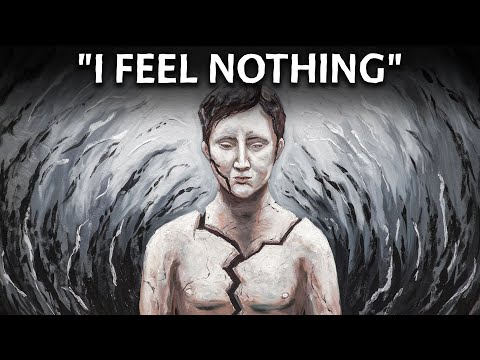
Hey, you know how some days just feel heavier than others? Like, you’re walking around with this invisible backpack full of rocks? That’s kinda what depression can feel like.
It shows up differently for everyone. Some people might feel sad all the time, while others just can’t shake that fog. It’s complicated and messy, right?
And honestly? Talking about it can be tough. There’s a lot of confusion out there about what depression really is and how it works. But it’s super important to understand, because you or someone you care about might be dealing with it.
So let’s chat! We’ll unpack some of the complexities together and maybe even find some light in the shadows. Sound good?
Exploring the Most Effective Psychological Approaches for Overcoming Depression
Depression can feel like a heavy fog that just won’t lift. You wake up, and it’s like the world is gray. So, how do we tackle this beast? Well, there are a bunch of psychological approaches that people have found helpful for overcoming depression. Let’s break them down!
Cognitive Behavioral Therapy (CBT) is like the gold standard in treating depression. It focuses on changing negative thought patterns. Imagine you’re stuck in a loop of “I’m not good enough.” CBT helps you challenge that thought and reframe it into something more positive. You might say to yourself, “I’m doing my best, and that’s enough.”
Interpersonal Therapy (IPT) zeroes in on your relationships. Sometimes, our connections with others can fuel depressive feelings. If you’re feeling isolated or have unresolved conflicts with friends or family, IPT can help. By improving those relationships or learning to communicate better, you might just find some relief from that heavy weight.
Another approach? Mindfulness-Based Cognitive Therapy (MBCT). This one combines mindfulness practices with CBT techniques. It teaches you to be present in the moment and observe your thoughts without judgment. Picture sitting quietly and simply noticing when negative thoughts come up without letting them drag you down. It’s super empowering!
There’s also Dialectical Behavior Therapy (DBT). Originally designed for borderline personality disorder, many have found DBT helpful for managing emotions related to depression too. It emphasizes skills like emotional regulation and distress tolerance—learning how to handle tough feelings instead of getting overwhelmed by them.
Let’s not forget about psychodynamic therapy. This approach digs deep into your past experiences and how they affect your current mindset. Maybe there are unresolved issues from childhood lurking around, impacting how you see yourself today? Working through these past experiences can shed light on why you feel the way you do.
Lastly, there is solution-focused therapy. This one’s all about finding solutions rather than diving deep into problems. It encourages you to envision what life would look like without depression and work toward that vision step by step.
In the end, everyone experiences depression differently—what works wonders for one person might not do much for another. That’s why it’s essential to explore these various approaches together with a qualified therapist who can tailor the experience just for you! Remember, it’s okay to reach out for help when navigating those stormy seas of mental health challenges—it shows strength, not weakness!
Understanding the 4 Key Pillars of Depression: A Comprehensive Guide
Depression can be tough to wrap your head around, right? It’s got layers, like an onion—or maybe more like a lasagna. Anyway, let’s break it down into four key pillars that help explain what’s going on.
1. Biological Factors
This one’s all about the chemistry in your brain. Neurotransmitters like serotonin and dopamine play huge roles in your mood and overall mental health. When these guys are outta whack, it can lead to feelings of sadness and hopelessness. Like, imagine you’re trying to enjoy your favorite song but there’s just static instead of music—frustrating!
Factors like genetics also come into play here. If someone in your family has dealt with depression, you might be at a higher risk.
2. Psychological Factors
Your thoughts and beliefs can create a whirlwind of emotions that contribute to depression. Ever caught yourself thinking, “I’m just not good enough,” or “Things will never get better”? Yeah, those negative thought patterns? They can keep you stuck in a loop of despair. Cognitive distortions—basically twisted ways of thinking—can trick you into seeing everything through a gloomy lens.
It’s kinda like wearing sunglasses on a bright day; you can’t really see the beauty around you! Therapy often focuses on changing these thought patterns so you can ditch the shades.
3. Environmental Factors
Your surroundings matter more than we often realize! Stressful life events, like losing a job or going through a breakup, can trigger or worsen depression symptoms. If you’re constantly surrounded by negativity or conflict at home or work, it’s no wonder you might feel down sometimes!
And hey, even things like the weather can affect how you feel—a lot of folks experience seasonal affective disorder (SAD) during long winter months when there’s less sunlight.
4. Social Factors
Humans are social creatures; that’s just how we’re wired! Isolation or lack of support from friends and family can really make things harder when dealing with depression. Imagine feeling low and having no one to talk to about it—just thinking about it is heavy! Healthy relationships provide that emotional support to help cushion life’s punches.
Moreover, stigma plays into this too; if society sees mental health struggles as shameful or weak, it makes opening up much harder.
So there ya have it: depression is no simple beast—it’s influenced by biological stuff in our brains, our thoughts and feelings about ourselves and the world around us, our environments where we live and work, and how connected we feel to others socially. Each pillar is important in painting the total picture of what someone experiencing depression goes through—and understanding this helps us find ways to navigate these tricky waters together.
Understanding Depression: A Comprehensive Guide to Its Psychological Aspects
Understanding depression can feel like, well, trying to navigate a maze blindfolded. There’s a lot going on beneath the surface. Basically, it’s not just feeling sad or down. It’s way more complex than that.
Depression is a mood disorder. It affects how you think, feel, and handle daily activities. And let me tell you, it can be exhausting. You might feel like you’re carrying this heavy backpack filled with rocks everywhere you go. Even getting out of bed feels like an uphill battle.
A big part of depression is the emotional aspect. You might experience intense feelings of hopelessness and worthlessness. It’s like being trapped in your own brain where every thought is negative and critical. For example, imagine thinking “I can’t do anything right” or “What’s the point?” Those thoughts can become overwhelming.
Then there’s the physical side. Depression isn’t just in your head; it affects your body too! You might notice changes in your sleep patterns—like sleeping all day or barely catching any z’s at all. And food? Some folks lose their appetite and drop pounds without even trying, while others find comfort in junk food, gaining weight instead. Seriously frustrating!
Another thing to consider is how depression impacts relationships. When you’re feeling low, connecting with others might seem impossible. Maybe you’ve felt like shutting everyone out because it just feels easier? That isolation can make things worse—a vicious cycle for sure.
Cognitive distortions often come into play when you’re depressed. These are twisted ways of thinking that trick your mind into seeing everything through a dark lens. You might think that if something goes wrong—like failing a test—it’s solely your fault and that you’ll never succeed again. That kind of thinking really limits your perspective.
There are also various types of depression. Major depressive disorder is what most people think about when they hear «depression.» Then there’s persistent depressive disorder (or dysthymia), which lingers for two years or more—kinda like an unwelcome guest that won’t leave! Seasonal affective disorder (SAD) usually kicks in during winter months when sunlight is scarce, making it hard for those affected to find joy during those dark days.
Now, onto treatment—this part’s vital! Therapy is one of the most effective ways to tackle depression head-on. Cognitive-behavioral therapy (CBT) helps by teaching you to challenge those negative thoughts and replace them with healthier perspectives. It’s not magic; it takes time and work but can really make a difference.
Medications may also come into play for some folks—the goal being to relieve symptoms so therapy can work better. Antidepressants aren’t a one-size-fits-all deal though; sometimes it takes a bit of trial and error to find the right fit.
So, what does all this mean for someone dealing with depression? Well, it means recognizing that it’s multilayered—it involves emotions, thoughts, relationships, and even physical health aspects too! It’s okay to seek help because you’re not alone in this maze.
Navigating through depression isn’t easy—but understanding what you’re up against can help shine some light on the path forward!
Depression is one of those things that feels like a shadow—always lurking, sometimes creeping up when you least expect it. You know? It’s more than just feeling sad. It’s that heavy blanket of nothingness that can smother joy and zap your energy. The thing is, depression isn’t a one-size-fits-all kind of deal, which makes understanding it really complicated.
I remember a friend of mine who seemed so vibrant and full of life. Then, out of nowhere, she started withdrawing. At first, I thought she was just busy with work or dealing with everyday stresses. But soon enough, the spark faded completely. She told me later that it felt like trying to swim but being weighed down by bricks. That experience really hit home for me—it made me realize how crucial it is to create safe spaces for people wrestling with these feelings.
You see, in psychology, depression goes beyond just feelings; it’s about the mind-body connection too. Sometimes it’s tied to chemical imbalances in the brain or life events triggering those darker days—like losing a job or going through a tough breakup. But then there’s also an emotional aspect; things like trauma or long-held beliefs can haunt someone and contribute to its grip.
Therapy approaches vary widely because everybody’s journey is unique. Some find relief through talk therapy, where they can air out their thoughts in a judgment-free zone; others might benefit from medication to help reset those brain chemicals. And still more people turn to lifestyle changes—like exercise or mindfulness—to chip away at the weight they feel bearing down on them.
But let’s not forget the stigma around mental health too. It can make reaching out feel like an uphill battle filled with fear of judgment or misunderstandings from others who just don’t get what’s going on inside someone’s head.
Navigating depression isn’t easy—it’s messy and complex with no clear path laid out ahead. Every story is different yet somehow shares threads of common struggle and resilience. So if you find yourself—or someone you care about—facing this battle, know it’s okay to ask for help or lean on others for support—it doesn’t mean you’re weak; it means you’re human. And hey, sometimes sharing your journey with someone else can shine a light in places where darkness seems to linger forever!