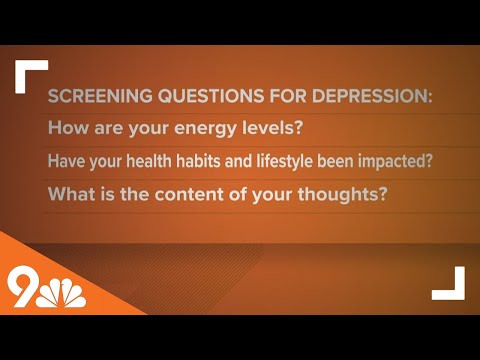
Hey, have you been feeling kinda down lately? You know, like everything’s a bit too heavy? You’re not alone in this. Seriously, a lot of people are going through the same thing.
Finding help can feel overwhelming, though. Like, where do you even start? That’s where local depression screening services come into play. They can help you figure out what’s going on and offer support.
So, if you’re ready to take that first step toward feeling better, let’s chat about how to find these services near you. It might just be the lifeline you need.
Understanding the 3-Month Rule in Mental Health: A Comprehensive Guide
The whole concept of the 3-Month Rule in mental health can be a bit tricky, but stick with me here. Basically, this rule suggests that if you’re feeling down or anxious for more than three months, it might be time to seek help. You know how sometimes you think «I’m just having a rough patch,» and you keep pushing through? Well, after a while, it might not just be a patch; it could be something more serious.
Why three months? Well, your brain and body can handle short bursts of stress and sadness. But when those feelings linger for too long—like they have their own rent in your mind—it’s harder to bounce back on your own. This isn’t about being weak; it’s about recognizing when you need support. Some folks think they can just shake it off or wait it out, but that often leads to deeper issues like chronic depression or anxiety.
Now, here’s the thing: Not everyone fits neatly into this timeline. Some people experience quick changes while others need more time. But if you’ve been in this funk for over three months—and it’s affecting your daily life—it’s a good idea to reach out for help.
So what should you look out for? Here are a few signs that might point you towards getting screened:
- Persistent feelings of sadness: If you’re feeling blue most days and can’t pinpoint why.
- Loss of interest: Think about things you used to enjoy—if they’re no longer exciting or fulfilling.
- Sleep disturbances: Are you sleeping too much or not enough? Both extremes can indicate something is off.
- Changes in appetite: Noticeable weight gain or loss that correlates with your emotional state is worth checking out.
- Lack of energy: Feeling constantly fatigued can turn even simple tasks into mountains to climb.
If any of these sound familiar after three months—or even less—you might want to find some local screening services. There are places where professionals can help evaluate what you’re going through. It doesn’t have to mean jumping straight into therapy or medication right away; sometimes it’s just about getting clarity on what’s happening with your mental health.
Let’s talk briefly about finding those local services. You could start by checking community health centers, universities with psychology programs, or hospital outpatient services—they often offer screenings. Just remember: reaching out is the first step towards understanding yourself better and taking control again.
Everyone deserves support when things get tough for too long. It’s okay to lean on others when needed; life gets heavy sometimes! The 3-month rule isn’t an absolute; rather, it’s like a gentle reminder that prolonged periods of struggle deserve attention and care from professionals who can guide you back toward feeling like yourself again.
Understanding Insurance Coverage for Depression Screening: What You Need to Know
So, let’s talk about insurance coverage for depression screening. It’s an important topic, especially if you’re feeling low and are considering getting help. Depression isn’t just a sad day; it can affect your life big time. That’s why knowing what your insurance covers is super important.
First off, many insurances are starting to recognize the importance of mental health. Most plans will cover depression screenings under preventive services. This means they want you to catch these issues early, kind of like a regular check-up at the doctor. You can think of it as a way to keep your mental health in check, just like you would for your physical health.
But here’s the kicker: not all plans are the same! Depending on where you live and which insurance company you use, the coverage might vary. You should check if your plan lists depression screenings as part of its benefits. So yeah, look at that paperwork or call up their customer service and ask directly.
Also, pay attention to who’s doing the screening.
This could include licensed therapists or primary care doctors. If you show up at a free clinic or somewhere that doesn’t fit those criteria, guess what? They might not cover it.
Now let’s talk about cost. Even if your screening is covered, sometimes there could be a co-pay involved. That means you pay a part out of pocket when you visit your provider or clinic for that screening. It could be anywhere from $0 to maybe $50 or more depending on your plan.
Another thing to consider is whether the provider is in-network or out-of-network.
But if they’re out-of-network… well, buckle up because those costs can get high quick! Always ask beforehand which providers are covered so you don’t end up with an unexpected bill later.
And hey, there are also government programs available like Medicaid that often cover these kinds of screenings without costing you anything upfront. If you’re curious about local options for depression screening services near you, checking community health centers can be a great start.
Keep in mind that some employers even offer mental health days or perks related to mental wellness in their employee benefits packages. So don’t overlook what might already be available through your job!
In short:
- Check your insurance policy for coverage details.
- Know who can perform the screening.
- Be aware of co-pays and network status.
- Look into government programs if needed.
Getting screened for depression is totally worthwhile and knowing how insurance plays into this process could make it easier for you to take that next step toward feeling better!
Understanding the Costs: What to Expect When Getting Tested for Depression
When you’re thinking about getting tested for depression, it’s really important to understand what the costs might look like. It can feel a bit overwhelming, but don’t worry; I’m here to break it down for you.
First off, let’s talk about the types of tests you might encounter. There are actually several ways to assess depression. You could have a simple questionnaire or a more in-depth psychological evaluation. The prices for these tests can range quite a bit. For instance, a basic screening tool might be free or just cost a small co-pay if you go through your healthcare provider. On the other hand, a full evaluation can set you back anywhere from $100 to $300 or more, depending on where you go.
Now, consider who’s doing the testing. A primary care doctor can often conduct initial screenings and might even handle follow-up assessments. If that’s the route you take, the costs will be influenced by your health insurance plan. If you’re uninsured or decide to see a specialist like a psychologist or psychiatrist directly, be prepared for those higher fees we just mentioned.
Also think about insurance coverage. It’s totally worth checking what your plan includes regarding mental health services. These days, many plans cover mental health screenings and treatments fairly well due to changes in healthcare policies. But every plan is different! So your out-of-pocket costs may vary.
And here’s another thing—location matters. Urban areas tend to have more providers and competitive pricing than rural spots. This can affect how much you’ll pay out of pocket too! So if you’re looking up local depression screening services near you, keep this in mind.
If money is tight, don’t hesitate to seek sliding scale options. Many community mental health centers offer services based on what you can afford. You’d be surprised how much help is out there!
Another idea? Look into non-profit organizations that offer free or low-cost testing services as part of their mission to assist people with mental health issues.
Lastly, remember that investing in your mental health is super important! The costs of getting tested may seem high up front, but understanding yourself better has massive benefits down the line—not just for you but for those around you too.
So there ya go—getting tested for depression might comes with some expenses attached but knowing what to expect helps empower you on this journey towards understanding your mental health better!
Finding local depression screening services can feel really daunting, but it doesn’t have to be. Think about it: sometimes, just knowing you’re not alone in this struggle makes a world of difference. When my friend Sarah hit a rough patch, she didn’t know where to start. She felt stuck, but finally decided to look for help. And you know what? That first step—finding a local screening service—turned out to be life-changing for her.
In some places, you might find community health centers or clinics offering screenings. They often provide a warm environment where you can talk with someone who gets it. I mean, how comforting is that? Just sitting down with someone who’s trained to listen and understand your feelings? Honestly, it can take a huge weight off your shoulders.
You can start by checking online or asking your doctor about resources nearby. Many organizations also offer hotlines or websites where you can find information pretty easily. Seriously, just typing “depression screening near me” into Google opens up so many options! Sometimes local universities even have programs where psychology students conduct screenings under supervision—those can be super accessible and supportive too!
Once you’ve found some options, don’t feel pressured to dive right in if you’re not ready. It’s totally okay to take your time and think things through. Remember Sarah? She called a few places before settling on one that felt right for her—it was all about finding that comfort level.
So if you’re feeling the weight of the world on your shoulders—or even if you’re just feeling off—it might be worth reaching out and seeing what’s available around you. You never know; those initial conversations might lead you toward the support that helps lift that weight away, little by little.