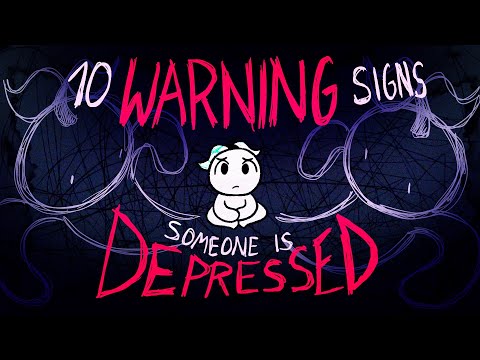
Hey, so let’s chat about something real—depression. You know, that heavy feeling that sneaks in and messes with your vibe?
It can be tricky to spot, right? Sometimes it feels like you’re just tired or down for no reason. But those feelings can be more than just a bad day.
Recognizing the signs is super important. You wanna know what’s going on inside your head and how to handle it. Seriously, understanding yourself is like having a cheat code for life.
So, let’s break down some common symptoms of depression. Trust me, knowing these could really help you or someone you care about. Ready?
Identifying Depression: The Two Most Common Signs and Symptoms You Should Know
Let’s get real about depression. It’s a heavy topic, but understanding it better can really help you or someone close to you. So, when it comes to spotting the signs, there are two major ones that pop up often.
First up is persistent sadness or low mood. This isn’t just feeling down for a day or two; it’s like walking around with a rain cloud hanging over you every day. You know how sometimes you just don’t feel like yourself? That feeling sticks around and doesn’t seem to budge for weeks, maybe even months. It can be downright exhausting. Imagine waking up and feeling that same dull weight pressing on your chest, making it tough to find joy in things you used to love.
The second sign is loss of interest in activities. This can hit hard. Think about all those hobbies or social outings that used to excite you—like grabbing coffee with friends or diving into that new book series. When depression kicks in, suddenly they feel pointless. You might find yourself canceling plans more than usual or just scrolling through your phone instead of joining the fun. It’s like being stuck on the sidelines while everyone else is enjoying life.
- You might notice that your friend who used to love painting hasn’t picked up a brush in weeks.
- Or maybe you’re the one who can’t remember the last time you laughed at a comedy show.
The thing is, these symptoms are just parts of a bigger puzzle. Depression doesn’t look the same for everyone, but those two signs—persistent sadness and loss of interest—are pretty common. If they sound familiar, don’t shy away from talking about it.with someone who can help.
Recognizing these signs is super important because it opens the door to getting support and finding ways to feel better. So remember, you’re not alone in this struggle; reaching out is always a brave step forward!
Complete Guide to Understanding Your Depression: Take Our Free Depression Test
Depression is a heavy word, isn’t it? But understanding it can really help you navigate those tough times. So let’s break it down and maybe even take a look at what you’ve been feeling.
One of the first things to know is that **depression isn’t just sadness**. It’s a complex mix of emotional, physical, and mental symptoms. You might feel empty or hopeless, but sometimes it’s more subtle than that.
Common symptoms include:
- Persistent sadness: This means feeling low most of the day, nearly every day.
- Loss of interest: You might stop enjoying activities you used to love—like binge-watching your favorite shows or hanging out with friends.
- Fatigue: Even small tasks can feel like climbing a mountain when you’re drained.
- Changes in appetite: Eating too much or not enough could signal depression knocking at your door.
- Sleep issues: Maybe you can’t sleep at all, or you’re sleeping way too much. Both can be signs.
- Difficulties concentrating: Remembering things can be hard, and focusing on work or school feels impossible sometimes.
These aren’t just random feelings; they can really mess with your day-to-day life. For example, I had a friend who loved painting but stopped picking up her brushes because she felt so blah all the time. It was heartbreaking to see her passion fade.
So, how do you know if what you’re experiencing is depression? Well, there’s actually a lot of resources out there—including free tests that ask about your feelings and behaviors over the past couple of weeks. They won’t diagnose you but can give you an idea if it’s time to chat with someone professional.
Now listen: **talking about your mental health is super important**. If these symptoms resonate with you for more than two weeks, consider reaching out to a therapist or counselor who can provide support tailored just for you.
If you’re thinking about taking that free depression test, remember that it’s only one part of figuring things out. Your feelings matter—don’t ignore them! Just because someone else seems fine doesn’t mean you have to be too.
The thing is: depression affects everyone differently. So what works for one person might not work for another. Finding coping strategies—like exercise, art therapy, or just talking things out—can make a huge difference.
In short, recognizing these symptoms is the first step towards addressing them and seeking help when needed. And trust me: reaching out isn’t a sign of weakness; it’s actually one of the strongest moves you can make for yourself!
Understanding Depression: 4 Key Causes That Impact Mental Health
Feeling low sometimes is totally normal, but when that weight just hangs on and doesn’t seem to lift, it might be depression. This is a tough spot that a lot of people find themselves in, and understanding what causes it can really help you or someone you care about tackle it more effectively.
1. Biological Factors: Your body chemistry plays a huge role in how you feel emotionally. Think of your brain as this complex machine that runs on chemicals called neurotransmitters. If those little guys aren’t balanced, it can lead to feelings of sadness or emptiness. For example, a drop in serotonin levels—often called the “feel-good” chemical—can leave you feeling pretty crummy for no apparent reason.
2. Genetic Predisposition: Sometimes, depression runs in families. If your mom or dad struggled with depression, there’s a chance you might face similar challenges too. It’s like inheriting brown eyes or curly hair; some things just seem to be passed down through generations. But don’t freak out! Just because it’s in your genes doesn’t mean you’re doomed.
3. Environmental Stressors: Life is full of ups and downs, and some stressors can seriously impact your mental health. Think about job loss, the end of a relationship, or even living through a global pandemic—those are heavy-duty experiences that can knock anyone off their feet emotionally. For instance, imagine losing your job during tough economic times; the constant worry about finances can lead to feelings of hopelessness.
4. Psychological Factors: Sometimes how we think can also impact our mood. If you’re always thinking negative thoughts or believe you’re not good enough, those beliefs can spiral into deeper issues like depression over time. Cognitive patterns play a big role here! If you constantly tell yourself you’ll fail at everything you do, guess what? You might just start feeling pretty low about yourself.
Catching on to these causes is key because it helps us recognize what we need to work on—whether it’s reaching out for support or making some lifestyle changes. And if those heavy feelings start creeping in more often than not? It’s worth talking to someone who gets it—a therapist might really help clear the haze.
So if you’re noticing symptoms like feeling down most days, having trouble sleeping or sleeping way too much, changes in appetite, or just losing interest in stuff that used to bring joy—don’t ignore them! It’s all connected and understanding the «why» behind those feelings might light up the path toward healing.
You know, depression can be really tricky. Like, it’s not just about feeling sad. It can sneak up on you in so many different ways. I remember when a close friend of mine went through a tough time. She was usually the life of the party, always cracking jokes. But suddenly, she just withdrew from everything. It was like a switch flipped, and that bubbly personality faded away.
So, if you or someone you know starts feeling kind of empty or exhausted all the time, that could be a sign. Tiredness? Yeah, that’s huge, but it’s not just physical fatigue; it’s this deep-down kind of weariness that feels impossible to shake off. And it’s frustrating! Imagine trying to get out of bed but feeling like there’s a weight on your chest holding you down.
And then there are those moments when your brain gets all foggy—like trying to think through molasses. Decision-making becomes super hard, and even simple tasks feel overwhelming. Ever tried to pick out what to eat for dinner while swimming in self-doubt? It can feel like climbing Everest.
Some folks also experience changes in their sleep patterns. You might find yourself unable to sleep at all or sleeping way too much—like the bed is suddenly your best friend and worst enemy all at once.
And let’s not forget about feelings of guilt or worthlessness creeping in too. It can distort how you see yourself, leading to this negative spiral that’s hard to escape from alone.
But acknowledging these symptoms is huge! Recognizing them is like turning on the lights in a dark room—it helps you see what needs fixing. Talking about it with someone who gets it (maybe a therapist or even just a good friend) can really make all the difference.
Just remember: reaching out isn’t weakness; it’s a brave step towards feeling better!