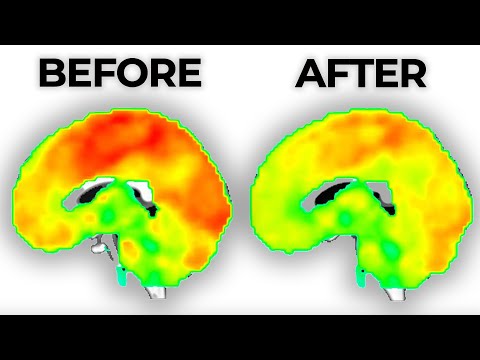
You know, getting help for depression can feel like a huge relief. But then there’s this whole other side to it—medication. It’s like, yay, I’m taking steps forward! And then bam, side effects.
Honestly, it’s a mixed bag. Some people feel better and some end up feeling kinda wonky from the meds.
And here’s the kicker: everyone’s body reacts differently. What works wonders for one person might make another feel worse. You feel me?
So let’s chat about what to expect when you’re on those meds and how they tie into your overall mental health. There’s way more to dive into than just popping a pill, you know?
Understanding the Impact of Antidepressants on Mental Health: Benefits and Considerations
Antidepressants can be a big part of treating depression and other mood disorders. Basically, they aim to balance chemicals in your brain, especially neurotransmitters like serotonin and norepinephrine. These are super important for mood regulation. Lots of people find relief from symptoms, but there’s a lot more to consider.
Benefits are often what you hear about the most. For many, antidepressants help lift that heavy fog of sadness and anxiety. You might start feeling more like yourself again, getting back into hobbies you once loved or reaching out to friends more often. That sense of connection? It can come flooding back.
However, not everyone reacts the same way to these meds. Some folks might experience side effects that make things tough. For instance:
- Nausea – It can feel like a rollercoaster in your stomach when you start a new medication.
- Weight changes – Some people gain weight while others lose it; it just depends on how your body reacts.
- Sleep issues – Antidepressants can mess with your sleep patterns, either making you super sleepy or wide awake when you should be resting.
- Sexual dysfunction – This is a common one that isn’t talked about enough; it can definitely strain relationships.
- Anxiety or agitation – Ironically, some people might feel even more anxious after starting certain types of antidepressants.
Now, let’s talk about considerations. When you’re thinking about going on antidepressants or if you’re already taking them, it’s key to have open conversations with your doctor or therapist. They could adjust dosages or even switch medications if what you’re taking isn’t doing the trick—or if those side effects are just too much.
There’s also the idea of Addiction or Dependence. Most antidepressants aren’t addictive in the way that opioids are but suddenly stopping them can lead to withdrawal symptoms. Things like dizziness or flu-like symptoms can happen; so it’s crucial not to just stop taking them without guidance.
An emotional story comes up here—I had a friend who went through this journey and decided she needed help after feeling stuck for years in deep sadness. After starting on an SSRI (Selective Serotonin Reuptake Inhibitor), she felt this energy returning that had been absent for so long! But then those pesky side effects crept in—specifically weight gain and insomnia—which really threw her for a loop. With some patience and tweaks from her doctor, they found the right balance—and now she feels hopeful about life again.
That brings us to The Importance of Regular Check-Ins. If you’re on these medications, scheduling regular chats with your healthcare provider is essential. They’ll help track how you’re doing with both your mental health and any side effects you’re experiencing.
In summary: Antidepressants have potential benefits—like lifting depressive symptoms—but come with their own set of considerations that need attention too. Keep communication open with professionals and don’t hesitate to speak up about any side effects that bother you! Your mental health matters above all else!
Managing Antidepressant Side Effects: Tips for Improved Mental Well-Being
Managing antidepressant side effects can feel like walking a tightrope. You want the medication to help lift those heavy clouds of depression, but sometimes, it comes with some wacky side effects. Let’s break it down.
First off, everyone reacts differently to medication. What might be a breeze for one person could feel like a mountain for someone else. You have to listen to your body and communicate with your doctor about what you’re feeling.
Some common side effects include:
So yeah, those are just a few things that can pop up while you’re on antidepressants.
Now let’s chat about some practical ways to manage these pesky side effects. First off, self-care is key. Think about activities that make you feel good—whether that’s yoga or binge-watching your favorite show—and make time for them.
Another thing is staying active. Exercise doesn’t just do wonders for your body; it helps lift your mood too! Even short walks can make a big difference in how you feel mentally and physically.
And don’t forget the power of hydration. Water helps everything in our bodies function better, including mood stabilization! Seriously, drink up!
If you’re struggling with side effects, reach out for support. You can talk to friends or family or consider joining support groups where people share their experiences with similar issues—it helps knowing you’re not alone.
In case things get too overwhelming, don’t hesitate to touch base with your healthcare provider about adjusting doses or trying new medications altogether. You’ve got options; it’s all about finding what works best for you.
Finally, keep an eye on how you’re feeling overall. Sometimes it’s easy to get lost in managing side effects that you forget the main goal: improving mental well-being! Keep reminding yourself that this is a journey.
Managing antidepressant side effects isn’t always easy, but by staying proactive and connected with professionals and support systems around you—you’ve got this!
The Effects of Medication on Mental Health: Understanding the Impact and Benefits
Medication can play a big role in managing mental health conditions. When we’re talking about things like depression or anxiety, it’s often one of the first options that gets suggested by healthcare providers. But, let’s be real—it’s not all sunshine and rainbows. There are effects, and understanding these can really help you make informed choices.
One of the main benefits of medication is that it can help stabilize your mood. For some folks, just the right pill can feel like a fog lifting. For instance, if someone is deep in a depressive episode, medications known as antidepressants can help restore balance to brain chemicals like serotonin and norepinephrine. But hold on, there’s more to it than just benefits.
Now let’s talk about those pesky side effects. Like any medication, depression meds can come with a whole range of them. You might experience things like:
- Nausea
- Sleep disturbances
- Weight gain or loss
- Fatigue
- Sexual dysfunction
Yeah, not exactly fun stuff! It’s super important to keep an eye on how you’re feeling during treatment because sometimes the side effects could actually be worse than the issues you’re trying to solve.
I remember a friend who started taking an SSRI for her depression. At first, she felt hopeful—like she was finally getting back on track. But after a few weeks, she noticed she was constantly tired and had lost interest in things she used to love, even hanging out! That really highlighted how individual reactions can be; what works for one person might not work for another.
So what do you do if side effects hit hard? Don’t panic! Talk to your healthcare provider about it. They may adjust your dosage or switch you to a different medication altogether. Finding the right fit can take time—kind of like dating!
Another thing to consider is that while medications help manage symptoms in many cases, they aren’t always enough alone. Therapy plays an important part too—it’s often recommended alongside meds for better results. It addresses underlying issues while the meds stabilize your mood.
And then there’s that big ol’ stigma around mental health meds—you know what I’m saying? Some people think taking them means you’re «broken» or «weak.» Honestly? It’s just not true! Taking care of your mental health is as important as taking care of your physical health.
In short, medications can have significant positive impacts but also come with their own challenges that need managing. Balancing benefits against side effects is crucial here—finding what feels right for you takes some patience and honest conversations with healthcare providers. Remember: You’re not alone in this journey!
So, let’s chat about depression medication and the kinda things nobody really warns you about—like, you know, the side effects. You might be thinking, “I’m already struggling with feeling down; why would I want to add more issues to the mix?” And that’s a fair point.
I remember a friend of mine who started taking antidepressants because he just couldn’t shake off this heavy cloud that seemed to follow him everywhere. The first couple of weeks were tough for him. He called me one day, frustrated as can be. “I thought this was supposed to help! Now I feel more tired and honestly kind of nauseous.” That’s when it hit me—people often talk about how meds can help lift you up, but rarely do they focus on the potential rough patches.
Now, look, not everyone experiences side effects. But when they do happen, they can really throw a wrench in your daily life. Things like weight gain or loss, trouble sleeping (or sleeping too much), headaches… it all feels like trying to juggle flaming torches while walking on a tightrope, right? And besides physical stuff, there’s also this emotional rollercoaster where sometimes you might feel even more anxious or irritable.
What’s wild is that these meds work differently for everyone. It can take a bit of trial and error before finding the right fit. So patience is key—though it’s easier said than done! Mental health isn’t just about finding a pill that makes you feel better; it’s also understanding how your thoughts and feelings interact with everything around you.
And then there are those conversations we need to have about the stigma tied to all this. People often assume you’re “just taking the easy way out” if you’re on medication. But hold up—navigating mental health is anything but easy! It takes courage to seek help and try something new.
So what should we keep in mind? Firstly, always stay in touch with your doc if you’re experiencing wacky side effects—it could mean adjusting dosages or even switching meds altogether. And secondly—give yourself some grace while figuring things out. It’s normal for this process to get messy sometimes.
In the end, it’s about finding what works for you while also being aware of those potential bumps along the way. You’re not alone in this journey; many folks are riding that same wave and just trying to make sense of it all together. So don’t hesitate to lean on friends or professionals as you navigate these waters—you’ve got this!