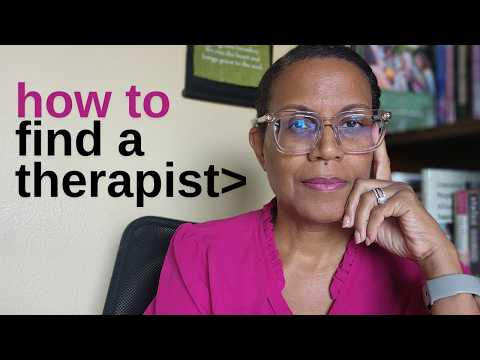
You know that feeling when life just feels… heavy? Like you’re trudging through mud and every step is a struggle? Yeah, that’s depression for you. It can sneak up on anyone, and it’s no joke.
So, what do you do when it feels like the world’s closing in? Well, finding someone who gets it—like a local therapist—can make a big difference. Seriously.
Imagine talking to someone who actually understands what you’re going through. Someone who can help lift some of that weight off your shoulders. Sounds nice, right? So, let’s chat about how to find the right fit for you—your personal guide through the ups and downs.
Essential Guide: How to Find the Right Therapist for Overcoming Depression
Finding the right therapist can feel overwhelming, especially when you’re dealing with depression. You’re looking for someone who gets you and can help navigate those heavy feelings. So, where do you start? Let’s break it down.
First off, think about what you want in a therapist. Some people prefer someone who takes a more hands-on approach, while others might need a softer touch. Do you think you’d vibe better with a cognitive-behavioral therapist who focuses on specific strategies? Or maybe a psychodynamic therapist who dives deeper into your past? Knowing what kind of help you’re looking for is a great first step.
Next, consider credentials. Look for licensed professionals; that usually means they have the right training and experience. You might see initials like LCSW (Licensed Clinical Social Worker) or LPC (Licensed Professional Counselor). Each of these means they’ve done their time studying mental health stuff and are certified to help.
Then there’s the whole fit factor. You want someone you can talk to openly without feeling judged. Maybe it’s important that they understand your background or share similar experiences. Suppose you’re LGBTQ+; finding a therapist with experience in that area can make all the difference.
Also, don’t forget about location and logistics. If you’re going to visit them in person, being close by helps keep things convenient. Check if they offer virtual sessions too—that could be super helpful during tough days when getting out feels impossible.
And hey, this is also about cost. Therapy can get pricey! So look for professionals who accept insurance or offer sliding scale fees based on income. Don’t shy away from asking upfront about costs because knowing will save you stress later.
Once you’ve narrowed it down, trust your instincts. Schedule an initial consultation or phone call—seriously, just to see how it feels talking to them! This first chat is your chance to ask about their approach and get a sense of how they interact with clients.
If something doesn’t feel right after that first session—like if there’s awkwardness or they’re not listening—don’t hesitate to look elsewhere! It’s totally okay to try out different therapists before finding your match.
Lastly, remember that finding the right therapist is part of the journey toward feeling better. Take your time with this process; it can be empowering to know you’re taking steps towards healing.
So go ahead: take that leap! You deserve support through this tough time; don’t settle until you’ve found someone who resonates with you and makes you feel heard and valued.
Encouraging a Loved One to Seek Therapy for Depression: Helpful Strategies and Insights
No one wants to see a loved one struggle, especially when they’re dealing with something as tough as depression. You want to help them, but you might not know where to start. Encouraging your friend or family member to seek therapy can feel daunting, but you can definitely make a difference.
First off, it’s important to approach the subject delicately. **Timing is key**. Pick a moment when things are calm and there’s time to chat. Maybe after a nice meal or during a quiet evening at home? Just steer clear of busy times or stressful situations.
Another thing is to **be gentle and supportive**. Let them know that you care about them and their wellbeing. You might say something like, “I’ve noticed you’ve been feeling down lately, and I’m really concerned about you. Have you thought about talking to someone?” That way, you’re opening the door without pushing too hard.
It’s also super helpful to normalize therapy. Many people still think it’s just for those who are “really” struggling, but the truth is that anyone can benefit from talking things out with someone trained in mental health. Sharing stories—maybe even yours—can help break down the stigma around seeking help.
When discussing therapy options, let them know that **it’s okay to take their time** in finding the right therapist. Some folks might click with the first person they meet; others may need to try a few before finding their fit. Encourage them by saying something like, “It’s totally fine if it takes a few tries! You deserve to find someone who really gets you.”
Now, if they seem hesitant or unsure about taking that step forward, suggest doing some research together on local therapists focused on depression. This way, they won’t feel alone in the process. You could offer to help look up reviews or even check out websites like TherapyDen or Psychology Today for more options.
Also bring up the **benefit of having support** during this journey. Offer your company for initial appointments if they’re open to that idea—it can make things feel less intimidating!
Remind them of how common depression is; many people go through similar struggles every day. It could be comforting for them knowing others have walked this path too and found relief on the other side.
And really listen if they share any fears about therapy—like being judged or feeling weak—those feelings are completely valid! Validate those feelings by letting them know it’s okay to feel anxious about this new step.
Lastly, keep checking in with them after they’ve taken that step toward therapy—it shows that you’re genuinely invested in their progress and healing journey.
Supporting someone through depression isn’t always easy, but remember: your presence and encouragement can be a lifeline for them amidst all these heavy feelings! So hang in there together; every little bit helps.
Ultimate Guide: Finding a Therapist Who Accepts Insurance for Your Mental Health Needs
Finding a therapist who accepts insurance can feel a bit like searching for a needle in a haystack, especially when you’re dealing with something as tough as depression. It’s crucial to have the right support, and understanding the ins and outs of your insurance can make this process a lot smoother.
First off, let’s talk about why this matters. Therapy can be expensive if you’re paying out of pocket, so seeking someone who takes your insurance is a big deal. Plus, having that financial piece sorted can help you focus more on your healing rather than on those bills piling up.
Start by checking your insurance provider’s website. Most companies have a list of in-network therapists. Look for a section usually labeled “Find a Provider” or something similar. This list will show you all the folks who accept your plan, which is super handy.
When you find some potential therapists, don’t hesitate to give them a call or shoot an email. Seriously! Ask if they still accept your insurance and check about any co-payments or deductibles you might need to cover. If they’re friendly and responsive now, that’s usually a good sign for how they’ll be in sessions.
You might also want to narrow down your search based on specialization. If you’re battling depression specifically, look for someone who focuses on that area. Many therapists have different approaches—cognitive-behavioral therapy (CBT) is popular for treating depression since it helps change negative thinking patterns.
Don’t forget about online directories too! Websites like Psychology Today allow you to filter by insurance type and specialty. It’s like shopping around without leaving the couch—super convenient when you’re juggling everything else in life.
Also, consider asking friends or family for referrals if that feels comfortable for you. Sometimes personal recommendations can lead you to great fit right away!
If anxiety over this whole process starts creeping in—totally normal by the way—remember that it’s okay to take it one step at a time. You could even set small goals like finding one therapist’s contact info each day until you’ve got a nice little list going.
Lastly, if you’ve done all this but can’t find anyone that fits just right? Don’t throw in the towel too soon! Some therapists offer sliding scale fees or payment plans for those without great insurance options or high deductibles.
Finding someone supportive can take time, but being proactive really pays off in ensuring you get the help you need when dealing with tough stuff like depression. Remember: you’re not alone on this journey; there are people ready to support you every step of the way!
So, you’ve been feeling kind of down lately, huh? Maybe it’s like that heavy blanket of sadness just won’t budge. I get it. And sometimes, finding the right support can feel as overwhelming as climbing a mountain without gear. But honestly, let’s talk about finding a local therapist who can help you navigate through all that.
First off, think about what you really need from therapy. Do you want someone who specializes in depression? Or maybe a therapist who uses a more hands-on approach like cognitive behavioral therapy (CBT)? Different vibes work for different folks, so figuring out what clicks for you is key.
I remember a friend of mine named Lisa. She was struggling with this cloud of darkness for months but didn’t know where to start looking for help. One day she decided to do some research online and found a few therapists nearby who specialized in depression. It was like a lightbulb went off when she finally reached out to one—turns out it made such a huge difference for her.
You might want to ask around too—friends or family could have recommendations that lead you to someone great. Sometimes even our loved ones have insights we’d never think of on our own! And if asking feels tough? There are also directories online where you can filter by location and specialties.
Once you narrow it down, don’t be afraid to contact them. It can feel strange reaching out at first—it’s kind of like first dates but without the awkward small talk! You could shoot them an email or give them a call just to see how they vibe with your personality and needs.
And hey, don’t forget about your gut feeling when meeting someone for the first time! If the chemistry feels off during that first session, that’s totally okay! You deserve someone who makes you feel comfortable and understood.
Take your time with this whole process; it’s more than okay to shop around until you find your fit. And remember: seeking help is an act of strength, not weakness! So go ahead and take those steps towards feeling better—you got this!