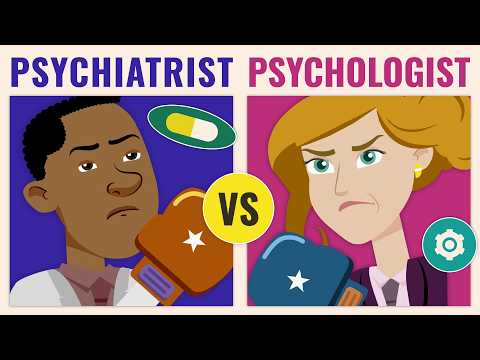
So, you’re feeling pretty down, huh? Like, really down.
You’ve probably thought about reaching out for help. But here’s the thing: you might be wondering who to turn to. A therapist? A psychiatrist? They kinda sound similar, but they’re not the same at all.
Picking between them can feel a bit confusing. Seriously, it’s like choosing between pizza and tacos when you’re super hungry—both are good, but they fill different cravings.
Let’s break it down together and see what might work best for you. You ready?
Understanding the 3-Month Rule in Mental Health: Key Insights and Applications
The three-month rule in mental health is often tossed around when we talk about how long it takes to really assess whether a treatment plan is working. Basically, this guideline suggests that if you’ve been in therapy or on medication for about three months and you’re not seeing any improvement, it’s a good idea to reconsider your approach. It’s like, if nothing’s changing after a decent chunk of time, maybe the strategy needs some tweaking.
Now, when it comes to choosing between a therapist and a psychiatrist for depression, this rule can play a big role. A therapist might help with emotional support and coping strategies through talk therapy. On the flip side, psychiatrists focus more on the medical side of things—they can prescribe medications to help manage symptoms. Knowing when to switch up your game plan could be crucial.
Here are some important facets related to this three-month rule:
- Therapy Timeframes: Generally speaking, therapists might encourage regular sessions over at least a few months. But if you’re feeling stuck or worse after that timeframe, it’s worth talking about.
- Medication Monitoring: With medications prescribed by psychiatrists, it usually takes around four to six weeks before you start feeling any effects. However, after three months without relief? That could mean either medication isn’t right for you or dosage adjustments are needed.
- The Importance of Communication: If you’re not feeling better—talk! Be open with your provider about what’s going on. They can’t read your mind and need your input.
- Holistic Approach: Sometimes it’s not just one thing that’s off; you might benefit from combining therapies and meds. Maybe seeing both types of professionals works better!
Let me share an example: imagine you’re Sarah. She started seeing a therapist for her depression last January. After three months of talking things out, she felt kind of the same—just struggling day-to-day but still fighting hard. During her session in April, she mentioned this plateau to her therapist who suggested bringing in a psychiatrist into the mix for medication evaluation.
That’s where things got interesting! With some meds added into her routine alongside therapy sessions? You bet she began noticing small shifts in her mood over time! It’s all about finding that balance that works best for you.
In short, keeping this three-month rule in mind can help steer you towards what’s really working—or what isn’t—in your mental health journey. Just remember: everyone is different! So don’t hesitate to adjust or change directions based on what feels right—or wrong—for you personally.
Identifying the Key Signs of Deteriorating Mental Health: What to Watch For
Mental health can be such a tricky thing to navigate. You might feel totally fine one day, and then the next day, things just start to feel like they’re spiraling. Recognizing the signs of deteriorating mental health is crucial. This awareness can help you or someone you care about get the support needed before things escalate. So, what should you be watching for?
Changes in Mood: If you notice someone swings from happiness to sadness or irritability without much reason, that’s a red flag. Like, one minute they’re laughing at jokes, and the next they’re snapping at everyone over nothing.
Social Withdrawal: When a person starts avoiding friends and family, it usually means something deeper is going on. You know that friend who used to love hanging out? If they’ve suddenly ghosted everyone, check in on them.
Changes in Sleep Patterns: Sleeping too much or too little can signal trouble. Have they become a night owl overnight? Or are they sleeping all day? Both extremes toss a huge wrench into mental stability.
Appetite Fluctuations: Eating way more or way less can indicate distress as well. Say your buddy goes from munching popcorn every movie night to barely touching their meals—big deal!
Lack of Motivation: When everyday tasks feel impossible, like showering or getting out of bed? That’s not just laziness; it’s often linked to something deeper like depression.
Increased Irritability: Feeling annoyed easily isn’t just part of being human. If someone snaps at every little thing—even stuff that wouldn’t normally faze them—it can be a sign that they’re struggling.
Difficulty Concentrating: Can’t focus while working or reading? It’s frustrating! But when this happens regularly and seems overwhelming, it could indicate mental health issues brewing below the surface.
Substance Use: Sometimes people turn towards alcohol or drugs as a coping mechanism. If you notice an uptick in drinking or substance use, especially as a way to escape feelings—it’s important to address it.
The choice between seeing a therapist and a psychiatrist for depression often depends on these signs. Therapists generally focus on talk therapy—helping you work through thoughts and feelings—while psychiatrists often handle medications that can help balance brain chemistry when things get serious.
When weighing your options, think about what feels right for you—or consider doing both!
Ultimately, recognizing these signs is super important for getting help early on. It might take some courage to reach out but remember: everyone needs support sometimes!
Understanding the Difference: Psychologists vs. Psychiatrists in Treating Depression and Anxiety
It’s super common to mix up the terms “psychologist” and “psychiatrist.” Honestly, you wouldn’t be alone if you didn’t know their differences, especially when dealing with something as complex as depression or anxiety. So, let’s break it down.
First off, a psychologist is generally someone who has a Ph.D. or Psy.D. in psychology. They focus mainly on talk therapy—basically, helping you understand your thoughts and feelings through conversation. They can do things like:
- Provide counseling and therapy
- Conduct psychological assessments
- Offer coping strategies for daily life
Imagine going to a psychologist if you’ve been feeling overwhelmed with anxiety about work. They’d chat with you about what’s going on in your mind and help you figure out strategies to manage those feelings.
On the flip side, a psychiatrist is a medical doctor (they have an M.D. or D.O.) who specializes in mental health. This means they can prescribe medications along with providing therapy options. In fact, they often do both! Here’s what you might expect from them:
- Treat mental health disorders primarily with medication
- Sometimes offer some form of talk therapy
- Evaluate the biological aspects of mental health issues
Let’s say you’re struggling with severe depression that’s making everyday tasks feel impossible. You might go to a psychiatrist who could prescribe an antidepressant to help lift that fog while also suggesting some therapy sessions.
Now, deciding between the two can feel like being stuck at a crossroads. It really depends on what you’re dealing with:
– If you’re looking for therapy and support, a psychologist would likely be your go-to.
– If medication seems necessary to help stabilize mood swings or severe anxiety symptoms, then seeing a psychiatrist makes more sense.
It’s not uncommon for people to see both—a psychologist for ongoing talk therapy and a psychiatrist for medication management. That way you’re getting comprehensive help!
Here’s something emotional: Imagine Sarah, who’s felt like she’s been drifting in this heavy cloud of sadness and worry every day. After talking to friends, she decides to see someone about it. She starts with a psychologist who helps her unpack her feelings through some really sensitive conversations that make her realize what’s triggering her anxiety about work and personal relationships. But after several weeks of no progress in feeling better, her therapist recommends she sees a psychiatrist too; turns out Sarah could benefit from medication along with the support she’s been getting.
Remember: Both psychologists and psychiatrists play important roles in treating depression and anxiety—and choosing one doesn’t mean you’re tied down! You can always switch gears or build your support team as needed. Just keep it simple—know what you’re looking for!
When you’re feeling bogged down by depression, it can be tough to figure out where to turn for help. You might find yourself staring at your phone, thinking about whether you should call a therapist or a psychiatrist. It’s like standing at a crossroads—each path looks different, and you just want to find the right one for you.
Therapists are usually your go-to folks when you’re looking for someone to talk things through with. Maybe they’ll help you sort out your feelings, develop coping strategies, or just listen while you unpack what’s going on in your head. I remember when my friend Sarah was dealing with a tough breakup. She started seeing a therapist who guided her through those rough emotions and helped her realize her self-worth wasn’t tied up with any one relationship. The emotional support she got was incredible; it’s like she had someone holding her hand while she navigated the storm.
On the flip side, psychiatrists are medical doctors who can prescribe medications. If symptoms of depression are severe and interfering with daily life—like not being able to get out of bed or losing interest in things you once loved—a psychiatrist might be the better choice initially. They can evaluate if medication could provide that extra support to help lift some of those heavy feelings. A close buddy of mine dealt with this recently; he felt stuck in a loop of sadness that he couldn’t shake off because his brain just wasn’t firing on all cylinders anymore. After seeing a psychiatrist, he started on some meds that really made a difference for him.
So how do you choose? Well, sometimes it depends on what you’re feeling and what kind of help you think will fit best for where you’re at right now. If talking it out feels crucial but medication doesn’t seem necessary yet, then maybe starting with a therapist makes sense. But if you’re struggling big time and suspect that there’s more going on chemically in your brain, don’t hesitate to reach out to a psychiatrist.
Regardless of which route you take, knowing this is so important: seeking help is a sign of strength, not weakness. The process might look different for everyone, but taking that first step? That’s what counts most.