Depression can feel like a heavy fog, right? You wake up and it’s just there, smothering everything. You want to shake it off, but it sticks around like that one friend who never gets the hint to leave.
But what if I told you there’s this cool thing happening in the world of depression treatment? Something that’s shaking things up—literally! Yup, I’m talking about electrical stimulation. Sounds kind of sci-fi, huh?
It’s not exactly what you might think. This isn’t some crazy gadget from a movie; it’s becoming a real option for folks looking for relief. And honestly, the results can be pretty mind-blowing.
Let’s dig into this whole fascinating topic together and see how it could change lives. Excited? Me too!
Understanding ECT: Identifying Unsuitable Candidates for Electroconvulsive Therapy
Electroconvulsive therapy (ECT) can sound a bit daunting, right? But it’s actually a well-established treatment, especially for severe depression when other options just don’t cut it. But here’s the thing: not everyone is a good candidate for ECT. Let’s break down what that means.
First off, you need to know that ECT involves sending small electrical currents through the brain. This is used to trigger a brief seizure, which can help alleviate symptoms of mental health conditions. However, some people might not be suitable for this type of therapy.
One big factor is **overall health**. If you have certain physical conditions like heart problems or severe respiratory issues, ECT could pose risks. You see, the procedure does involve anesthesia and some changes in your body’s basic functions.
Then there’s **mental health history** to consider. For instance:
- Bipolar disorder: If someone with bipolar has had past manic episodes without proper stabilization, they might not be ready for ECT yet.
- Psychosis: People with untreated psychotic disorders may also need more groundwork before diving into ECT.
- Substance use disorder: If someone is actively abusing substances, this can interfere with treatment and might skew results.
Now imagine a friend named Sarah who struggled with chronic depression and had tried everything—medication after medication, therapy sessions that felt like they were going nowhere. After much consideration and discussions with her doctor, she was told she might be a candidate for ECT! But before jumping in, her doctor looked at her overall health first. Luckily Sarah was fine physically but struggled with anxiety about undergoing anesthesia.
Another crucial point relates to **informed consent**. You know how sometimes we sign forms without really understanding what we’re getting into? That doesn’t work with ECT! Candidates need to have a clear grasp of what the therapy involves so they can decide if it’s right for them.
Also worth mentioning are **personal preferences** and **values**. Not everyone feels comfortable with the idea of having their brain stimulated in this way—and that’s okay! Some people simply prefer more traditional methods like talk therapy or lifestyle changes.
So in short: if you’re considering ECT or know someone who is—take stock of these factors! It’s all about ensuring each person’s unique situation gets its proper attention before making any decisions about treatment options.
And hey, remember that mental health care isn’t just one-size-fits-all; it should be tailored to fit you *and* what works best in your life!
Understanding the Duration of Electroshock Therapy: FAQs and Insights
Electroconvulsive therapy (ECT) might sound a bit intense, but it’s actually a well-established treatment for severe depression and other mental health conditions. One big question folks have is about how long this treatment lasts and what to expect during the process.
First off, ECT usually involves a series of sessions. Typically, you might go through about 6 to 12 treatments, depending on how you’re responding. These sessions are often scheduled two to three times a week. So, it can feel like a bit of commitment at first.
Now, let’s talk about duration. When people say how long the effects last, it really varies from person to person. Some might feel relief from symptoms for months after finishing the treatment, while others might find that they need additional sessions or maintenance treatments to keep those symptoms at bay.
Here are some things that can influence how long the benefits last:
You may wonder about side effects too. Most commonly reported ones include temporary memory loss or confusion—but hey, this tends to improve over time. It’s crucial to have open conversations with your healthcare team about what you’re experiencing.
A friend of mine went through ECT after struggling with major depressive disorder for years. Initially hesitant because of all the myths surrounding it, he found that not only did the treatments help lift his depression significantly but he also learned coping strategies through therapy afterward that made a lasting difference in his life.
To wrap up, ECT can be a powerful tool in treating depression when other methods haven’t worked out so well. The key takeaway is that while it involves several sessions and varying durations for effects, many people find real hope and relief. Just remember that this isn’t meant as a standalone solution; combining treatments with ongoing support can make all the difference!
Exploring the Negative Effects of Electroconvulsive Therapy: What You Need to Know
Electroconvulsive therapy (ECT) is a treatment that’s been around since the 1930s. It’s designed to help people with severe depression when other treatments haven’t worked. While some folks may experience relief, it’s not all sunshine and rainbows. There are indeed negative effects to consider, so let’s break it down.
Memory Loss is one of the most talked-about side effects. Many people report forgetting things that happened just before or after the treatment. Imagine going to a birthday party and having no recollection of the cake or the fun times with friends afterward! For some, this memory loss can be temporary, but for others, it lingers longer than they’d like.
The next issue could be confusion. Right after ECT sessions, you might feel foggy or disoriented. It’s like waking up from a deep sleep and not quite knowing where you are for a bit. This confusion usually fades away in a short time but can still be unsettling.
There’s also talk about physical side effects. Some people complain of headaches or muscle aches post-treatment. It can feel like you’ve done an intense workout without ever stepping foot in the gym! These physical symptoms might not last long but can add to an already frustrating situation.
Emotional changes are another factor to consider. While ECT aims to bring relief from depression, some individuals might feel emotionally flat afterward. It can be confusing—you’re no longer sad, but you’re also not feeling much joy either.
And let’s not forget about stigma. Even today, some people view ECT negatively due to misconceptions about its safety and effectiveness. You know how sometimes folks hear something once and then run with it? That happens with ECT too—leading many to feel misunderstood or judged if they choose this path for their mental health.
To wrap it up, Electroconvulsive Therapy isn’t just a quick fix; it’s packed with potential downsides that vary from person to person. Every individual reacts differently, so understanding these negative effects is crucial before diving in headfirst. Remember, having open conversations with your psychiatrist or mental health professional is key—they’re there to help you navigate this complex landscape!
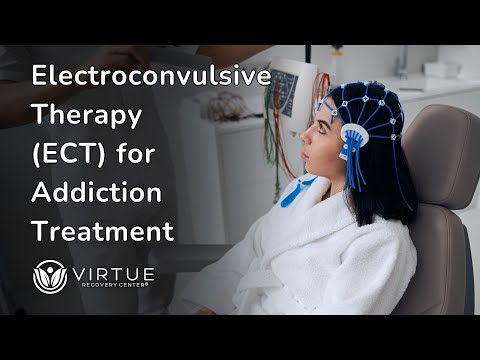
You know, when you hear about depression treatment, it often brings to mind therapy sessions or pills. But recently, there’s been this growing buzz around electrical stimulation for treating depression. It feels a bit like science fiction, doesn’t it? I mean, just picture someone sitting in a chair with electrodes attached to their head, and somehow that helps lift their mood. Sounds wild!
So, here’s the thing: Depression isn’t just feeling sad; it can be like this heavy cloud that just hangs over everything you do. I remember a friend of mine who struggled with it for years. She was bright and funny but found herself in this dark place where nothing felt enjoyable anymore. That struggle is so real for so many people. Traditional treatments sometimes help, but they don’t work for everyone.
Now, that’s where this electrical stimulation stuff comes into play. Techniques like Transcranial Magnetic Stimulation (TMS) or Electroconvulsive Therapy (ECT), which sound intimidating at first glance, have been shown to help some folks when other methods don’t cut it. TMS uses magnetic fields to stimulate nerve cells in the brain—kinda cool if you think about it! It’s like sending gentle little nudges to the brain areas that could use a boost.
And then there’s ECT, which gets a lot of flack because of its history and portrayal in movies and media. While it does involve a more significant electrical shock than TMS, it’s actually come a long way and is surprisingly safe nowadays. For my friend who had hit rock bottom after countless failed treatments, ECT turned out to be a game-changer for her—she started feeling like herself again.
But let’s be real: these methods aren’t magic wands. The results can vary from person to person and often come with side effects—like headaches or memory lapses—but for some people, these treatments are worth the trade-off because they bring hope back into their lives.
I think one of the most important aspects of this discussion is awareness and openness about mental health treatments evolving. It’s not just about fitting into one box of therapy or medication anymore; there are options out there that cater to different needs.
So if you or someone you know is struggling with depression and feels stuck in the traditional paths of treatment without results? Maybe giving something like electrical stimulation a shot could be worth considering alongside other options. Who knows? It might just ignite that spark again!