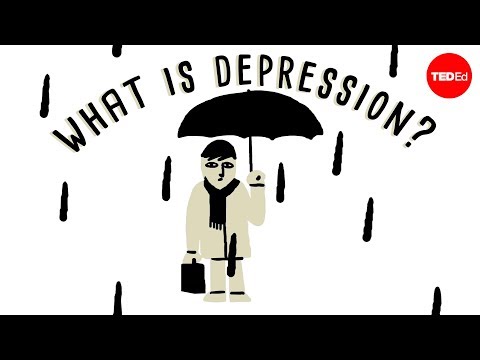
You know those days when everything feels kinda heavy? Like you’re walking through mud? Yeah, that’s a bit like what depression can feel like.
But it’s not just the sad moments. There’s so much more going on under the surface. Seriously, it can be a maze of emotions and thoughts that seem to pull you in all kinds of directions.
What we often don’t realize is how many things can actually lead to that sinking feeling. It’s wild how our experiences, biology, and even relationships shape what we go through.
So let’s talk about some of those causes. You might find it interesting—or maybe even relatable—to see how they impact not just your mood but your whole outlook on life.
Understanding the Psychological Influences of Depression: Key Insights and Impacts
Depression can feel like a heavy fog that just won’t lift. And it’s not just about feeling sad; it’s like a mix of emotional, physical, and even psychological stuff that plays into how we see the world. Let’s break down some of those influences and impacts, shall we?
Psychological Factors in Depression
So, there are a lot of different things that can set off depression. It might start with unresolved trauma, which could be anything from childhood experiences to big life events. When someone goes through something really tough, it can create these deep emotional scars. Think about Sarah, who lost her dad when she was young. That grief might come back to haunt her unexpectedly years later.
Another big piece is negative thought patterns. You know? Those pesky thoughts that make you feel worthless or hopeless. This is called cognitive distortion. It’s when your brain tricks you into thinking certain things are true, even when they aren’t! For instance, if Mark failed a test and suddenly thought he was stupid for life—yeah, that’s distortion knocking at the door.
Low self-esteem is also part of the puzzle. When you don’t believe in yourself or your abilities, it’s like you’re wearing these heavy glasses that only let you see your flaws. Imagine Lisa, who can’t take a compliment without brushing it off or worrying about what people really think.
And then there’s the role of stress and pressure. Life throws so much at us: work deadlines, family issues—like juggling too many balls in the air while someone keeps adding more! Too much stress has been linked to triggering depressive episodes in many folks.
The Impact of Depression on Daily Life
When depression kicks in, it’s not just an internal struggle; it spills over into everything around you. Relationships often suffer because people with depression might pull away or seem distant. They may withdraw from friends or family because they feel like a burden or can’t deal with social situations anymore.
There’s also this physical aspect to consider. The lethargy that often comes with depression can make even simple tasks feel monumental—getting out of bed? That’s an Olympic-level effort on those darker days.
And don’t forget about how it messes with sleep and appetite—which are super crucial for mental health! Some might find they can’t sleep at all while others want to nap all day long (cue endless scrolling on their phones). Similarly, food choices change too; either someone dives into comfort food or completely loses their appetite.
Also important is how depression influences decisions and performance at work or school. It’s hard to concentrate when your mind feels cloudy—so grades may drop or performance suffer because of it.
Conclusion
Understanding how psychological factors contribute to depression helps illuminate why it’s more than just feeling sad sometimes—it’s an intertwining web of emotions and thoughts that shape daily experiences. Just remember: while it’s tough dealing with these feelings alone, reaching out for support can be powerful! There are ways through this fog; don’t hesitate to take those first steps towards brighter days ahead.
Understanding the Psychological Effects of Depression: Insights and Implications
Depression isn’t just feeling sad. It’s like this heavy fog that creeps into everything, making even the simplest things feel like monumental tasks. Seriously, you might feel a loss of interest in stuff you used to love, like hanging out with friends or picking up that hobby you were once all about.
The causes of depression can be super varied. They might include:
- Genetics: If someone in your family has battled depression, you could have a higher risk.
- Brain Chemistry: Sometimes, the balance of chemicals in your brain can be off. You know those feel-good hormones? Yeah, they play a huge role here.
- Life Events: Major changes or stressors—like losing a job or going through a breakup—can spark depression.
- Health Conditions: Chronic illnesses or conditions can also contribute to feelings of hopelessness and sadness.
So what happens when you’re caught in that fog? Well, it messes with how you think and feel about yourself and the world around you. You might catch yourself thinking you’re worthless or that things will never get better. This kind of negative thinking can trap you in a cycle that’s tough to break.
Let’s say you’re feeling down after something major goes wrong at work. Your mind starts to race with thoughts like «I’ll never find another job,» or «Everyone’s going to judge me.» These spiral thoughts can drain your energy and motivation even more.
But it doesn’t stop there! Depression can hit your ability to concentrate too. Ever tried reading a book only to realize you’ve reread the same page for an hour? That’s because your brain is overloaded with negative emotions, making it tough to focus on other stuff.
And get this—your relationships can take a hit too! You might isolate yourself from friends since part of you thinks they won’t understand what you’re going through—or maybe you’re exhausted from pretending everything’s okay. So now you’re alone, which just deepens those feelings of sadness.
Now let’s not forget about the physical effects! You may feel tired all the time or struggle with sleep—either sleeping too much or not enough. All these symptoms blend together into one messy experience that feels overwhelming.
If you’re experiencing something similar, remember it’s vital to talk about how you’re feeling. Whether it’s chatting with someone you trust or seeking help from a mental health professional, acknowledging those feelings is the first step toward clarity and healing.
In short, depression affects not just how we feel but also our overall outlook on life—not fun at all! And while it feels insurmountable at times, there are tons of resources out there that’ll help lighten that load over time. You’ve got this; just take it one step at a time!
“Exploring the Key Causes of Depression: Understanding Mental Health Triggers”
Depression can feel like a heavy fog that rolls in and distorts everything around you. It’s not just feeling sad; it’s a complex condition with various triggers. Let’s break down some key causes of depression to get a better grip on what might be going on beneath the surface.
Biological Factors play a huge role in depression. This means your brain chemistry, genetics, and even hormonal changes can contribute to how you feel. For example, if someone in your family has struggled with depression, you might be more likely to experience it too. It’s similar to having a family history of heart disease or diabetes.
Environmental Triggers also can’t be ignored. Stressful life events like losing a job, going through a breakup, or even major life changes like moving can shake things up emotionally. Imagine trying to juggle multiple balls while someone keeps adding more! Eventually, something’s gotta drop.
Then there are Psycho-social Factors. Relationships play a massive part in our mental health. Toxic friendships or even being isolated from friends and family can weigh heavily on you. Have you ever felt completely alone in a crowded room? That feeling is real and impactful.
Also important are Psychological Factors. This includes how you think about yourself and the world around you. If you’re prone to negative thoughts or have low self-esteem, it might become harder to bounce back from life’s setbacks. Those pesky negative thought patterns can create an echo chamber of despair!
And let’s not forget about Cumulative Stress. Sometimes it’s not just one thing that tips the scale but several smaller stressors piling up over time. You could be handling work stress, relationship issues, and health concerns simultaneously—any one of those things could lead to feelings of hopelessness eventually.
Last but not least are Lifestyle Factors. What we eat, our level of physical activity, and even sleep patterns play significant roles in our mood. Not getting enough sleep is like trying to run on empty; eventually you’ll crash hard!
So yeah, there’s no single reason why depression shows up for some folks and not others—it’s often a swirling mix of these factors coming together at the wrong time. Understanding these triggers can help in better managing feelings when they arise so that fog doesn’t stay as long—or at least isn’t as thick when it does roll in!
Depression is one of those heavy topics that can feel a bit overwhelming. It’s not just about feeling sad; it’s like this dark cloud that settles in and messes with everything—your joy, your energy, even your relationships. You know?
So, what causes it? Well, it can be a mix of stuff. I mean, sure, there are chemical imbalances in the brain and genetic factors play a role too—if depression runs in your family, there’s a chance you might deal with it as well. But it’s not just biology; life experiences can shape how we feel too.
Think about someone who has gone through a tough breakup or lost a job. That kind of stuff can shake your self-esteem to its core. I remember a friend who was super upbeat until she got laid off from her dream job. She felt lost and began isolating herself from friends because all those feelings weighed her down. It was heartbreaking to watch her struggle.
Then there’s the environment around us, right? Stressful life events like moving or caring for an ill family member can pile on the pressure until you’re just worn out. And sometimes it feels like you’re stuck in this loop of negative thoughts that just won’t quit playing in your head.
The psychological impact is real too—it’s not just about the blues. Feelings of hopelessness can creep in and make you question everything from your worth to your future plans. It’s exhausting trying to find joy when everything feels gray.
But here’s the thing: understanding depression—its causes and impacts—can help you break that cycle. Whether it’s talking things out with someone or finding new ways to cope, even small steps matter. I think we often underestimate how complex our minds are and how our experiences shape them.
So while we can’t always control what causes these feelings, knowing more about them helps us navigate through those rough patches a bit better. And if you’re ever feeling low—or if after reading this something clicks—you shouldn’t hesitate to reach out for help or chat with someone who gets it!