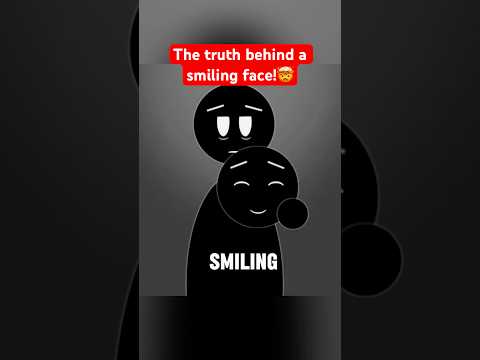
You know that saying, “You never really know what someone’s going through”?
It’s so true.
Think about it. You see people every day with their bright smiles, laughing and joking around. But behind those smiles, there can be a whole different story.
It’s wild how someone can seem totally fine on the outside but be battling some heavy stuff inside. Like, you might have a buddy who always cracks jokes and seems like the life of the party—but underneath, they could be feeling lonely or anxious.
This stuff hits close to home for many of us. We all wear masks at times, right? Those little acts we put on to keep things together while dealing with our own challenges.
In this piece, we’re gonna peel back the layers a bit. Let’s chat about those hidden struggles that people often keep tucked away. Because honestly? It’s time to get real about what’s really going on behind those smiling faces.
Understanding Mask Theory in Psychology: Uncovering the Facades We Wear
Mask Theory in Psychology is a fascinating concept. It’s about the different facades we wear in our daily lives. Think of it like this: you might put on a smiley face at work, even if you’re feeling down inside. This idea connects to how people hide their true feelings behind various «masks.»
So, what’s really going on here? Well, people often feel they need to project a certain image to fit in or be accepted. It’s not uncommon for someone to smile and act cheerful while battling anxiety, depression, or other struggles beneath the surface. This kind of behavior can lead to feelings of isolation and misunderstanding.
The concept of masks helps us understand that everyone has their own hidden battles. You might see someone laughing or being super social, but you have no clue what they’re facing when they go home. We all have different reasons for wearing these masks—fear of judgment, desire for acceptance, or just trying to cope with life’s challenges.
Let’s unpack some key points about mask theory:
- Societal Pressure: We often feel the need to conform to societal norms. Like think about how people expect you to react in certain situations—joyful at weddings and somber at funerals.
- Fear of Vulnerability: Many folks are scared of showing their true emotions because it feels risky. What if they get judged? Or worse, what if someone doesn’t understand?
- Coping Mechanism: For some, putting on a mask becomes a way to handle stress or trauma. It can provide temporary relief but often leads to bigger issues down the line.
- The Struggle for Authenticity: Deep down, many want to be seen as they truly are—flaws and all—but fear often holds them back from taking off that mask.
You know those days when everything feels heavy? Maybe you’re smiling through the pain; that’s an example of mask theory at work. Maybe you run into an old friend who asks how you’re doing and you say «Great!» even though inside it feels like a storm is brewing.
Here’s something vital: finding safe spaces where you can take off your mask is crucial. Whether it’s friends who get you or therapy sessions where no judgment exists—they help create an environment where vulnerability feels less scary.
Overall, understanding mask theory can give us some insight into ourselves and others too. It encourages compassion; when we realize everyone might be struggling behind their own facade, we can connect on a deeper level.
In the end, nobody wants to feel alone in their struggles; letting others see behind the mask can foster real connections. So next time you notice someone smiling when it doesn’t quite match their eyes, remember there could be a lot more going on beneath that surface—like stories waiting to be told and burdens ready to be shared.
Understanding Smile Mask Syndrome: Unveiling the Hidden Struggles Behind a Facade of Happiness
Understanding Smile Mask Syndrome is all about peeling back the layers of that cheerful facade people often wear. You know, like when someone looks totally fine and happy on the outside, but inside they’re struggling with sadness or anxiety? It’s a real thing, and it’s more common than you might think.
People who deal with Smile Mask Syndrome often feel pressured to act positive around others. They might think that if they show any signs of struggle, they’ll be judged or seen as weak. So, they put on a smile and pretend everything’s cool. But that can create a painful disconnect between how they actually feel and how they present themselves.
Sometimes it connects to social expectations. Like, you might have encountered someone at work who always seems upbeat. What if I told you that person stayed up all night worrying about their future? It’s wild how we can look like we’ve got it all together when we’re feeling anything but.
There’s this pressure to maintain a certain image—like perfection is the goal. But seriously, no one is perfect! That pressure can lead to anxiety or depression in those who feel they must keep smiling. The thing is, smiling doesn’t solve problems; it just masks them for a while.
Now, let’s break down what this syndrome can look like:
- Constantly putting on a brave face: You wake up every day ready to face the world with a smile, even when you don’t want to get outta bed.
- Avoiding authentic connections: It can be tough to open up about what’s really going on because you’re afraid of being vulnerable.
- Feeling exhausted: Keeping up the facade takes energy! You might find yourself drained at the end of the day.
- Coping mechanisms: Some people start using unhealthy ways to cope—like overworking or even substances—to manage their feelings.
Let me share an example: Picture Sarah, who works in customer service. Everyone thinks she’s so bubbly and friendly because she smiles all day at work. But behind closed doors? She struggles with anxiety and feels overwhelmed by her responsibilities. Her friends see her bright smile but don’t realize she feels alone in her struggles.
It’s crucial for folks dealing with this syndrome to find safe spaces where they can express their true feelings without fear of judgment. Sometimes talking it out with friends or seeking professional help can make a big difference. Therapy could help them peel back those layers safely and find their authentic selves again.
So what gets in the way of recognizing Smile Mask Syndrome? A lot has to do with stigma around mental health issues and not knowing how common these experiences really are. If we could just normalize talking about our emotions—both happy and sad—it’d make such an impact!
In essence, behind those smiles could lie deeply rooted struggles that deserve attention and compassion. You never really know what someone else is going through beneath that surface level smile, right? Let’s aim for more understanding and support for each other along this tricky journey called life!
Unmasking Emotional Truths: What It Means to Be Behind the Mask in Mental Health
Unmasking Emotional Truths: Understanding the Hidden Struggles
You know, we often walk around with a smile plastered on our faces. It’s like a badge of honor. But beneath that cheerful exterior, many are hiding their true feelings. It’s kind of like putting on a mask to fit in or to protect ourselves. So, what does it really mean to be behind the mask in mental health? Let’s chat about it.
The Concept of the Mask
The “mask” can symbolize so many things. For some people, it’s about our fear of judgment or rejection. Others might wear it to avoid confronting their pain. You might be at a party laughing and chatting, but inside you could feel completely alone or anxious.
Why Do We Wear Masks?
There are tons of reasons why people choose this route:
Imagine a friend who seems perfect—always happy, successful, and upbeat—yet they’re dealing with depression secretly. It’s heartbreaking because that smile hides so much pain.
The Cost of Wearing the Mask
Hiding behind a mask can take its toll! It might feel safe at first, but eventually? Well, it can become exhausting. What happens is:
After a while, keeping up this facade can lead to feelings of disconnection and loneliness—even when surrounded by friends.
Breaking the Cycle
So what can we do to unmask those emotional truths? It’s all about creating spaces where openness feels safe. Here are some practical ways:
Take Sarah’s story as an example. She was always the life of the party but battled anxiety in silence for years. When she finally opened up during a casual coffee chat with friends, she found out several had similar feelings! They supported each other through tough times.
The Path Forward
Being vulnerable isn’t easy; it comes with risk but also rewards. When you allow yourself to take off that mask—even just a little—you open doors for connection and understanding.
In short? You don’t have to hide anymore! The more we talk about these hidden struggles and acknowledge them as part of our shared human experience, the brighter things can get for everyone involved.
So let’s encourage each other to drop those masks once in awhile—it really does make a difference!
You know, it’s kind of wild how we often see people with big smiles plastered on their faces, and we think everything’s just peachy. But deep down, so many are fighting battles you could never imagine. I’ve seen it in friends and, honestly, even in myself. There’s this weird pressure to keep up appearances, like we’re all in a play and the show must go on—regardless of what’s really happening behind the curtain.
I remember a friend of mine who always seemed so chipper. Like, every time I saw her, she was cracking jokes and lifting everyone’s spirits. But then one day, she broke down during lunch and confessed how heavy everything felt for her. It hit me hard because I’d thought she had it all together. Turns out, underneath that bubbly exterior was a whole lot of anxiety and self-doubt.
So many people wear their masks well, right? We can get caught up in our own lives to the point where we forget that everyone has their own struggles. Social media definitely doesn’t help either; it creates this illusion that everyone else is living their best life while you might be feeling low or overwhelmed. Sometimes just knowing someone else struggles can lighten your load a bit; it reminds you you’re not alone.
The thing is, those smiles can be coping mechanisms or shields against the world’s expectations. Society kinda tells us that if you’re smiling, you’re okay—so why would you need help? But behind those grins are stories filled with anxiety, sadness, or even trauma that deserve to be acknowledged.
It makes me think about compassion too—how important it is to check in on our friends or even acquaintances. A simple “How are you?” can open doors to conversations we didn’t see coming. You never know what someone is going through until they feel safe enough to share.
So yeah, let’s remember that behind every smiling face could be a hidden story of struggle or pain. Maybe we should celebrate not just the masks but also the bravery it takes to take them off sometimes and show our true selves. It might turn out that those moments of vulnerability bring us closer together than any smile ever could.