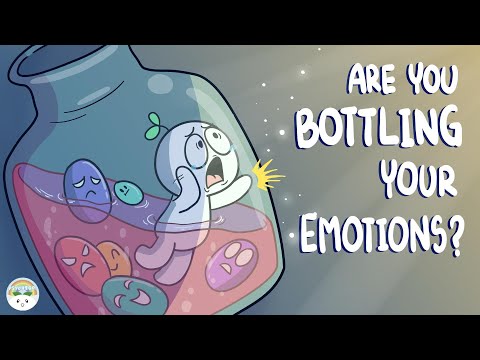
Hey there! So, let’s chat about something that, honestly, we all go through at some point—feeling down in the dumps. You know those days when getting out of bed feels like climbing a mountain? Yep, been there.
Sometimes it’s hard to tell if it’s just a funk or something deeper. And that’s where this little quiz comes in. It’s super simple, and you won’t need a degree to figure it out.
All it really does is help you check in with your mood. Like, are you just having a rough week or is your mind trying to tell you something more?
Let’s break it down together. No judgment here—just a friend helping another friend out! Ready?
Free Depression Test: Discover Your Mental Health Status Today
So, you’re thinking about taking a free depression test, huh? That’s a pretty good step. But let’s chat about what this really means and how it can help you.
First off, these tests are usually designed to assess your mood and help you figure out if you’re experiencing symptoms of depression. They typically include questions about how you’ve been feeling lately, like your energy levels, sleep patterns, or interest in things you usually enjoy. Feeling sad or hopeless for longer than two weeks? That’s a big red flag.
The thing is, having a bad day doesn’t automatically mean you’re depressed. We all have those moments—you know, the kind where everything just feels heavy and uninspiring? But if those feelings stick around for weeks or even months, that’s when it becomes something worth looking into.
- Standard Tests: Many free tests out there are based on recognized questionnaires like the PHQ-9 or Beck Depression Inventory. These are actually used by professionals to screen for depression.
- Quick Results: Most of these quizzes don’t take long—usually less than 10 minutes. You might feel like they’re super basic, but they often get right to the point!
- No Substitute: It’s key to remember that while these tests can give some insight into your mental health status, they’re not a replacement for professional advice. If you find yourself scoring high on the scale of moodiness or lethargy, reaching out to a therapist can be really helpful.
You know how sometimes we just need someone to bounce our thoughts off? Talking it through with someone who gets mental health can provide the support and guidance you really deserve.
I remember a friend who took one of those online quizzes just out of curiosity. At first, she thought it was silly, but then realized she scored at a level indicating mild depression. That pushed her to seek help she didn’t even know she needed! Sometimes just taking that tiny step—like answering a few questions—can lead to big changes in life.
If you’re interested in checking one out, make sure you find one from a credible source; there are plenty of websites that offer them for free and have solid reputations in mental health care.
In short, take that quiz if you’re curious! It might give you some food for thought about your feelings and well-being. And remember: whatever the results show doesn’t define who you are as a person. It’s just information on where you’re at right now—and knowing is half the battle!
Take Our Free Depression and Anxiety Test: Understand Your Mental Health Today
So, you’re thinking about taking that free depression and anxiety test? Good move! It’s all about getting to know yourself better, right? It’s like checking your car’s oil before a long road trip. You want to make sure everything’s running smoothly. But what’s really going on with these tests?
Firstly, these tests can help you assess your mood and emotional state. You answer a set of questions that highlight how you’ve been feeling lately. It’s like sitting down with a friend who casually asks if you’re okay—but way more structured.
- Why take the test? Well, maybe you’ve noticed some changes in your mood or energy levels, or perhaps those feelings of anxiety seem to be taking over. This test gives you a clearer picture of where you stand.
- The format is usually straightforward: a series of questions regarding your thoughts and feelings over the past week or so. You might be asked how often you felt sad or anxious.
- Scoring can vary based on the specific test, but generally, it helps to categorize your symptoms into different levels—like mild, moderate, or severe.
This approach can really highlight patterns in your mental health. For instance, if you’re feeling overwhelmed by daily tasks or having trouble sleeping because of racing thoughts—that’s something worth paying attention to.
I remember chatting with a friend who always brushed off her feelings as just “bad days.” After taking a similar quiz, she realized those bad days were piling up into something more—depression wasn’t just an occasional visitor; it was becoming her roommate!
If you find that your results indicate potential issues with depression or anxiety, don’t freak out! It’s not like they’re handing out diagnoses left and right. It simply means it might be time to reach out for support—maybe talk to someone like a therapist or counselor. It’s totally normal to seek help when things feel heavy.
- Understanding the Results: Once you’ve taken the test and seen the scores, reflect on them honestly. Your score is just data—it doesn’t define who you are.
- Next Steps: If it suggests seeking help could be beneficial? Great! That opens up conversations about what support options are available—a therapist could provide strategies tailored for you.
Sometimes people get worried about what taking these tests means for their future. But hey, knowledge isn’t scary; it’s empowering. Just because you understand there may be issues doesn’t mean you’re stuck with them forever! You’ve got the power to make changes in your life!
In short, taking that free depression and anxiety test could be one of many steps toward better understanding yourself and improving your mental health journey. Just remember—that first step is more about awareness than anything else.
Discover Your Mood: Take Our Interactive Depression Quiz Today
Taking a moment to assess your mood is super important, especially when it comes to understanding depression. I mean, sometimes we all have days where we feel down in the dumps, but it can be hard to tell when that sadness turns into something more serious. So, let’s talk about what happens when you decide to take a depression quiz.
First off, these quizzes are designed to help you reflect on how you’ve been feeling lately. You’ll typically see questions that cover multiple aspects of your emotional state. You might be asked about your energy levels, how often you’ve felt sad or hopeless, and even physical symptoms like sleep issues or changes in appetite.
Here’s what you can expect from taking an interactive quiz:
- It usually consists of straightforward questions.
- You’ll rate how much each statement resonates with your experiences—like, «I’ve lost interest in activities I once enjoyed.»
- Most quizzes also aim to gauge the frequency of these feelings: sometimes? often? every day?
The thing is, while these quizzes can provide some insight into what you’re going through, they’re not a substitute for professional help. They might give you a sense of whether it’s time to reach out for support. Like my friend Sarah once said after filling one out: «I didn’t realize how much my mood had shifted until I actually saw it laid out in front of me.»
Another thing worth mentioning is that everyone experiences depression differently. That quiz result isn’t a label; it’s just a snapshot of how you’re feeling right now. It’s like checking the weather—sometimes it’s sunny and other times it’s pouring rain! But knowing the current conditions can help you plan ahead.
If the quiz indicates that you might be dealing with depression, don’t panic! It’s just an opportunity for reflection. Talking to someone who understands mental health—like a therapist or counselor—can help clarify things even further.
Key takeaways from the process:
- Quizzes can help shine light on your emotional state.
- Your answers are personal and reflect your unique experience.
- If concerns arise from your results, consider reaching out for support.
So next time you’re feeling off or just want to check in on yourself emotionally, taking one of these quizzes could be worth it. Just remember, it’s okay to ask for help if things feel overwhelming!
Have you ever felt like you’re in a funk? You know, like nothing’s really clicking, and getting out of bed feels like climbing Mount Everest? Yeah, I’ve been there. It’s rough. Sometimes, we might chalk it up to just a bad week or the winter blues, but what if it’s more than that? That’s where something like the Depressive Episode Quiz can come into play.
The thing is, mood assessments can sound a bit clinical and intense. But trust me, they’re not meant to be scary. They’re more of a way for you to check in with yourself. Think of it like checking the weather before heading out; helps you prepare for whatever’s coming your way.
Now, picture this: last winter was brutal for me. I constantly felt drained and unmotivated. Getting through my usual routine felt heavy—like trying to swim through mud. It took only a friend gently nudging me toward taking an online mood assessment before I realized how serious my down feelings really were.
Right after answering those questions honestly (and yes, sometimes awkwardly), I had this light bulb moment! They weren’t just random questions; they helped me see patterns I hadn’t noticed on my own—like how certain thoughts and feelings kept creeping up day after day.
Taking that quiz wasn’t about labeling myself or feeling stuck in some box. It was more about gaining insight into what was going on inside my head and heart. And honestly—seeing those results pushed me to talk to someone about it—a therapist who really helped me sort things out.
So yeah, if you’re feeling off or just need to take stock of where you stand emotionally, why not give the Depressive Episode Quiz a shot? It could be that first step toward understanding yourself better—and who knows? You might find some clarity along the way. Just remember: Whatever you’re experiencing is valid. You’re not alone in this!