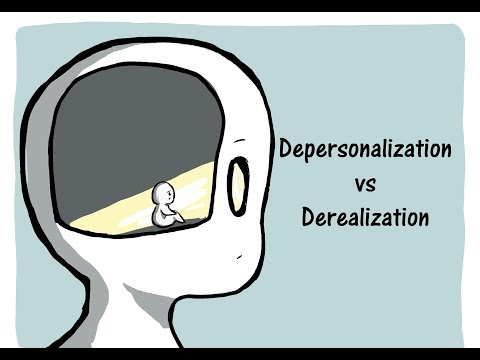
You know that feeling when everything seems a bit… off? Like you’re watching your life unfold through a screen? That’s derealization, my friend. It’s not just you.
A lot of people experience this weird sensation where reality feels distant or unreal. It can be super unsettling. But why does it happen? And what does it mean for your mental health?
Let’s chat about it. It’s more common than you think, and understanding it can really help, you know? So grab a cup of coffee, and let’s dig in!
Understanding Derealization: What It Means for Your Mental Health
So, derealization is one of those terms that sounds heavy but, honestly, it’s a pretty relatable experience for many people. Basically, when you’re dealing with derealization, everything around you can feel kinda unreal or distant. Like, you’re watching life through a foggy window or maybe even as if you’re in a movie. It can be super unsettling and can even mess with your sense of reality for a bit.
When we break it down, derealization typically falls under the umbrella of dissociative experiences. This means your mind’s trying to protect you from something overwhelming or stressful by creating that emotional distance. So instead of feeling everything intensely, it’s like your brain decides, «Nah, let’s just dial it back a bit.»
Symptoms can vary quite a bit, but they often include:
- Feeling detached from your surroundings.
- Experiencing visual distortions—like things looking blurry or two-dimensional.
- Having trouble connecting emotionally with people around you.
Imagine this: You’re hanging out at a party with friends. Music is pumping, and everyone’s laughing and having fun. But somehow, you feel like you’re floating above it all. You see their smiles and hear their jokes but can’t really connect to the happiness around you. It gives you this weird sense of isolation even when you’re surrounded by people.
Now, derealization isn’t just an isolated thing; it often tags along with other mental health issues like anxiety or depression. Sometimes it’s triggered by stress—maybe after a traumatic event or during intense anxiety attacks. Other times it pops up outta nowhere for no clear reason at all.
What’s particularly tricky about derealization is how it feeds into itself: feeling disconnected can trigger more anxiety about being disconnected! You know? It’s like this never-ending loop that makes things feel worse.
If someone experiences ongoing derealization—that’s something to take seriously. If it’s messing up daily life or creating panic attacks, talking to someone can be super helpful—a therapist may provide strategies to ground yourself back in reality.
Therapies often focus on reconnecting with yourself and the world around you:
- Cognitive Behavioral Therapy (CBT): This helps reframe negative thought patterns.
- Mindfulness practices: These help bring awareness back into the present moment.
- Grounding techniques: Like focusing on physical sensations—what do your feet feel like on the ground? Or what scents are nearby?
Medication might also come into play if derealization is tied to other mental health disorders. Antidepressants or anti-anxiety meds could help stabilize mood and reduce episodes.
All in all, understanding what derealization is can lead to better conversations about mental health overall. It’s not just some abstract concept; it’s something real that many people face at various times in their lives. Knowing this stuff helps create empathy—not only for yourself but for others too who might be fighting these inner battles silently.
Effective Strategies to Support Someone Experiencing Derealization
So, you’re worried about a friend who’s experiencing derealization? That’s tough, and it’s really important to know you can help. Let’s break it down into some effective strategies you can use.
First off, educate yourself about derealization. This is a feeling where the world seems unreal or distorted, like watching life through a foggy lens. It often happens when someone is feeling overwhelmed by stress or anxiety. Knowing what your friend is dealing with can make a huge difference in how you support them.
Listen without judgment. Sometimes, just being there to listen can be the best medicine. If your friend wants to talk about their experience, don’t jump in with solutions right away. Let them share what they’re feeling; it might feel weird for them to describe it anyway. You could say something like, “That sounds really strange and uncomfortable.” Validation like this helps them know they’re not alone.
Encourage grounding techniques. These are tools to help bring someone back into the moment when they feel disconnected. Simple things like deep breathing, focusing on physical sensations (like holding onto something cold), or even counting items in the room can really help. Just remind your friend that it’s okay to take their time finding what works for them.
Be patient and consistent. Derealization can be unpredictable. Some days might be better than others. If you notice your friend having more episodes or struggling more than usual, let them know it’s perfectly fine to reach out whenever they need support. Just being reliable means so much.
Help establish routines. Having some normalcy can provide comfort during chaotic feelings. Encourage things like regular meals, exercise (yeah, getting moving helps!) and sleep schedules—these tiny habits build stability over time.
Simplify decision-making if possible. When someone’s struggling with derealization, even small choices can feel overwhelming—like picking what to eat for dinner or deciding on plans for the weekend. Offer help in those areas without pushing too hard; taking control of little things might ease some of their anxiety.
Praise their efforts. It takes courage to face these feelings! Whenever your friend tries any strategies or shares how they’re feeling—even if it seems tiny—acknowledge that effort! A simple “I’m proud of you for talking about this” goes a long way.
Sometimes professional help is needed too—like therapy or counseling—but you being there makes a big difference while they navigate all of this. Just remember: you’re not there to fix everything; you’re there as support, letting them know they’re not alone in this foggy world.
Understanding Derealization: Effects on Your Brain and Mental Health
Derealization is one of those terms that can sound a bit intimidating, but it’s really just about feeling disconnected from the world around you. You might feel as if you’re in a dream or, like, everything is just a little off. It’s like watching your life go by through a foggy window. That sense of detachment can be pretty confusing, and honestly, it can freak you out sometimes.
What does derealization mean? In psychology terms, derealization refers to that weird sensation where your surroundings seem strange or unreal. You might look at your best friend and think, “Wait, are you really here?” Or maybe while walking down the street, everything feels like a movie set. Everything looks familiar but somehow distant.
And what triggers this? Well, there isn’t always a clear answer. Stress and anxiety are major culprits; they can kick in that feeling of unreality. Think about times when you’ve been super anxious. It’s like your brain pulls back from the chaos and goes into self-protection mode. But instead of helping you feel better, it can amplify the sense that something is off with reality.
How does derealization affect your brain? During episodes of derealization, certain parts of your brain are more active than normal—like areas linked to visual processing and emotional regulation get all scrambled up. Researchers think that maybe when you’re stressed or anxious for long periods, these areas start misfiring or just aren’t communicating properly with one another.
You might also find yourself grappling with mental health issues. Yep! It’s often seen alongside anxiety disorders and depression. When you’re already battling heavy feelings or overwhelming stress, derealization just layers on more confusion—like icing on an already chaotic cake! If you’ve experienced it for a longer time, it’s totally normal to feel isolated or even impaired in daily activities because you’re just not fully engaged with what’s happening around you.
But don’t worry; you’re not alone in this! Many people do have episodes of derealization at some point in their lives; it’s more common than you’d think. Still, if it becomes frequent or intense enough to disrupt your life—which can totally happen—it might be something worth talking to someone about.
So what should you keep in mind if you’re struggling? Here are some key pointers:
- Recognize triggers: Notice what situations make things worse for you.
- Grounding techniques: Techniques like deep breathing or focusing on sensory details (the smell of coffee brewing) can help bring you back into the moment.
- Talk about it: Seriously! Sharing what you’re going through with friends or professionals can lighten the load.
- Avoid substances: Drugs and alcohol often complicate things and might spike those feelings further.
So yeah, understanding derealization can be pretty crucial for managing mental health effectively. Getting clarity on what’s happening inside your mind makes dealing with it so much easier! Being aware helps take away some of that power that strange feeling has over you—because seriously? You deserve to enjoy every moment as fully as possible.
Imagine you’re at a party, and everything feels… off. The music’s playing, people are laughing, but it’s like you’re watching it all through a glass wall. You can see what’s happening, but you’re not really in the moment. That’s kind of what derealization feels like.
So, derealization is this funky mental state where your surroundings seem unreal or distorted. It falls under the umbrella of dissociative disorders. But don’t worry; it’s more common than you might think! A lot of folks experience it, especially during stressful times or after trauma. It’s your mind’s way of coping when things get a bit too heavy.
I remember talking to a friend who went through a tough breakup. She said she felt like she was floating through life—going to work, hanging out with friends—but nothing seemed genuine. Conversations felt scripted, and she couldn’t connect with her emotions at all. That disconnection can be so scary! It’s as if your brain decides to step back and say, “Whoa there; let’s hit pause for a second.”
Now, this might sound alarming, but for many people who experience derealization, it often passes on its own. Usually triggered by anxiety or intense stress—a big exam coming up or dealing with loss—it can feel overwhelming when it’s happening. But knowing that it’s temporary can be comforting.
However, if it lingers or risks turning into a regular part of your life? That’s when you’d want to chat with a therapist or mental health pro about what you’re going through. They can help you unpack those feelings and find ways to ground yourself back in reality.
Dealing with anxiety? Mindfulness techniques might help bring you back to the here and now—focusing on your breath or really paying attention to the taste of that coffee can remind you that you’re very much present.
So yeah, while derealization isn’t exactly something fun to go through—it can feel disorienting at best—it also shows how complex our minds are in handling tough times. Just remember: You’re not alone in this weird sensation called life!