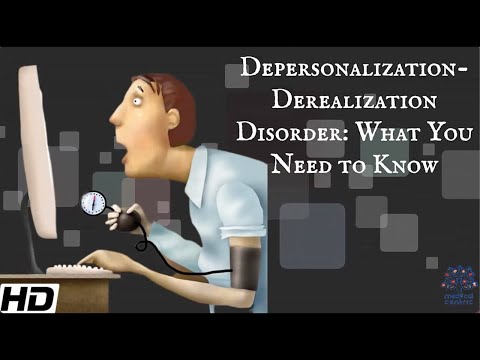
You know those moments when everything feels kind of… off? Like, you’re here, but not really present? That’s derealization. It’s like you’re in a movie, just watching life happen.
So, imagine chatting with a friend, and suddenly, they look like a character from a video game. Weird, right? That’s what people with derealization disorder experience—life feels dreamlike or unreal.
It might sound kind of strange or even funny if you haven’t felt it. But for some folks, it’s a serious thing that can mess with their daily lives.
The DSM-5—the big book that helps professionals figure out mental health conditions—has some interesting stuff about this. Let’s break it down together and see what this is all about!
Understanding DSM-5 Criteria for Derealization: Key Insights and Symptoms Explained
Derealization can feel really strange, right? It’s like you’re watching your life from behind a glass wall. One moment you’re in the moment, and the next, everything feels unreal or dreamlike. Seriously, it can be alarming and confusing.
So here’s the scoop on **derealization disorder** according to the DSM-5—basically, that’s the handbook mental health professionals use to diagnose various conditions. To be diagnosed with derealization disorder, you’ve gotta meet some specific criteria.
First off, there’s this overwhelming sense of unreality. You might notice that things around you seem distant or foggy. People look like they’re moving in slow motion or in a scene from a movie. It’s not like you’re just daydreaming; it feels persistent and disruptive.
Then there’s the fact that these feelings of unreality aren’t happening because of something else. So if you’ve been through a traumatic experience or are heavily using substances, those could throw you off but wouldn’t lead to a diagnosis of derealization disorder.
Next up: the symptoms have to cause some serious distress or interfere with your daily life. If you’re going through your day feeling disconnected but still managing fine, it might not hit the threshold for a diagnosis.
In summary, let’s break down what makes derealization disorder tick:
- Persistent feelings of unreality: Everything seems foggy or distant.
- Not due to another condition: It shouldn’t stem from trauma or substance use.
- Causing distress: These feelings shouldn’t just be annoying; they should impact how you live your life.
I remember talking to someone who described exactly this weird sensation. They were at their best friend’s wedding and realized they felt detached from all the joy happening around them. Everyone was laughing and dancing while they felt frozen in time—like they were watching someone else’s celebration instead of being part of it. That kind of disconnection is tough.
In any case, if this resonates with you or someone you know, reaching out for help can make all the difference. Derealization can be really disorienting but talking it out with a professional can definitely guide you through those strange feelings!
Understanding the Classification of Depersonalization-Derealization Disorder (DPDR)
Depersonalization-Derealization Disorder, or DPDR for short, is one of those conditions that can really mess with your sense of reality. You might feel like you’re not yourself or that the world around you isn’t real. It’s a wild ride, honestly. So, let’s break it down.
First off, what is DPDR? Well, it’s classified in the Diagnostic and Statistical Manual of Mental Disorders (DSM-5). This manual is basically the bible for mental health professionals in the U.S., guiding them on how to diagnose mental health disorders.
Depersonalization refers to feelings of being detached from your own thoughts or body. Imagine looking in a mirror but feeling like you’re just watching someone else instead of seeing yourself. It’s unsettling! You might think things like, “That’s not me,” even when you’re staring right at yourself.
On the other hand, derealization is when the world around you feels unreal or distorted. Everything might look flat or fuzzy, like you’re watching life through a foggy lens. Some people describe it as if they’re living in a dream or movie, which sounds cool until you realize it’s not what’s actually happening.
Now, let’s get into how DPDR fits into the DSM-5 categories:
- Diagnostic Criteria: To be diagnosed with DPDR, you need to experience these feelings persistently and they have to cause significant distress or problems in your daily life.
- Distinction: It’s important to note that experiencing depersonalization or derealization can happen to anyone during stressful times—like after a traumatic event—but it becomes a disorder when those feelings are chronic and intense.
- Affect on Functioning: The symptoms often interfere with your social life or work performance. Like if you’re sitting in class but can’t focus because everything feels fake.
- No Other Explanation: Doctors typically look for other causes first—like substance use or other mental health disorders—to rule them out before giving a diagnosis.
You know what’s tricky? Many people don’t recognize they’re dealing with DPDR initially. They might think it’s just stress or anxiety making them feel odd. A good friend of mine once shared how she felt out of body while driving—it was terrifying! She thought she was going crazy until she learned more about DPDR.
Treatment can be a bit complicated too since there’s no one-size-fits-all approach. Therapy often helps! Cognitive-behavioral therapy (CBT) can assist in addressing those weird thoughts and feelings you’ve been having about yourself and reality.
In summary, DPDR is all about feeling disconnected. And while it sounds pretty abstract and extreme at times, understanding its classification helps make sense of this experience—and shows there’s hope for feeling like yourself again someday!
Understanding the DSM-5: How It Classifies Mental Health Disorders
The DSM-5, or the **Diagnostic and Statistical Manual of Mental Disorders**, is like a big book that mental health professionals use to understand and classify different mental health disorders. It’s published by the American Psychiatric Association and serves as a guide for diagnosing all kinds of mental conditions.
So, what does it really do? Well, think of it as a reference that lists various mental health disorders along with their symptoms. This helps doctors and therapists figure out what someone might be experiencing. For instance, if someone says they feel like they’re in a dream or things around them aren’t real, they could be dealing with derealization disorder.
Derealization disorder itself is an interesting condition. It’s part of the category called “dissociative disorders” in the DSM-5. Here’s how it breaks down:
- Core Experience: People with this disorder often feel detached from their surroundings. You might look at your own hands and feel like they don’t belong to you, or observe people talking but feel like you’re watching a movie.
- Duration: For it to be classified as a disorder, these feelings must be persistent or recurrent, not just something you experience once in a while.
- Impact: It can seriously affect daily life—making work or social situations tough because you just can’t shake off that feeling of disconnection.
Something important to note is that derealization can also happen as part of other disorders, like anxiety or PTSD. So if someone comes in complaining about feeling detached but also has anxiety symptoms, the clinician will consider all those aspects before making a diagnosis.
Understanding how these classifications work can really make a difference in treatment too. Knowing exactly what’s going on helps therapists decide on appropriate approaches—whether it’s therapy techniques, medication options, or even lifestyle changes.
I remember a friend who went through this; she described standing outside during winter and feeling like the snowflakes were falling in slow motion, almost like she was inside a glass bubble watching everything happen around her without actually being present. That moment was both scary and confusing for her. Getting diagnosed helped her realize she wasn’t alone; so many people experience this too.
In short, the DSM-5 provides an essential framework for understanding derealization disorder among many others—offering insight into symptoms and guiding treatment strategies that cater specifically to those unique experiences. It’s not just about labeling; it’s about helping people find their way back to feeling real again, you know?
Derealization disorder is kind of a tricky thing. Imagine sitting in your favorite coffee shop, sipping on a warm latte, and suddenly everything feels… off. The colors might seem too vivid, or the sounds a bit muffled. It’s like you’re watching your life through a movie screen instead of actually living it. That weird feeling can really mess with your head.
So, let’s break this down a bit. Derealization is classified as a dissociative disorder in the DSM-5, which is basically the handbook mental health professionals use to diagnose conditions. When someone experiences derealization, they often feel detached from their surroundings or feel like the world around them isn’t real. You know how sometimes after a really bad night’s sleep you just feel out of it? Picture that but on steroids!
It usually happens alongside anxiety disorders or PTSD, which makes sense since when our mind feels overwhelmed, it tries to protect us by disconnecting from reality for a while. I remember chatting with a friend who went through something similar during an intense period in her life; she described walking around feeling like she was stuck inside her own head while everything else carried on outside. It’s such a strange sensation.
In terms of classification, derealization disorder has its own separate category that’s distinct from other dissociative disorders like depersonalization (which is more about feeling separated from one’s self). The DSM-5 focuses on how these experiences can be distressing and disruptive to daily life. You might find yourself questioning what’s real and what’s not; that can really throw off your sense of stability.
The good news? Therapy can help! Talking things out with someone who gets it can make those feelings less scary and more manageable. Cognitive-behavioral therapy (CBT) is often recommended because it helps people gain tools to deal with anxiety and reorient themselves back into their bodies and environment.
So if you ever find yourself in that surreal space where nothing feels real – know you’re not alone! Your experience matters, and reaching out for help could be a great step toward getting back in touch with… well, reality!