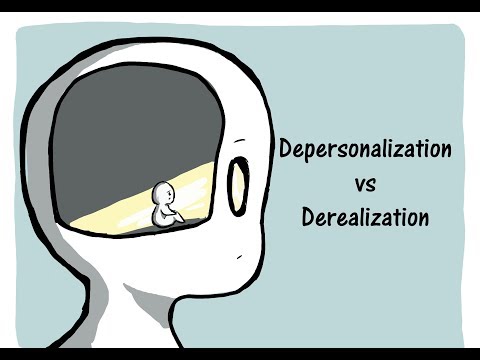
So, let’s talk about derealization. Ever felt like everything around you is, I don’t know, just… not real? Like you’re watching your life through a fogged-up window? It’s weird, right?
Derealization is one of those things that isn’t just in your head. Seriously. It’s actually in the DSM-5, which is like the ultimate guide for mental health pros. You’d think it’d be rare or something, but a lot of folks deal with it.
Imagine this: You’re at a party with friends and everything feels off. The laughter sounds distant, colors seem muted. You might even think you’re dreaming! It can be super unsettling.
Understanding derealization isn’t just about labeling it; it’s about getting what it means for your day-to-day life. Let’s break down how this fits into the bigger picture of mental health and why it matters. Sound good?
Understanding Derealization: The Psychological Insights Behind This Disturbing Experience
Derealization is one of those terms that sounds intense, right? But let’s break it down. Basically, it’s like when your mind plays tricks on you, making the world feel unreal or distant. You know when you’re watching a movie and suddenly realize it’s just a film? That kind of feeling can hit in real life.
In the DSM-5, which is like the big book of mental health disorders, derealization falls under “Depersonalization/Derealization Disorder.” This means that it’s not just a fleeting moment; it’s something that can stick around and really mess with how you perceive reality. The experience might come with feelings of detachment or even anxiety, which only adds to the confusion.
You might be asking yourself why this happens. Well, there are a few psychological insights that could help shed some light on it. Stressful events or trauma can trigger derealization. Imagine you’re in a super intense situation—like an accident or losing someone important—and your brain decides to step back as a way to cope. It’s like your mind’s own defense mechanism against overwhelming emotions.
Here are some key things to keep in mind about derealization:
- Severe anxiety: When anxiety grips you tightly, everything can start to feel surreal.
- Panic attacks: These can act as a wake-up call for derealization episodes.
- Trauma: Past experiences that were too tough to handle may resurface as feelings of unreality.
Let me tell you about someone I knew named Jess. She had been dealing with stress at work and personal stuff piling up all at once. One day while walking home, she suddenly felt like she was floating through her neighborhood; everything seemed muted and less vivid. Flowers looked duller than usual, and people seemed like mere shadows passing by. For her, this was disorienting and scary because it made her question what was actually real.
Many people deal with derealization without knowing what to call it—some may isolate themselves out of fear or confusion over their experiences. It’s crucial to know that you’re not alone if you’ve felt this way!
Now let’s chat about how professionals tackle this issue. Therapy is often the go-to approach here. A therapist might use cognitive behavioral therapy (CBT) techniques aimed at reframing thoughts or lowering anxiety levels—which can help ground someone back into their reality.
So yeah, understanding derealization is important not just for those who experience it but also for friends and family who want to offer support. In essence: if you ever feel detached from reality—like you’re watching your life from behind glass—don’t hesitate to reach out for help! There are ways to navigate through these foggy feelings together.
Understanding DSM-5 Criteria for Derealization: Key Insights and Definitions
Derealization can feel really strange, like everything around you is fake or dreamlike. It’s actually a part of a larger group of conditions in the DSM-5, which stands for the Diagnostic and Statistical Manual of Mental Disorders, Fifth Edition. This guide helps professionals diagnose mental health issues, including derealization.
What Is Derealization?
So, let’s break it down. Derealization is when you’re feeling detached from your surroundings. It’s like watching life through a foggy window. You know things are real, but they don’t feel genuine—a bit like you’re in some sort of movie or video game, right?
DSM-5 Criteria
To really understand derealization in the context of the DSM-5, you gotta look at a few key criteria that need to be met for a proper diagnosis:
- Persistent or recurrent experiences: You often find yourself feeling detached from your environment.
- Reality testing remains intact: Even though things don’t feel real, you know they are real—and that’s huge.
- Causes distress: This feeling isn’t just annoying; it can seriously mess with your day-to-day life.
- No other disorders better explain it: The symptoms shouldn’t be part of another mental issue like schizophrenia or PTSD.
When someone experiences derealization, it’s usually a response to anxiety or overwhelming stress. Imagine being super stressed about work—like deadlines piling up—and suddenly everything around feels artificial. It could leave you feeling isolated or even lonely during an already tough time.
Psychological Implications
Now let’s think about what this all means psychologically. Experiencing derealization can lead to some pretty tough emotional challenges. Feeling disconnected from reality can make it hard for someone to engage fully with life—friends might seem distant and everyday activities can become draining instead of enjoyable.
Some people find themselves stuck in this state for way longer than they want to be, and that can create feelings of fear or panic. And if you’re constantly checking in with yourself—“Am I real? Is this real?”—that can become exhausting!
Treatment Options
For those dealing with derealization, treatment often includes therapy approaches like cognitive-behavioral therapy (CBT), which helps challenge those distorted thoughts and feelings. Medication might also come into play sometimes but isn’t always the go-to approach.
At the end of the day, understanding derealization is about recognizing that it’s more than just feeling weird—it holds serious psychological implications and deserves attention and care. If you or someone close to you faces these feelings regularly, reaching out for support is super important!
Understanding Derealization: Insights into This Common Psychological Experience Today
Derealization is one of those experiences that can feel like a weird movie is playing in your head. You know, when the world around you seems foggy or unreal? It’s more common than you might think! Many people have a moment of derealization at some point, often during stress or anxiety.
In the DSM-5, which is basically a big manual for mental health professionals, derealization falls under “Dissociative Disorders.” This means it’s seen as a way your mind copes with overwhelming stress or trauma. It’s like your brain pressing a pause button when life gets too intense, allowing you to step back and catch your breath. Crazy how our mind works sometimes, huh?
When you’re experiencing derealization, it can feel like you’re watching yourself from the outside. Ever had that moment where everything looks different—like colors are less vibrant or sounds are strangely muted? Yeah, that’s derealization. It can make it hard to connect with others—kind of like being in a bubble while the rest of the world goes on without you.
Some common triggers for this can include:
- Severe stress or anxiety
- Panic attacks
- Trauma exposure
- Lack of sleep
- Substance use, such as drugs or alcohol
So what does this mean for people who experience it? Well, some may find it temporary and won’t think much about it after. However, if it sticks around and starts affecting daily life—that’s where things get trickier. Imagine trying to engage in conversations or focus at work when everything feels dreamlike and unreal. It’s frustrating and can lead to feelings of isolation.
And here’s another thing: while derealization can be tied to anxiety disorders or PTSD (Post-Traumatic Stress Disorder), not everyone who has these conditions will experience it. Basically, **it varies from person to person**.
People dealing with chronic derealization often benefit from therapy—think Cognitive Behavioral Therapy (CBT). This approach helps in processing thoughts and feelings around those experiences. Sometimes medication may be prescribed too but that’s usually more about treating underlying issues than directly addressing derealization itself.
It might feel daunting if you’re having these experiences but just remember: you’re not alone in this! Reaching out for support—and talking about what you’re going through—is super important because connection truly helps ground us again.
So, next time someone mentions feeling “out of touch” with reality, consider they might be describing this tricky experience called derealization. It’s just one example of how complex our mental health can be—and how essential understanding these experiences is for all of us!
Derealization, wow, that’s a heavy word, isn’t it? It’s all about feeling detached from your surroundings. Like, imagine chilling at a coffee shop but suddenly feeling like it’s all a movie set or a dream. The DSM-5 classifies it under dissociative disorders, which can be kinda confusing since it plays with our perception of reality.
So, let’s break this down. You might have experienced that moment when everything feels distant or foggy—you’re there but not really present? It can hit during stressful times or when you’re super tired. I remember once after an intense week at work; I stepped outside and everything seemed way too bright and surreal. It was like the world was on fast-forward while I was stuck in slow motion.
In the DSM-5 experience, derealization isn’t just about zoning out; it often tags along with other issues like anxiety or depression. That’s where things get tricky. If you feel disconnected from life regularly, it can really mess with how you interact with others and even how you feel about yourself. It’s almost like trying to connect with friends through a thick pane of glass – you see them and hear them but can’t quite reach out.
Psychologically speaking, derealization can be your mind’s way of protecting itself from overwhelming stress or trauma. It’s fascinating how our brains try to shield us from too much emotional pain – but flip side: that shield can also cut us off from joy and reality.
If you find yourself in this haze often, talking to someone could help clear the fog—whether it’s a therapist or just someone who gets it. You don’t want to stay in that surreal bubble forever because life has so much richness if we allow ourselves to really live in the moment again! So next time things start feeling off-kilter, take a breath and remind yourself: it’s okay to reach out for support and reconnect with what matters most around you.